Why 'Black Velvet' Turns Elvis Into Myth
The meaning of Black Velvet Alannah Myles comes down to one big idea: the song turns Elvis Presley into a legend made of desire, memory, and Southern music history. Rather than tell a strict biography, it paints him as a feeling—part boy wonder, part sex symbol, part cultural ghost.
"Black Velvet" - Alannah Myles
Jimmy Rodgers on the Victrola up high
Mama's dancin' with baby on her shoulder
Loading lyrics...
Unable to load lyrics
We're unable to display the lyrics at this time. Please try again later.
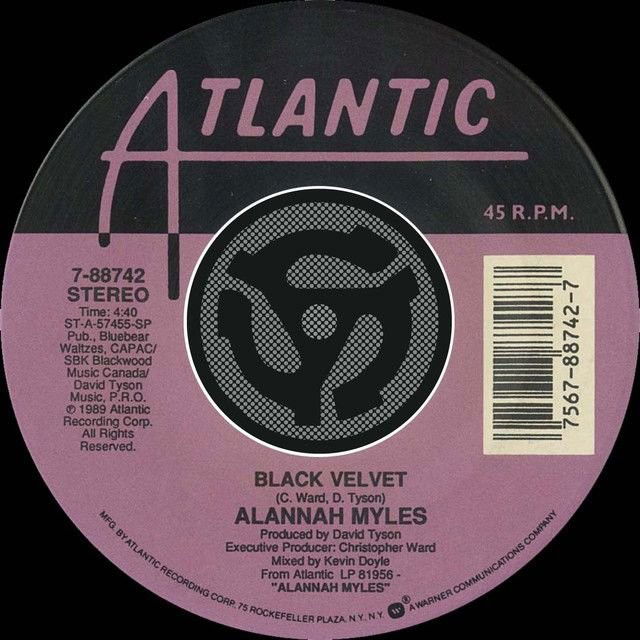
Written by Christopher Ward and David Tyson, then recorded by Alannah Myles, the song was released from Myles’s debut album in 1989 and became her biggest hit, later winning a Grammy for Best Female Rock Vocal Performance. Those facts are widely documented in reference sources on the single and its chart run.[1]
A Southern Portrait, Not a Straight Biography
The lyrics begin by placing the listener in a hot, almost mythic South. Images of old records, family scenes, and sticky sunset light create a world where music is passed down at home before it becomes public fame. Even before the chorus arrives, the song suggests that this performer was shaped by place, sound, and longing.
That is why many listeners hear Elvis in details like Mississippi
and Up in Memphis
. The song never says his name, but it hardly needs to. It uses regional markers, early rock references, and crowd reaction to sketch a recognizable icon.
Interpretation: this indirect approach matters. By avoiding a plain name-check, the song makes Elvis feel larger than one person. He becomes a symbol of American music itself.

Watch the official Black Velvet
music video
How the Chorus Builds the Legend
The chorus is where admiration turns into myth. The phrase little boy's smile
keeps the image youthful and almost innocent, while slow southern style
adds charm, sensuality, and swagger. Then the song goes even further by calling his effect a new religion
.
That line is key to the meaning of Black Velvet Alannah Myles. It suggests fandom so intense that it feels spiritual. Elvis is not presented as just popular; he is treated like someone whose voice and movement change people physically and emotionally.
Interpretation: the chorus captures two versions of him at once:
- the boy from the South
- the star who inspires devotion
- the fantasy figure people project onto
This blend helps explain why the song feels warm and haunted at the same time.
From Local Boy to National Obsession
The second verse shifts from roots to mass appeal. When the song mentions schoolgirls and references Love Me Tender
, it moves into the period when Elvis became a full-blown phenomenon. The lyrics focus less on industry success than on his effect on ordinary people.
That choice is smart. It keeps the song emotional instead of historical. Listeners are not asked to memorize dates; they are asked to feel what it was like when one performer seemed to change the temperature of a room.
The line about the way he moved being sinful but sweet points to the controversy and attraction that defined Elvis’s early image. He could seem dangerous and tender in the same moment. That tension is central to why the song still works.
The Bridge Changes Admiration Into Grief
After all the heat and glamour, the bridge turns sharply toward loss:
Every word of every song that he sang was for you
In a flash he was gone, it happened so soon
This is the article’s only longer lyric quote, and it shows the emotional pivot. The singer’s bond with the audience suddenly becomes a eulogy. The legend is still powerful, but now it is touched by absence.
For many listeners, this is what lifts the song above simple tribute. It recognizes that pop culture does not only create idols; it also mourns them. Elvis is remembered not just for what he did, but for how suddenly that era ended.
Why the Music Feels Smoky and Intimate
The production helps carry all of this meaning. Reference sources describe the song as country rock and blues rock, with a slow 6/8 pulse and a minor-key center.[1] That matters because the groove never rushes. It sways.
David Tyson’s production gives the track a humid, late-night feel. The guitar lines sound bluesy rather than flashy, and Myles sings with a rough, smoky edge that keeps the song from becoming too polished. Critics at the time described it as a blues ballad with heartfelt vocals and inspired guitar work.[1]
Interpretation: the arrangement makes Elvis feel less like a museum figure and more like a physical presence. The sound is soft, dark, and tactile—exactly the qualities suggested by the title image of black velvet.
A Few Symbols That Hold the Song Together
Several motifs deepen the song’s message:
- Southern heat: passion, roots, and bodily pull
- Old records and home images: musical inheritance
- Black velvet: luxury, sensuality, and pop-icon memory
- Religion language: fandom as surrender
- Sudden disappearance: the shock of cultural loss
Some listeners also connect the title to the kitschy black-velvet portraits associated with Elvis memorabilia. That reading is possible, though it is better treated as interpretation than settled fact.
Why It Still Connects
Part of the song’s long life comes from its double meaning. On the surface, it is an Elvis tribute. Under that, it is about what happens when charisma becomes myth. It shows how a performer can feel personal to millions at once.
That is the lasting meaning of Black Velvet Alannah Myles: fame is presented as touch, sound, faith, and memory all mixed together. The song admires Elvis, but it also studies the way America turns stars into legends.
As with any lyric analysis, some meanings remain open to the listener. This interpretation separates documented background from informed reading, and individual listeners may hear the song differently.









