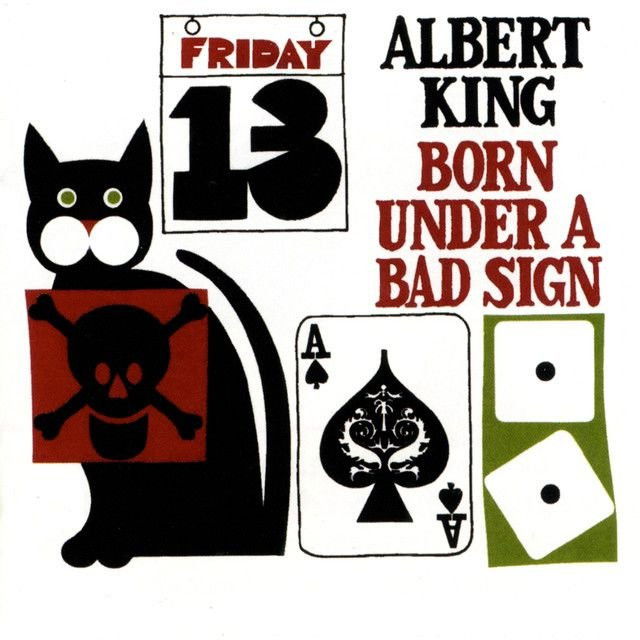
Why Albert King's Love Refuses to Fade
The meaning of As the Years Go Passing by Albert King starts with a simple blues truth: love can survive even after a relationship breaks apart. This is not a song about winning someone back with drama. It is about accepting loss while admitting that devotion does not end on command.
"As the Years Go Passing by" - Albert King
There is nothing I can do, if you leave me, with a cry
Baby my love will follow you, as the years go passing by
Loading lyrics...
Unable to load lyrics
We're unable to display the lyrics at this time. Please try again later.
Albert King recorded the song during his important Stax period, when he cut key sides with Booker T. & the MGs and producer Al Jackson Jr., a run documented by Stax Records and widely covered in biographies of the artist. That setting matters. King was one of the great blues guitarists, known for a huge, bending tone and a voice that could sound both rough and tender at once, as noted by AllMusic. In this song, that mix of strength and softness becomes the message.
A Breakup Song With No Easy Exit
At its core, the song is about emotional loyalty that outlives the relationship itself. The singer says there is nothing I can do
if the other person leaves. That line matters because it rejects control. They are not bargaining hard or making threats. They know love cannot force another person to stay.
But the song does not stop at helplessness. Its central promise is that my love will follow you
. In plain terms, the singer believes feeling can continue long after physical closeness is gone. That idea gives the song its ache. The relationship may end, yet the bond remains active in memory, longing, and identity.
Watch the official As the Years Go Passing by
music video
The Voice Inside the Song
The narrator speaks in first person, but the emotional shape is easy for listeners to recognize. They sound hurt, proud, and resigned all at once. Instead of begging, they take stock of what they gave and what they could not provide.
One of the most revealing ideas comes when the singer says they gave all but a home
. That phrase suggests a limit in what they could offer. It may mean money, stability, marriage, or a settled life. In blues writing, home often stands for more than a house. It can mean safety, permanence, and a future.
Interpretation: this line makes the song more than a standard farewell. The pain is not just that love failed. It is that love may have been real, but real love was still not enough to solve practical needs.
Three Emotional Turns in the Lyric
The song moves in a clear pattern:
- First, the singer accepts that the partner may leave.
- Next, they defend the love they gave, even while admitting one major lack.
- Finally, they say goodbye, but their feelings remain.
That last turn is the most powerful. The farewell sounds calm, yet it is emotionally unfinished:
so long, baby good bye
as the years go passing by
The point is not just that time passes. It is that time fails to erase attachment. In many breakup songs, time heals. Here, time only proves endurance.
Why the Refrain Hits So Hard
The repeated title phrase works like a verdict. Each verse changes the situation a little, but the refrain keeps returning to the same truth: feeling lasts. Because the words are so plain, Albert King has to carry the weight through tone and timing.
That is where the blues form becomes crucial. Repetition in blues is not lazy writing. It is a way of pressing deeper into a wound. Each return to years go passing by
sounds less like a slogan and more like lived experience. The line widens the song’s scale. This is no longer about one bad night. It is about a whole life marked by one love.
How Albert King's Sound Deepens the Meaning
King’s performance gives the lyric its staying power. His singing does not race ahead. It lingers, almost as if every word costs something to say. That slow pacing mirrors the song’s emotional condition: the singer is stuck between letting go and holding on.
His guitar does the rest. Albert King was famous for his deep bends, sharp sustain, and dramatic phrasing. On a song like this, those notes can sound like a human voice trying to continue after words run out. The spaces between phrases matter too. Silence becomes part of the sorrow.
The Stax style also helps. Even when the arrangements around King were cleaner and more modern than older Delta blues recordings, they stayed spare enough to keep the feeling exposed. Nothing distracts from the central ache.
Artist Context Makes the Song Bigger
This song lands harder when heard in the context of Albert King’s career. He was not just any blues singer. He was one of the “Three Kings of the Blues,” and his influence reached guitarists from Eric Clapton to Stevie Ray Vaughan. Yet influence alone does not explain why this recording lasts.
What lasts is King’s ability to sound emotionally enormous without oversinging. He brings the authority of someone who has seen disappointment before. That gives the lyric credibility. When he promises that love will remain over the years, listeners believe him because he sounds like a man speaking from experience, not fantasy.
Interpretation: the song can also be heard as a statement about blues itself. Love, pain, memory, and time keep returning. The singer cannot stop that cycle, but they can name it honestly.
What the Song Ultimately Says
The meaning of As the Years Go Passing by Albert King is that some loves do not end neatly. A person can accept goodbye, admit their own limits, and still carry deep attachment for years. That mix of surrender and persistence is what makes the song feel mature.
It is not a revenge song, and it is not a hopeful reunion song either. It lives in the harder middle space: love remains, even when life moves on. That is why the song still hurts, and why it still resonates.
Disclaimer: This interpretation blends lyrical analysis with historical context. As with many blues songs, meaning can remain open to personal listening.







