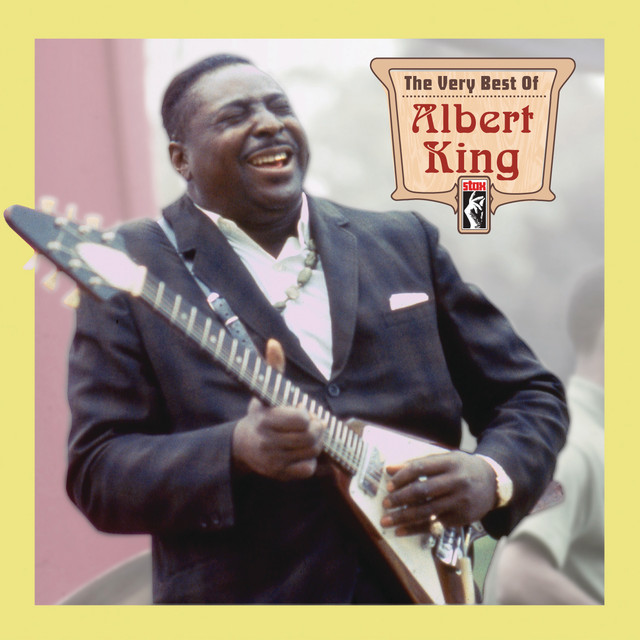
Crosscut Saw by Albert King
The meaning of Crosscut Saw Albert King starts with a joke that is not really a joke. On the surface, the song talks about tools, chopping wood, and a worker proud of his skill. Underneath, it uses old blues double meaning to turn that work language into flirtation, swagger, and sexual boasting.
"Crosscut Saw" - Albert King
Just drag me 'cross your log
You know, I'm a cross cut saw
Loading lyrics...
Unable to load lyrics
We're unable to display the lyrics at this time. Please try again later.
Albert King did not write the song, but they helped make it famous. The tune began as Tommy McClennan’s 1941 “Cross Cut Saw Blues,” a Delta blues number built on playful innuendo. When King recorded it at Stax in 1966 with Booker T. & the MG’s, they gave it a sharper groove and a bigger stage, helping turn it into a standard of modern blues, as noted by the Blues Hall of Fame.
The Joke at the Center of the Song
At the heart of the song is a clear double entendre. The singer calls himself a cross cut saw
and asks to be dragged across your log
. Even without spelling it out, the meaning is obvious: the song uses work tools as stand-ins for sex, masculinity, and physical confidence.
That is why the verses sound so playful instead of romantic. The singer is not confessing deep feelings. They are performing confidence. When he says he can cut wood easily and make someone shout Hot dog!
, the point is comic exaggeration. In blues tradition, bragging like this is part of the fun.
Watch the official Crosscut Saw
music video
Where the Song Came From Before Albert King
This is where context matters. McClennan recorded the song in Chicago in 1941, and blues historians have long noted that songs like this often moved through live performance before anyone cut a record. Repertoire sharing was common in Delta blues, and the song’s history is a little tangled.
Factual note: McClennan is widely tied to the original recorded version, and later rights credits became messy. Some later releases listed different names, even though the song’s roots go back earlier than Albert King’s version.
Interpretation: That long history helps explain why the lyric feels so worn-in and natural. It sounds less like a carefully plotted composition and more like a piece of living blues language passed from player to player.
Albert King Turned a Hokum Song Into a Groove Machine
King’s 1966 recording is the version most listeners know, and the arrangement changes the feel of the lyric. According to research summarized on the song’s Wikipedia entry, the session was recorded at Stax with Booker T. & the MG’s, and drummer Al Jackson Jr. was credited with bringing in the Latin or Afro-Cuban pulse.
That rhythm matters. Instead of sounding dusty or strictly rural, the song moves with a clipped, danceable beat. The groove gives the joke more bounce. It also keeps the performance from becoming too crude. The rhythm feels teasing, precise, and stylish.
Why the guitar says as much as the words
King also replaced some of the old verses with guitar passages. That choice is important because it means the song’s meaning is carried by sound as much as by text.
His guitar does not simply decorate the vocal. It answers it. The bends, sharp attacks, and stinging tone all extend the singer’s swagger. The performance says: this person is experienced, self-assured, and fully in control of the room.
I’ve got a double-bladed axe
That really cuts good
Those lines are among the boldest examples of the song’s innuendo, but on King’s version, the guitar almost finishes the joke for him.
What the Lyrics Reveal About the Narrator
The narrator speaks in first person, but the effect is theatrical. He introduces himself through nicknames like wood-choppin' Sam
, building a larger-than-life identity. This is not a vulnerable speaker. This is a blues character selling charm, humor, and sexual confidence.
There is also a small story inside the bragging. One verse says the last woman he pleased wants him back again. That line matters because it adds social proof to the boast. He is not just claiming skill; he says past experience confirms it.
Interpretation: The song is less about one relationship than about performance itself. The singer wants admiration, laughter, and attention. Desire becomes a stage act.
Why the Song Still Works
Part of the reason the song lasted is that it balances three things well:
- obvious innuendo
- a funny, loose vocal stance
- a tight, memorable groove
If the lyric were too subtle, the joke would disappear. If it were too blunt, it might feel flat. If the band were too heavy, the humor might get lost. King’s version lands in the sweet spot.
It also arrived at the right moment. Released as a single in November 1966, it reached No. 34 on Billboard’s R&B chart, and it later appeared on Born Under a Bad Sign, one of the most influential blues albums of the late 1960s. That gave the song reach beyond traditional blues audiences and helped make it a blues-rock staple.
The Best Way to Read “Crosscut Saw”
So, what is the meaning of Crosscut Saw Albert King? Most simply, it is a comic blues boast built on sexual metaphor. The tools, wood, and cutting images are not meant to be taken literally. They create a playful code for desire, skill, and male bravado.
At the same time, Albert King’s version adds something bigger. Through Stax rhythm and his unmistakable guitar voice, they transform old hokum material into something sleek, modern, and powerful. The song becomes not just a dirty joke, but a statement of blues style.
That is why it still stands up. Listeners hear the wink in the lyric, but they also hear an artist owning the room.
Disclaimer: This interpretation separates documented history from informed reading. Because blues songs often rely on performance, tone, and tradition, meaning can vary from listener to listener.








