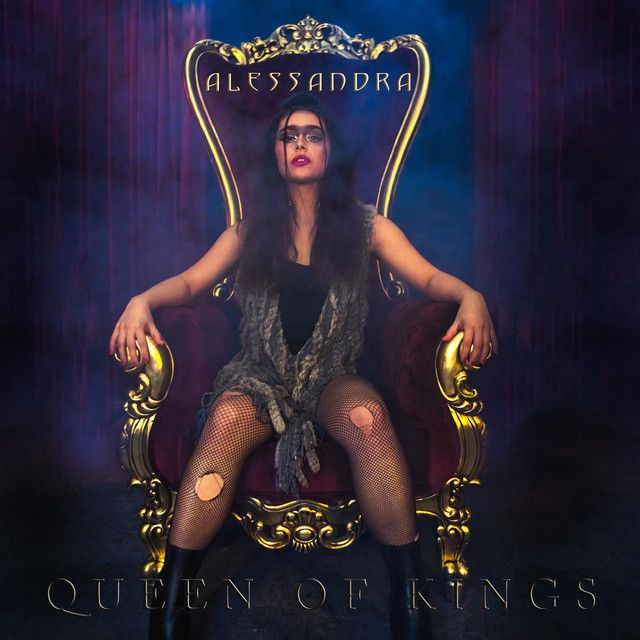
The Meaning of Queen of Kings Alessandra, Unpacked
Why does this two-and-a-half-minute storm of drums and chants feel so victorious? The meaning of Queen of Kings Alessandra centers on radical self-belief: a mythic heroine breaks free, claims her power, and invites everyone listening to do the same.
"Queen of Kings" - Alessandra
Running so fast, beating the wind
Nothing in this world could stop the spread of her wings
Loading lyrics...
Unable to load lyrics
We're unable to display the lyrics at this time. Please try again later.
A Crown Forged by Struggle: What Drives the Song
At its heart, the song is about rising after hardship. Alessandra has described the character as a woman shaped by challenges who grows because of them. The title flips expectations—being a queen of the kings
suggests not just equality with power, but leadership above it.
Interpretation: The “queen” is an archetype for anyone who has been underestimated. She’s not defined by pain; she uses it. When the chorus declares forward motion—running so fast
—the message is clear: momentum is victory.
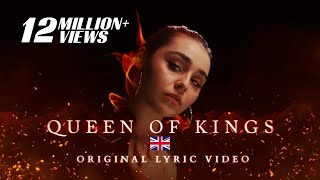
Watch the official Queen of Kings
music video
Who’s Speaking, and What “She” Represents
The song is told in third person, which lets the “she” become a mirror for the listener. Lines like warrior of the North and Southern seas
spread her reach across the whole map. The world is her arena, not a fence.
Interpretation: The heroine is Alessandra’s alter-ego—bigger-than-life, but rooted in real experience. The third-person distance makes it easier for fans to see themselves in the story, turning the track into a communal pep talk.
How the Story Unfolds in Three Beats
- The heroine feels caged by expectations.
- She breaks free and sets her own rules.
- She steps into leadership, inviting others to claim themselves.
The turning point is freedom: she’s break the chain
, then asks who will conquer all?
—a challenge to anyone listening. The chorus sums up the pivot from restraint to rulership:
She, queen of the kings Broken her cage, threw out the keys
That tiny scene—escape followed by self-coronation—powers the entire song.
Nordic Myth, Sea Imagery, and the Northern Glow
The verses paint a vivid portrait: raven hair
, icy eyes, and a smile bright enough to spark “Northern light.” References to oceans and distant coasts broaden the setting into folklore territory, tapping Norway’s cultural backdrop. Even the “lai-lai” chant feels like a call across fjords—part battle cry, part communal singalong.
Interpretation: The visuals communicate resilience. The cold landscape and deep waters symbolically test the heroine; she thrives anyway. By stretching her realm from north to south, the lyric turns personal confidence into a global compass.
Sound and Staging: Why It Feels Like a Battle Charge
Musically, “Queen of Kings” is high-tempo Euro-pop with a martial stomp and chant-ready hook. The four-on-the-floor drive, stacked vocals, and bold chorus make it feel like a rally in motion. Critics highlighted its grand, almost theatrical sweep and sea-shanty pulse, which amplify the mythic stakes.
Onstage, Alessandra leaned into the queen-warrior look and tight choreography. The effect was kinetic but controlled—voice out front, beat pounding underneath. Whistle-high moments and crowd-locked chants push the message physically: stand tall, sing loud, move forward.
Alternate Readings: From Personal to Universal
- Interpretation: A queer-empowerment statement. The queen claims space in a world that might prefer silence; the song answers with volume.
- Interpretation: A broader self-worth anthem. Anyone who’s felt boxed in can relate to the moment the keys get thrown away.
Gaming metaphors like “wildest card” and images of a “firestone” suggest risk, heat, and change. The message isn’t about perfection—it’s about motion and choice.
Takeaway: Claim the Throne Only You Can Wear
Here’s the simple truth of the meaning of Queen of Kings Alessandra: you don’t wait for permission. You name your power, then live it out loud. The song’s rush—beat, chant, and bold imagery—turns that idea into a bodily feeling.
Disclaimer: This interpretation combines lyrical analysis with publicly available context about the artist and performances. Listeners may find additional meanings based on their own experiences.








