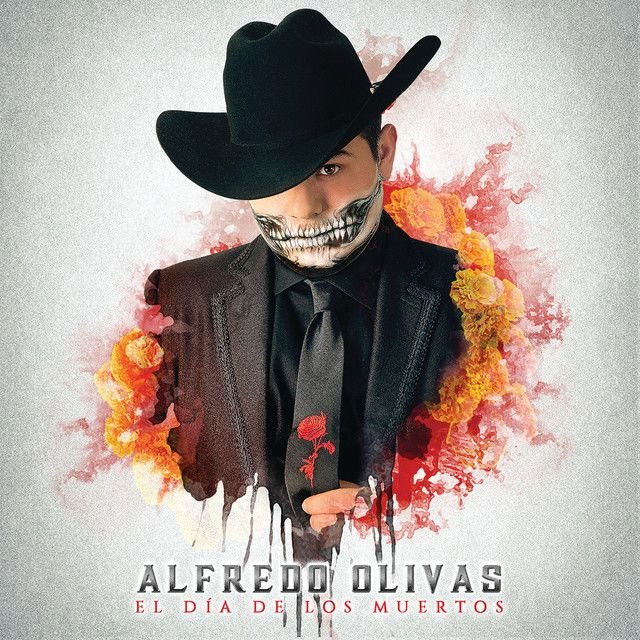
El Vals Del Olvido by Alfredo Olivas
A goodbye that dances. In El Vals del Olvido, Alfredo Olivas turns a painful split into a ritual of closure, using a waltz feel to mix dignity with hurt. For readers looking for the meaning of El Vals Del Olvido Alfredo Olivas, this breakdown follows the voice, symbols, and sound that make the song sting—and soothe.
"El Vals Del Olvido" - Alfredo Olivas
Porque pa que me consigas
Ay qué difícil va a estar
Loading lyrics...
Unable to load lyrics
We're unable to display the lyrics at this time. Please try again later.
A Waltz That Ends a Love Story
The core message is self-respect at the breaking point. From the first command—Llórame
—they flip the usual pleading script. The narrator isn’t begging for another chance; they’re setting boundaries and predicting the fallout for the person who took them for granted.
They even mock the idea of returning, saying it would prove sufro analfabetismo
. Interpretation: coming back would mean they “can’t read” the lesson in front of them. That sharp metaphor turns hurt into clarity. They won’t ignore the signs again.
Watch the official El Vals Del Olvido
music video
Who Holds the Mic, and Why So Firm?
This is a first-person address to a former partner. The tone is blunt, even scolding—Hoy comienza tu fracaso
—but it’s not empty rage. The speaker is protecting their own dignity.
Lines like Ya es tarde pa' valorarme
show the pivot from hope to closure. Interpretation: the window to make things right is gone. The firmness sounds like anger at first, but the song ultimately channels that feeling into a controlled farewell.
The Mini-Plot in Five Beats
- They announce the breakup and predict the other’s regret.
- They refuse to forgive, for the sake of self-respect.
- They warn that memory will hurt more over time.
- They block romantic bargaining—
Piénsame hasta que te canses
—because longing won’t change the outcome. - They urge a clean exit with
Es mejor que te devuelvas
, then offer a final, ceremonial dance.
The Hook’s Sting: Tears, Prayers, and Pride
Throughout, the narrator dares the ex to cry and even to pray for a miracle. Interpretation: they know apologies and appeals to fate won’t fix what’s broken. The joke about “devotion” if the miracle happens underlines their point: returning would be a willful mistake.
That blend of sharp humor and pain keeps the track grounded. It’s not just revenge; it’s a clear-eyed assessment of patterns that have to end.
Symbols That Spin With the Tempo
- Tears and prayer: emotional cost meets superstition, hinting the split feels fated.
- The miracle: a bar for reconciliation set so high it’s impossible.
- Illiteracy: a clever stand-in for ignoring lessons.
- The toast: a bitter-sweet nod to moving on.
- The waltz: a formal goodbye—a dance that teaches the body to let go.
The final turn puts it all in motion:
Pero todavía no llores
¿Qué no ves que no me he ido?
Bailemos el Vals del Olvido
Interpretation: before the pain hits, they’ll share one last dance to mark the end. The ceremony matters. Naming the dance “of forgetting” makes closure feel intentional, not accidental.
How the Sound Carries the Message
Olivas leans on a 3/4 pulse that sways like a slow floor waltz. Accordion and guitar sketch a lilting pattern while the bass marks the downbeat. The arrangement leaves space for his voice, which moves from flinty to almost tender in the last refrain.
That contrast mirrors the story: the verses stand their ground, but the closing dance softens the exit without undoing the boundary. Even the dynamic swells feel like a step forward, step back—then a final release.
Why It Resonates With Regional Mexican Fans
The song balances pride and vulnerability. It shows strength without posturing and sadness without begging. Many listeners know that mix—anger at the moment, gratitude later for having chosen self-respect. The waltz format makes that choice feel adult, even elegant.
Alternate Readings Worth Considering
- Interpretation: The waltz isn’t forgiveness; it’s anesthesia. The last dance buys time so anger doesn’t explode, making the separation cleaner.
- Interpretation: The speaker might be unreliable. Phrases like
Hoy comienza tu fracaso
can read as spiteful, hinting at control. The “dance” could also be a theatrical power move.
Takeaway You Can Feel
At heart, El Vals del Olvido says: endings can be graceful and firm at once. The narrator claims their worth, names the loss, and steps into the future—without looking back.
Disclaimer: Song interpretations are subjective. This reading offers one informed perspective and may differ from the artist’s intent or your own experience.







