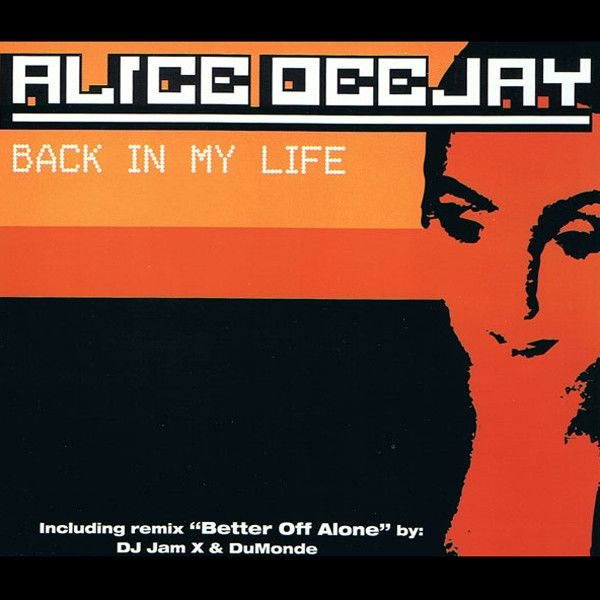
Why “Better Off Alone” Still Hits Hard
The meaning of Better Off Alone Alice DeeJay starts with a question that never gets a clear answer. That is why the song lasts. Instead of telling a full breakup story, it circles one painful thought: after a relationship breaks, is either person really happier alone?
"Better Off Alone" - Alice DeeJay
Do you think you're better off alone?
Do you think you're better off alone?
Loading lyrics...
Unable to load lyrics
We're unable to display the lyrics at this time. Please try again later.
Released by Alice Deejay in late 1998 and later included on Who Needs Guitars Anyway?, the track became a major international hit and one of late-1990s dance music’s signature records. It reached No. 27 on the US Billboard Hot 100 and No. 2 in the UK, while later earning praise from Billboard as one of the best dance songs ever made. Those chart facts help explain its staying power, but the emotional hook explains even more.
A Breakup Song Built on One Unanswered Question
At the center of the song is the repeated line better off alone
. The phrase sounds simple, but it carries two feelings at once. On one level, it is a challenge aimed at an ex. On another, it sounds like self-protection, as if the singer is trying to convince themselves that distance might hurt less than staying attached.
Interpretation: The song is less about confidence than confusion. The repeated question does not sound fully resolved. It sounds like someone replaying the same thought because they still do not know the answer.
That idea fits the track’s origin. According to an archived interview cited by reference sources, co-writer Sebastiaan Molijn said the key line came to him while he was upset after a breakup, and he began humming the melody over what had first been an instrumental track. That backstory matters because it makes the song’s emotion feel less like a marketing concept and more like a real wound turned into a hook.

Watch the official Better Off Alone
music video
The Few Words Matter More Than They Seem
One reason people still debate the song is that it gives them very little text to work with. Beyond the title question, the other main plea is talk to me
. That small phrase changes everything.
If the song only asked whether someone was better off apart, it could sound cold or sarcastic. But talk to me
adds need. It suggests silence after conflict, the empty space after a breakup, or the desperate wish for one honest conversation.
Do you think you're better off alone?Talk to me
That tiny lyrical pattern creates the whole emotional shape of the song: accusation followed by longing. The speaker pushes the other person away, then asks them to come closer. Many listeners recognize that emotional contradiction because it is common after a relationship ends.
Who Is Speaking, and to Whom?
The song uses direct address, so the voice is aimed at another person, a former partner or someone pulling away. Even though the lyrics are brief, they create a tense exchange. The speaker is not narrating events from a distance. They are confronting someone in real time.
Interpretation: The repeated do you think
sounds almost rhetorical. They may not be asking for information. They may be asking the question they wish the other person would answer honestly.
That second-person framing is part of why the song feels universal. Listeners can step into either side of the exchange. They can be the hurt person asking for clarity, or the distant person being challenged.
The Sound Turns Heartache Into Motion
A big part of the meaning of Better Off Alone Alice DeeJay comes from the production. The song began as an instrumental by DJ Jurgen, Sebastiaan Molijn, and Eelke Kalberg before vocals were added. It is usually described as Eurodance or vocal trance, and that blend matters.
The tempo moves fast, around 137 BPM, and the synth melody is bright, clean, and instantly memorable. But the harmony sits in a minor key, which gives the song its ache. That mix of speed and sadness is the secret: the body hears release, while the heart hears loss.
Critics have often noticed that tension. Some early reviews called the lyrics minimal, but later writers praised the song’s emotional pull and its lasting influence on dance-pop. In retrospect, its sparseness looks like a strength. It leaves room for the synth lead, the pulse, and Judith Pronk’s cool vocal delivery to do the emotional work.
Why the chorus feels bigger than the words
The song’s hook does not need many lines because the production expands it. Each repetition hits like another wave of doubt. The melody is catchy enough for a club, but emotionally unresolved enough to follow people home.
That is why the song can sound triumphant and lonely at the same time.
More Than a Club Anthem
It is easy to call the track a nostalgic late-1990s dance hit, and that is true. But its afterlife shows it is more than that. The melody has been sampled, covered, and revived across genres for years, from rap to pop to EDM. That kind of reuse usually happens when a song carries a feeling bigger than its era.
Interpretation: The track lasts because it captures a modern kind of loneliness. It does not give closure. It gives a loop: question, silence, plea, repeat. That emotional loop feels very real.
For many listeners in the United States, the song also stands as a gateway to a time when Eurodance could be glossy, emotional, and strangely intimate. It proves a dance record does not need dense writing to say something sharp.
The Lasting Meaning Behind the Hook
So, what is “Better Off Alone” about? At its core, it is about breakup doubt, emotional distance, and the human need for an answer that may never come. The speaker asks whether separation is truly freedom, but the song’s mood suggests they already know loneliness is no easy victory.
That is the genius of Alice Deejay’s hit. It turns a few repeated words into a full emotional world: pride, hurt, longing, and silence, all carried by a beat built for movement.
Disclaimer: This interpretation focuses on the song’s lyrics, production, and documented background. As with any pop song, meaning can vary from listener to listener.








