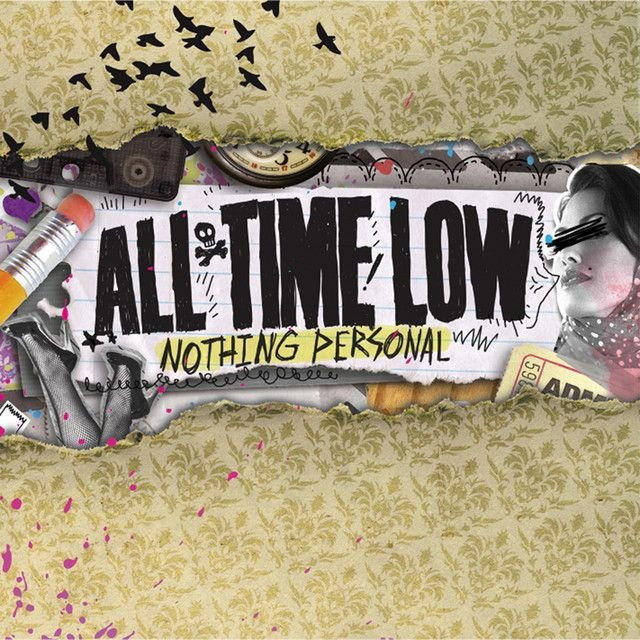
Why 'Break Your Little Heart' Hits So Hard
The meaning of Break Your Little Heart All Time Low comes down to one sharp feeling: emotional payback. The song turns a messy breakup into a loud, sarcastic promise that the person who caused the pain will get hurt back. Instead of sounding crushed, they sound energized, bitter, and almost amused by the reversal.
"Break Your Little Heart" - All Time Low
You were fake, I was great, nothing personal
I'm walking, who's laughing now?
Loading lyrics...
Unable to load lyrics
We're unable to display the lyrics at this time. Please try again later.
Released on All Time Low's Nothing Personal era, the track fits the band's late-2000s mix of pop-punk hooks, slick production, and dramatic relationship writing. It is not a tender breakup song. It is a performance of confidence after humiliation.
The Core Message Beneath the Insults
At its center, the song is about trying to regain control after feeling fooled. The opening sets that up fast. When they frame the other person as fake and themselves as the one who now sees clearly, the song builds a story of wounded pride.
That is why lines like who's laughing now?
matter so much. They are less about romance than status. The narrator wants the final word. They want the balance of power to flip.
Interpretation: The song may sound cruel on purpose because it captures the kind of exaggerated thoughts people have right after betrayal. It does not necessarily read like a calm plan. It reads like emotional theater.
Watch the official Break Your Little Heart
music video
Verse by Verse: How the Story Moves
The verses describe a person they see as shallow, performative, and not worth chasing. Phrases like party queen
and pretty face
reduce the ex to image and surface. In other words, the narrator now treats that person the way they feel they were treated: as disposable.
That makes the song's insults part of the theme. They are trying to strip away glamour. If the ex once had power through charm, attention, or drama, the narrator answers by mocking all of it.
The Emotional Timeline
- They wake up to the truth and call the relationship predictable.
- They decide the chase was not worth it.
- They imagine the ex falling hard.
- They present moving on as victory.
That sequence explains why the song feels so direct. It does not stay in confusion for long. It rushes toward revenge.
Why the Chorus Sounds So Extreme
The chorus is the song's big hook, and it uses cartoonishly harsh images to make heartbreak feel physical. When they sing break your little heart
and mention the hospital
, they are not describing literal violence. They are turning emotional pain into over-the-top pop-punk imagery.
There's nothing surgery can do
When I break your little heart in two
Paraphrased, the idea is simple: some damage cannot be fixed from the outside. The song uses medical language to say heartbreak cuts deeper than appearance.
Interpretation: The exaggeration is key to the meaning of Break Your Little Heart All Time Low. It shows how anger can make a breakup feel dramatic, almost like a scene in a teen movie, where every emotion is turned up to maximum volume.
Pop-Punk Sound as Meaning
This song would not mean the same thing as a ballad. Its fast pace, punchy drums, crunchy guitars, and bright melody create tension between tone and message. The music sounds fun while the words sound mean. That contrast is classic All Time Low.
Their album credits show a polished mainstream pop-punk approach, and that matters here. The production keeps the track catchy rather than dark. Even when the narrator sounds bitter, the band packages that bitterness inside a huge singalong chorus.
This creates an important effect: listeners may hear the song less as pure malice and more as post-breakup swagger. The melody softens the blow. The beat turns resentment into release.
Artist Context Helps Explain It
All Time Low built much of their early appeal on witty, dramatic songs about youth, romance, and social damage. On Nothing Personal, they leaned harder into bigger pop structures without dropping the sarcasm. "Break Your Little Heart" sits right in that lane.
Factually, the song was written by Alex Gaskarth, Jack Barakat, Rian Dawson, Zack Merrick, and Matt Squire. That mix helps explain the song's balance of band personality and radio-ready structure. Squire's style often favored sharp hooks and clean impact, which suits a song built on one central threat repeated for emphasis.
Two Strong Ways to Read the Song
Reading One: A Revenge Fantasy
The most direct reading is that they are fantasizing about hurting someone who embarrassed them. The song treats emotional revenge as justice. In that version, the speaker is still deeply hurt, even while pretending to be above it.
Reading Two: A Mask for Insecurity
A second reading is more revealing. The louder the threats become, the less stable the narrator seems. Repeating the promise to hurt the ex may signal that they are trying to convince themselves they have moved on.
That makes the boast left behind
slightly shaky. If they were truly done, they would not need to keep announcing it.
Why the Song Connected
Part of the song's appeal is its honesty about ugly feelings. Many breakup songs focus on sadness or longing. This one focuses on ego, embarrassment, and the wish to win. That is not noble, but it is recognizable.
For young listeners especially, the song captured a very specific emotional mode: acting fearless after rejection. Its humor, speed, and sharp phrasing made that feeling easy to shout along with.
Final Take on the Meaning
The meaning of Break Your Little Heart All Time Low is not subtle. It is about reclaiming power through sarcasm, insult, and fantasy after a relationship goes bad. The song turns heartbreak into a loud performance of confidence, even if that confidence may be partly fake.
In the end, that tension is what gives the track its staying power. It is catchy and funny on the surface, but underneath it is still a song about hurt pride.
Disclaimer: This interpretation is based on the lyrics, known credits, and musical context. As with most songs, different listeners may hear different shades of meaning.









