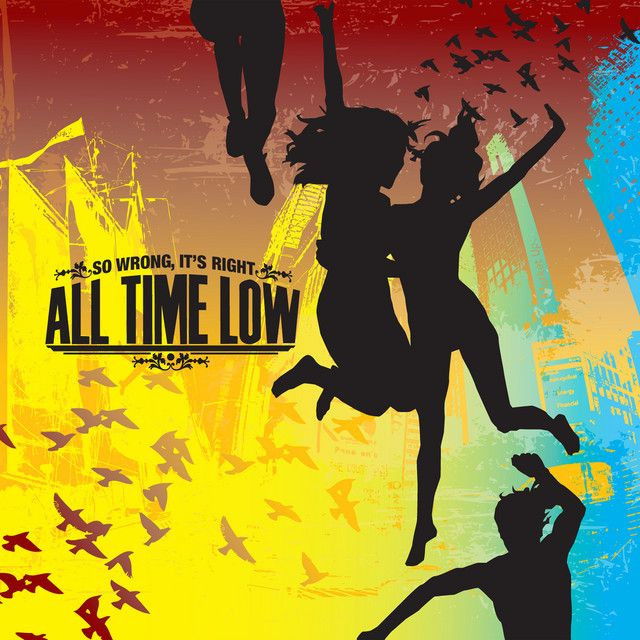
Dear Maria, Count Me In by All Time Low
They’ve shouted it at arenas and TikTok alike, but what is the deeper meaning of Dear Maria, Count Me In All Time Low? Beneath the rush of pop-punk guitars sits a story about ambition, image, and who gets to tell the tale.
"Dear Maria, Count Me In" - All Time Low
Dear Maria, count me in
There's a story at the bottom of this bottle
Loading lyrics...
Unable to load lyrics
We're unable to display the lyrics at this time. Please try again later.
A Fame-Crush Wrapped in Pop-Punk Adrenaline
At heart, the song tracks a narrator who is captivated by a woman named Maria as she turns nightlife into her stage. They open with I got your picture
and the pledge Dear Maria, count me in
, signaling devotion and a desire to be part of her orbit.
According to the band, the premise came from a real hometown Maria, and it’s about doing what you must to get by while chasing the life you want. That real-world spark grounds the song’s glitter: it’s both a celebration of hustle and a look at how scenes create their own myths.

Watch the official Dear Maria, Count Me In
music video
Who’s Talking, and Why Maria Leads the Scene
The narrator is an onlooker-turned-promoter, hyping how Maria can take the stage by storm
. They also call themselves the “narrator,” placing them as both witness and editor. This double role matters. It shows admiration for Maria’s control of the room, but it also hints at someone eager to package her story.
Interpretation: The tension between cheering her on and owning the narrative is the song’s engine. The narrator’s voice slides from crush to pitchman in seconds, and that slippage is the point.
The Chorus as a Contract
The hook reads like a verbal contract: Dear Maria, count me in
. The line story at the bottom of this bottle
suggests the tale they’re telling is soaked in nightlife ritual. It’s not just romance; it’s marketing—a shared fantasy built after last call.
Interpretation: The chorus says, “I want in—on you, your moment, and the story that sells it.” It’s tender and transactional at once, which is why it sticks.
Symbols You Might Miss
- Picture: A keepsake and a claim. It implies fandom, but also ownership of an image.
- Bottle: Escapism and myth-making—the way a night out turns into legend.
Selling you out
: The narrator admits they might trade intimacy for hype. The honesty keeps the song from being a simple cheer.Name in lights
: The classic dream of fame, scaled to a local “home team.” It’s ambition with a zip-code.- American Dream: The lyric nod frames Maria’s path as both aspirational and marketable.
How the Sound Sells the Story
All Time Low deliver the narrative with a sprint: bright, palm-muted guitars, crisp drum fills, and gang-vocal “whoa”s that feel built for a packed club. Producers Matt Squire and Paul Leavitt make everything punchy and clean—radio-ready without sanding off the skate-park edge. That contrast mirrors the theme: raw desire, neatly packaged.
The arrangement keeps the spotlight on the chorus, where the melody climbs and Alex Gaskarth leans into a smile-you-can-hear delivery. It’s power-pop craft serving a story about power and pop.
From Scene Staple to TikTok Revival
Released in 2008 as the lead single from So Wrong, It’s Right, the track grew from Warped-era anthem to long-tail hit. It charted in the U.S. and U.K., earned multi-Platinum certification, and later surged again as fans used it to soundtrack the “emo never died” meme on TikTok. The music video, set in a strip club with the band’s chaotic alter egos, underlines the song’s theme: spectacle, performance, and the messy line between audience and act.
These milestones matter for understanding the meaning of Dear Maria, Count Me In All Time Low. The culture kept adopting it because the hook isn’t only nostalgic—it frames nightlife as a rite of passage and a business plan.
Other Ways to Hear It
Interpretation 1: A straight celebration of agency. Maria runs the room, and the narrator cheers her strategy. In this light, lines about cash flow and never settling sound like practical ambition, not cynicism.
Interpretation 2: A critique of commodification. The narrator admits to selling you out
and wanting to call her name “from the crowd,” suggesting they feed off her success. The song winks at the machinery of hype while delivering a perfect dose of it.
Take a breath, don't it sound so easy? Never had a doubt, now I'm going crazy
Placed together, those lines read like stage advice and confession. The show looks effortless, but the churn behind it can twist anyone up.
Takeaway: The Story Behind the Shout-Along
Dear Maria endures because it captures the rush of seeing someone seize their moment—and the messy desire to be part of it. It’s a kiss-off to smallness and a nod to how scenes make stars.
Interpretation disclaimer: Lyrics invite multiple readings. This analysis reflects one informed view; listeners’ experiences may reveal other meanings.









