Why 'Melancholy Kaleidoscope' Hits So Hard
The meaning of Melancholy Kaleidoscope All Time Low centers on emotional masking. They build a bright, fast pop-rock song around a darker idea: feeling low in a world that would rather hear something fun. That tension gives the track its sting. It is catchy on the surface, but underneath, it is about burnout, pressure, and the exhausting act of keeping the show going.
"Melancholy Kaleidoscope" - All Time Low
So I just grit my teeth and sing along
There's a choir of the coldest hearts echoing the halls
Loading lyrics...
Unable to load lyrics
We're unable to display the lyrics at this time. Please try again later.
A Sad Song Hidden Inside a Fast One
From the start, the narrator admits that sadness is unwelcome. When they mention sad song
, the point is not just musical taste. It suggests a bigger social rule: people often prefer easy energy over honest pain.
So the response is to push forward anyway. Phrases like grit my teeth
and sing along
show forced motion rather than real relief. They are still performing, but the performance sounds like survival.
This is where the song becomes relatable. It captures the common feeling of acting okay because slowing down would make the pain too visible.

Watch the official Melancholy Kaleidoscope
music video
The Title Image Turns Mood Into Motion
The title is one of the song’s smartest ideas. A kaleidoscope keeps rearranging the same pieces into new patterns. In Interpretation, that makes “melancholy” feel unstable rather than still. Sadness is not one clean emotion here. It shifts, flashes, and colors everything.
When the chorus urges that kaleidoscope to shake things up
, the narrator sounds like they are arguing with their own mind. They want a new angle, a reset, or at least a break from the same emotional loop.
That reading also helps explain the song’s central contradiction. The music moves quickly, but the inner state stays stuck. The body is active while the mind keeps turning through the same fragments.
Verses About Performance, Pressure, and Escape
The verses frame life as a stage. There are halls, a choir, and a curtain call
. Those details make the song feel theatrical, but they also suggest public pressure. The narrator is not just privately sad; they are sad in a space where they are expected to deliver.
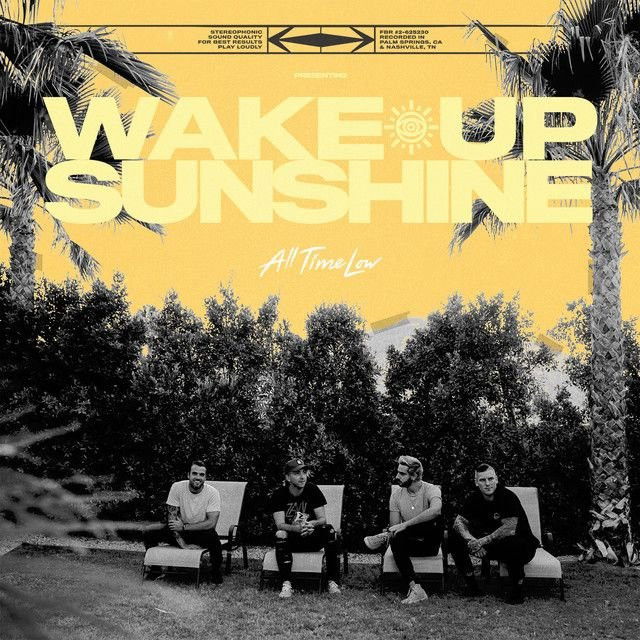
That image fits All Time Low’s long relationship with glossy, anthemic pop-punk. On 2020 album Wake Up, Sunshine, the band balanced bright hooks with more reflective writing, a shift noted in coverage around the record’s release. The album was released in April 2020, and the band members discussed wanting a wide emotional range during that era. See sources such as Fueled By Ramen and AllMusic.
The line about wanting another fast song
matters because it frames speed as a coping mechanism. They do not ask for truth first. They ask for noise, momentum, and distraction from bad thoughts
. The song understands how upbeat music can help, but it also shows the limit of that fix.
What the Chorus Really Means
The chorus is both pep talk and self-critique. Its key thought is simple: no one can claim full effort while running on fumes. When the song says someone cannot be at 100 if they are only at 95, it sounds obvious, but that is why it lands.
In Interpretation, the number is not about laziness. It is about depletion. The narrator may be trying hard already, but emotional strain has reduced what is available. The song pushes back against the demand to be fully present, fully cheerful, and fully productive all the time.
That makes the chorus more compassionate than it first appears. It is not just calling someone out. It is naming the gap between what is expected and what a hurting person can actually give.
How the Sound Carries the Message
Musically, the track uses bright guitars, punchy drums, and a polished pop-rock mix to create lift. That matters because the arrangement does not simply mirror the sadness. Instead, it competes with it.
This is a classic All Time Low move: wrap uneasy feelings inside a hook that feels built for shouting along. The result is emotional double vision. The listener gets the rush of a singalong and the ache of someone trying to outrun their own head.
The writing credits provided here list Alexander Gaskarth, Phil Gornell, and Zakk Cervini. Their involvement helps explain the song’s tight structure and modern, radio-ready edge. The production style makes the song sound immediate, which strengthens the theme of pushing through discomfort instead of sitting still with it.
One Bridge, One Breakdown
The bridge is where the mask slips furthest. The narrator asks for time, wonders if they are running out of it, and hints that maybe relief will come later.
Please stand by
Are we out of time?
Give me forty-five
Those lines feel like a system delay announcement turned into a cry for breathing room. The image of staring upward and holding feelings back suggests a private crash happening just offstage.
Final Take on the Song’s Meaning
The meaning of Melancholy Kaleidoscope All Time Low is about what it costs to stay bright while feeling dim inside. They present sadness as something mobile, fragmented, and hard to control, then pair it with music that keeps racing forward.
That is why the song connects. It understands that people often dance through distress before they ever name it. Interpretation: the track is not saying upbeat escape is fake; it is saying escape has limits, and eventually the hidden feelings ask to be seen.
Disclaimer: This interpretation is based on the released lyrics, credited writers, and the song’s musical context. As with any song, listeners may hear different meanings in it.








