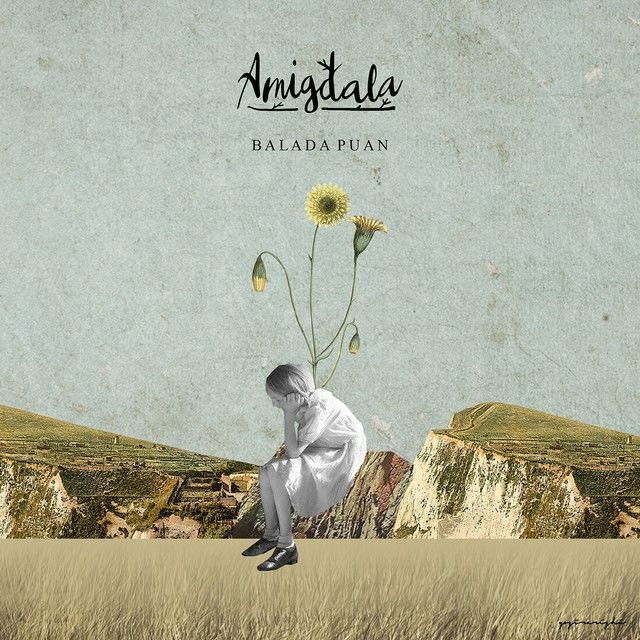
Why 'Kukira Kau Rumah' Hurts So Deeply
The meaning of Kukira Kau Rumah Amigdala comes down to one painful idea: they mistook a temporary connection for a lasting refuge. In plain terms, the song is about thinking someone is a safe place to belong, only to learn that the relationship was never fully available.
"Kukira Kau Rumah" - Amigdala
Dan pamit ketika purnamaku penuh seutuhnya
Kau yang singgah tapi tak sungguh
Loading lyrics...
Unable to load lyrics
We're unable to display the lyrics at this time. Please try again later.
That is why the title hits so hard. “Home” is not just romance here. It stands for safety, rest, and the feeling that they are finally done searching. The song’s heartbreak comes from discovering that this “home” was only borrowed.
A Love Song Built on a False Shelter
At the center of the song is a sharp metaphor. The speaker says Kukira kau rumah
, then corrects that belief with Nyatanya kau cuma aku sewa
. Even without translating every word, the emotional logic is clear: they thought they had something permanent, but it turns out to be temporary, conditional, and fragile.
That contrast makes the song feel more devastating than a standard breakup ballad. This is not just “you left.” It is “I built trust around you, and I was wrong about what you were.” The difference matters. One kind of pain comes from loss; this song is about loss plus misrecognition.

Watch the official Kukira Kau Rumah
music video
The Story Unfolds in Just a Few Images
The lyrics are brief, but they tell a full emotional arc.
First, the other person arrives when the speaker’s light is already fading, captured in the sunset image. Then they leave at a moment of fullness, tied to the moon imagery. In paraphrase, the person appears during weakness and disappears when things seem whole again. That timing makes the departure feel almost cruel.
Next comes the song’s key judgment: singgah tapi tak sungguh
. They describe someone who stopped by, but did not stay with sincerity. That phrase matters because it explains the entire relationship in miniature. The other person gave presence, but not true commitment.
Finally, the chorus names the truth. The speaker no longer treats the relationship as a home. They realize it was something like a rental: inhabited for a while, never owned, and always liable to end.
Why the “Home” Metaphor Lands So Hard
The most memorable line is not memorable because it is complex. It works because it is simple and exact.
Home usually means at least three things:
- safety n- permanence
- mutual acceptance
The song removes all three. The loved one is not safe because they can leave. They are not permanent because the bond is temporary. And they are not fully available because the lyrics imply another claim on them, especially in the line about memintamu untuk pulang
. In paraphrase, someone else is asking this person to return, which means the speaker never had a complete place in their life.
That detail expands the heartbreak. They are not only abandoned; they are displaced.
Sound and Delivery Make the Meaning Bigger
Interpretation: A major reason the song resonates is how its gentle sound contrasts with the damage in the lyrics. Amigdala’s style is often associated with soft, intimate indie-pop and folk textures, and that kind of arrangement suits this song perfectly. Rather than dramatic percussion or explosive vocals, the emotional effect usually comes from restraint.
That restraint mirrors the speaker’s realization. They are not screaming in anger. They are arriving at a quiet, terrible clarity. The melody feels like someone trying to stay composed while admitting a truth they can no longer avoid.
The repetition of Kau bukan rumah
also matters musically. Each return feels less like argument and more like self-instruction. They keep repeating it because they need to believe it. In that sense, the chorus sounds like grief turning into acceptance, one line at a time.
Artist Context and Writing Credits
The song is credited here to Amigdala, with writing credits provided as Andari Jamalina Pratami and Isa Maula Elfasya. Those details matter because the writing is lean and image-driven. Instead of telling a long story, the song builds meaning through a few symbolic contrasts: fading light versus fullness, staying versus merely stopping by, home versus rental.
That economy is part of why listeners connect to it so quickly. The lyrics leave space for personal projection. People who have loved someone emotionally unavailable can hear their own story inside it.
Two Strong Ways to Read the Song
A straightforward romantic reading
On the most direct level, the song is about loving someone who was never truly free to stay. The mention of another woman’s body and the call to return suggest divided loyalty. In this reading, the speaker realizes they were involved in a relationship with built-in limits.
A broader emotional reading
Interpretation: The song can also be heard as a warning about attachment itself. “Home” may represent any person they rely on too heavily. The pain comes from expecting stability from someone who was only ever passing through.
Both readings support the same conclusion: emotional safety cannot be built on uncertainty.
Why the Song Keeps Finding New Listeners
The meaning of Kukira Kau Rumah Amigdala stays powerful because the metaphor is universal. Most people know what it feels like to mistake closeness for commitment. The song puts that feeling into a simple image anyone can grasp: they thought they had a home, but they only had a temporary stay.
That is also why the song lingers after it ends. It does not just describe heartbreak. It describes the moment heartbreak becomes understanding.
The Lasting Takeaway
In the end, the song is about the shock of discovering that comfort was never permanence. Its emotional force comes from saying that realization plainly, without excess.
Listeners may hear romance, betrayal, or a lesson about attachment. Interpretation: all are valid as long as they grow from the song’s core metaphor. This reading is an interpretation, not an official statement from the artist.







