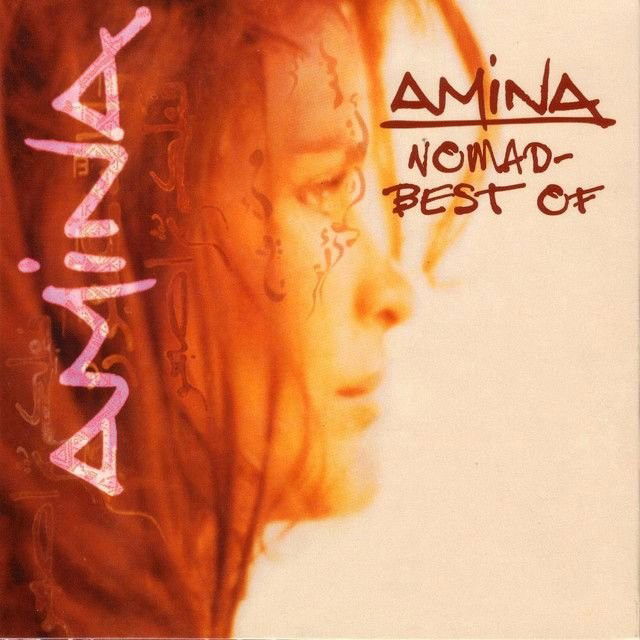
Why 'My Man' by Amina Hurts So Much
The meaning of My Man Amina centers on a hard truth: this is a love song about attachment that survives pain, humiliation, and false hope. Rather than praising romance, the lyric shows a speaker trapped in devotion to someone who gives very little back.
"My Man" - Amina
But there's one thing that I've got
It's my man
Loading lyrics...
Unable to load lyrics
We're unable to display the lyrics at this time. Please try again later.
That is why the song still lands with such force. It is not tender in a simple way. It is unsettling, because the singer admits the relationship is damaging and still cannot leave.
A Love Song That Refuses to Soften the Damage
At the surface, the story sounds direct. The speaker says the relationship has cost them dearly, yet they still cling to one fact: my man
. That repeated phrase acts less like celebration and more like surrender.
Very quickly, the song strips away ideal romance. The man is described as unattractive, unfaithful, and emotionally cruel. The lyric even states he isn't true
, making clear that this is not a misunderstood partner but someone who repeatedly fails the speaker.
Most disturbing of all, the song includes He beats me too
. That line changes the whole frame. The piece is not just about heartbreak. It is about abuse, dependency, and the way love can become fused with suffering.

Watch the official My Man
music video
The Speaker’s Inner Conflict Comes First
They know the truth and stay anyway
One reason the song feels so powerful is that the speaker is not naive. They plainly see what is happening. They know this person cheats, dismisses them, and causes despair.
That self-awareness matters to the meaning of My Man Amina. The central drama is not discovery. It is conflict between judgment and desire. The speaker knows they should leave, but their emotional bond is stronger than their resolve.
The chorus captures that split. They speak of despair, then reverse themselves once they are held again. In plain terms, a brief moment of comfort erases a long record of pain. That pattern mirrors the cycle often seen in unhealthy relationships: hurt, longing, reunion, and return.
Why the Chorus Feels So Tragic
The refrain is memorable because it shows total imbalance. The speaker says He'll never know
, which suggests their love is deep but unseen. They are giving everything to someone who does not fully recognize, or value, that devotion.
Then the lyric reaches its lowest emotional point with come back on my knees
. Paraphrased, the speaker admits that even if they try to leave, they expect to return in submission. This is not confidence. It is resignation.
Interpretation: the chorus turns love into a kind of captivity. The repeated return to him suggests that the real subject is not romance itself, but power. He sets the terms; the speaker lives inside them.
Small Dreams Show What They Cannot Have
In the later verse, the song briefly opens a different future. The speaker imagines a peaceful home, flowers, and children. That dream matters because it reveals what they actually want: stability, tenderness, and ordinary family life.
But the fantasy collapses almost at once. The man rejects this vision and tells them to stop talking that way. In story terms, this is crushing. The lyric suggests that even the hope of reform is not shared.
The cottage image is more than scenery
The dream of a home by water works like a symbol. It stands for calm, growth, and emotional safety. By placing that image next to cruelty and dismissal, the song highlights the gap between desire and reality.
Interpretation: this contrast may be the saddest part of the song. The speaker is not only attached to the man as he is. They are also attached to the fantasy of who he might become.
How Performance and Style Carry the Meaning
The user provided the song as part of a World music context and credited writers Jose Ramon Garcia Florez and Marella Cayre. Based on the lyric alone, the structure follows the tradition of dramatic torch songs, where emotional confession drives the performance more than plot.
That matters because songs like this usually depend on vocal delivery. The words move between blunt realism and aching surrender, so a singer’s phrasing can make the piece feel either defiant, broken, or numb. Even without discussing a specific arrangement, the lyric invites a slow, theatrical reading that lets each reversal sink in.
The repetition also helps. Returning again and again to the same declaration makes the obsession feel circular. The song does not progress toward healing. It loops back into need.
What the Song Is Really Saying
At its core, the meaning of My Man Amina is about how devotion can survive even when respect, safety, and reciprocity are gone. The lyric does not argue that this love is healthy. It shows how powerful and destructive attachment can become.
There are two useful ways to read it:
- Interpretation 1: It is a portrait of abuse and emotional dependence.
- Interpretation 2: It is a broader tragic statement about love that ignores reason.
Both readings fit the text. The first is supported by the explicit violence and cheating. The second is supported by the larger emotional pattern: they know better, but feeling wins.
The Lasting Sting of “My Man”
What makes the song memorable is its honesty. The speaker does not pretend love is noble here. They present it as painful, degrading, and impossible to quit.
That is why the song still feels sharp today. It gives listeners no easy lesson, only a portrait of someone caught between what they know and what they cannot stop wanting.
Disclaimer: This interpretation is based on the lyrics provided and common song-analysis methods. Meaning can vary depending on performance, arrangement, and listener experience.







