How Amon Amarth Turns Myth Into Warning
The meaning of Fafner's Gold Amon Amarth is fairly direct on the surface: they tell the old story of Fafnir the dragon and the treasure that destroys everyone around it. But beneath that action-movie plot, the song is really about greed, manipulation, and the way power can poison every relationship it touches.
"Fafner's Gold" - Amon Amarth
In his smithy schemes and plans are made
There is vengeance to be claimed
Loading lyrics...
Unable to load lyrics
We're unable to display the lyrics at this time. Please try again later.
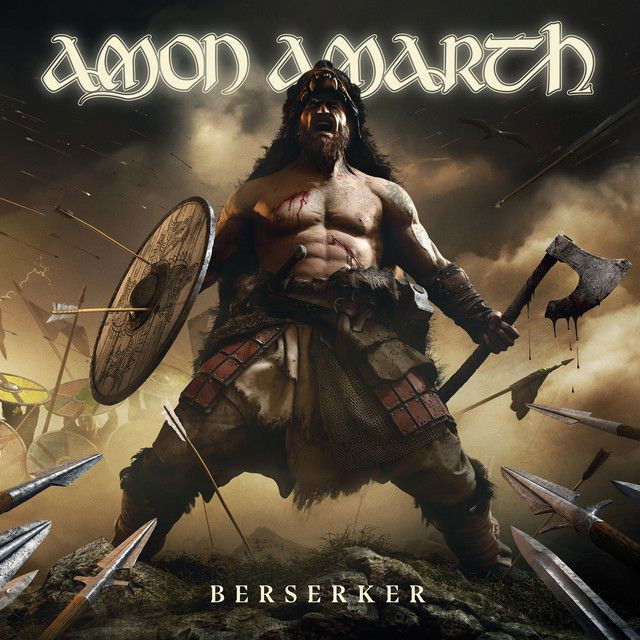
Amon Amarth have built much of their career around Norse history and myth, and this track opens their 2019 album Berserker with a fast, cinematic retelling. According to the research around the legend, vocalist Johan Hegg has said he even leaned on the Fáfnir myth as a source. That matters, because the song works less like a personal confession and more like a compact heroic saga.
A Dragon Story With a Human Problem
On the plot level, the song follows Regin, who wants revenge and treasure. He cannot defeat Fafnir himself, so he recruits a stronger hero and sends him toward the dragon with the sword Gram. The mission sounds noble at first, but the lyrics steadily reveal that this is not a clean quest. It is a setup.
That is why the chorus matters so much. When the song returns to Fafner's gold
and treachery unfolds
, it frames the treasure as the true engine of the story. The dragon is dangerous, but the gold is worse. The monster guards it, Regin wants it, and the hero is pulled into its curse.
Interpretation: the song suggests that greed is the real dragon. Fafnir may have scales, but Regin is just as monstrous in motive.

Watch the official Fafner's Gold
music video
How the Verses Build the Betrayal
The opening verse quickly paints Regin as a planner rather than a warrior. He is not simply forging weapons; he is forging a scheme. The line about plans being made in the smithy turns a workplace into a place of hidden intent. That sets up one of the song’s biggest themes: violence begins long before the sword strike.
The next key move is recruitment. Regin needs someone strong and brave
, and he finds a hero willing to do the deed. In myth, this hero is Sigurd. The song keeps things simple and sharp, focusing less on his inner life and more on his role in the trap. He becomes the hand carrying out another man’s revenge.
That is one reason the song feels grim rather than triumphant. The usual dragon-slayer story would celebrate bravery. Here, bravery is useful, but it is also exploited.
The Myth Behind the Metal
In Norse legend, Fafnir was not always a dragon. He was transformed by greed after taking cursed treasure, usually linked to Andvari’s hoard. In the old sources, Regin then guides Sigurd to kill him on Gnitaheath. After the dragon dies, Sigurd tastes the blood while cooking the heart, gains knowledge, learns of Regin’s betrayal, and kills Regin too.
Amon Amarth compress that whole arc into a few vivid turns. The line Gram stung him well
gives the slaying a brutal snap. Then the command Fry its heart
marks the pivot from victory to revelation. The hero does not just defeat the beast; he gains insight into the human deceit behind the quest.
Tasting dragon's bloodhe now understoodall of Regin's collusive plans
This is the song’s moral center. Knowledge arrives only after violence, and truth arrives too late to save innocence.
Why the Chorus Feels So Heavy
Musically, the chorus is built to sound large and inevitable. Amon Amarth lean on chugging guitars, pounding drums, and a march-like rhythm that feels almost like troops moving across a battlefield. Johan Hegg’s growled delivery adds authority, making the story sound carved in stone instead of casually told.
That production choice supports the meaning. This is not a song about one bad decision. It feels like fate rolling downhill. Each chorus lands like a reminder that everyone is already caught inside the curse.
Interpretation: the repeated hook turns the gold into a symbol of destiny as much as wealth. Once people chase it, the ending is nearly fixed.
Symbols That Matter Most
Gold as corruption
The treasure is more than loot. It represents desire with a price attached. In both the myth and the song, gold inspires murder, betrayal, and paranoia.
The dragon as transformed greed
Fafnir is not just a beast to be slain. He is what a person becomes when possession replaces humanity. That makes the story darker than a standard fantasy battle.
Blood as knowledge
When the hero tastes the dragon’s blood, he sees the truth. In symbolic terms, wisdom here is painful, earned through danger, and tied to moral loss.
Amon Amarth’s Angle on the Legend
Amon Amarth often present Norse material in a way that is clear, muscular, and dramatic rather than mysterious. “Fafner’s Gold” fits that method. They strip the saga down to its essentials: revenge, dragon, treasure, betrayal. That simplicity helps listeners catch the point quickly.
For U.S. listeners especially, the song may first register as fantasy metal. But its staying power comes from a very old warning: people may think they are chasing wealth or justice, yet they often end up serving someone else’s hunger.
So, the meaning of Fafner's Gold Amon Amarth is not just that a hero kills a dragon. It is that cursed desire keeps creating new dragons, new victims, and new traitors. The blade ends one monster, but it does not end the force that made him.
Final Take From the Hoard
“Fafner’s Gold” works because it delivers two pleasures at once: a thrilling mythic narrative and a blunt moral lesson. They turn ancient legend into a heavy metal warning about greed and deceit.
That said, any song reading includes interpretation. The factual story comes from the lyrics and the mythic sources, while the deeper symbolism may vary from listener to listener.








