Why “Wait for Me (Reprise)” Feels Like a March
The meaning of Wait for Me (Reprise) André De Shields, Hadestown Original Broadway Company, Anaïs Mitchell comes down to one idea: the hardest journey in Hadestown is not just through the underworld. It is through fear, doubt, and the voice in a person’s head that says they should stop.
"Wait for Me (Reprise)" - André De Shields, Hadestown Original Broadway Company, Anaïs Mitchell
He ain't the hound dog in the street
He bares some teeth and tears some skin
Loading lyrics...
Unable to load lyrics
We're unable to display the lyrics at this time. Please try again later.
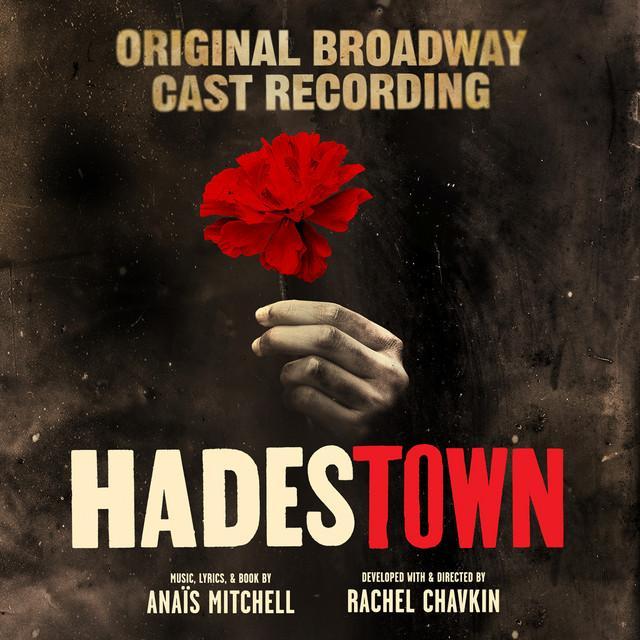
In the Broadway cast album of Anaïs Mitchell’s Hadestown, Hermes guides the story while Orpheus keeps moving toward Eurydice. This reprise arrives late in the musical, after hope has already been tested. Instead of sounding like simple encouragement, it feels like a public act of faith.
The Real Enemy Is Inside
The song opens by comparing physical danger with mental danger. It says the worst threat is not some beast in the street, but the force that howls inside your head
. That image gives the song its center. Fear is treated as loud, animal, and destructive.
Hermes then sharpens the message by saying the true road lies between your ears
. In plain terms, they frame this trip as a battle of consciousness. A person can move forward with their body and still lose the fight in their mind.
Interpretation: This is why the reprise matters so much. It turns myth into psychology. Orpheus is still walking through Hades’ world, but the song suggests that despair, self-doubt, and isolation are just as dangerous as any wall or guard.
From Love Song to Collective Call
Earlier in Hadestown, “Wait for Me” is driven by pursuit and devotion. In the reprise, that idea grows. The repeated plea Wait for me
still sounds personal, but the surrounding lines make it communal.
When the ensemble sings about showing the way the world could be, the song stops being only about one lover reaching another. It becomes about example. If one person acts bravely, others may believe they can act too.
That is why the line show the way
lands so strongly. It asks for leadership, but not leadership based on power. It means moral example: keep going, and others will find courage through that motion.
A Chorus That Marches, Not Just Sings
The chorus works because it keeps returning in short, urgent phrases. I’m comin’ too
does not sound polished or distant. It sounds immediate, like someone trying to keep pace before courage fades.
That repetition matters. Instead of giving the listener new information, the refrain acts like self-command. The song is teaching its characters how to continue by having them say the same promise again and again.
One Brief Lyric Snapshot
Before and after this moment, the song frames courage as something shared rather than owned by one hero:
Show the way the world could be
If you can do it
so can she
so can we
Those lines widen the story’s meaning. They suggest hope can spread socially. In Hadestown, that matters because the world of the show is built on hierarchy, labor, fear, and control.
What Happens Dramatically in This Scene
This reprise also works as a pivot in the show’s narrative.
- Hermes names the inner threat.
- The company turns private devotion into shared belief.
- Hades and Persephone briefly suggest another cycle may begin.
- Orpheus keeps moving, but doubt still stalks him.
That short exchange about trying again next fall gives the song extra depth. In the musical, seasons and repetition matter. Mitchell developed Hadestown over many years before its Broadway success, and the show keeps returning to cycles of loss and renewal in both story and image.[^1][^2]
How the Sound Carries the Meaning
The production helps explain why this number feels larger than dialogue alone. Hadestown is known for blending folk, jazz, blues, and theatrical storytelling, and the Original Broadway Cast recording preserves that live-forward energy.[^2][^3]
In this reprise, rhythm is crucial. The beat feels like footsteps. Ensemble voices stack on top of the lead, making the number sound less like a solo and more like a movement. When the lyric mentions walls repeating and feet sounding like drumming, the arrangement makes that image believable.
Interpretation: The music suggests solidarity. Even when Orpheus seems alone, the sound says he is being carried by memory, community, and myth.
The Sharpest Question in the Song
Late in the lyric, a challenging voice asks, in effect, who he thinks he is. That matters because courage often triggers shame. The song knows that taking a stand can make a person feel foolish, proud, or exposed.
This is one of the smartest parts of the writing. It is not enough to say “be brave.” The song also stages the backlash inside the mind. It shows how hope gets attacked from within.
That is why the road can lead to paradise or ruin. The same inner life that creates vision can also destroy it.
Why This Reprise Stays With Listeners
The meaning of Wait for Me (Reprise) André De Shields, Hadestown Original Broadway Company, Anaïs Mitchell lasts because it speaks to love, art, and collective struggle at once. On the surface, someone is still moving toward someone they love. Underneath, the song asks whether people can keep faith when fear gets louder.
Its answer is careful, not simple. It does not promise safety. It offers company, rhythm, and example.
In that way, the reprise becomes one of Hadestown’s clearest statements: the path forward is mental before it is physical, and hope survives by being repeated together.
Final Thought Beneath the Lanterns
For many listeners, this song feels inspiring because it treats courage as contagious. One voice starts, then others answer, and the road becomes possible to walk.
That reading is an interpretation, not a fixed fact. Like much of Hadestown, the song invites different meanings depending on whether someone hears it as romance, myth, politics, or an anthem for getting through their own dark place.
[^1]: Anaïs Mitchell, Hadestown official history and credits.
[^2]: Broadway production materials for Hadestown.
[^3]: Cast recording and show background from major theater coverage.







