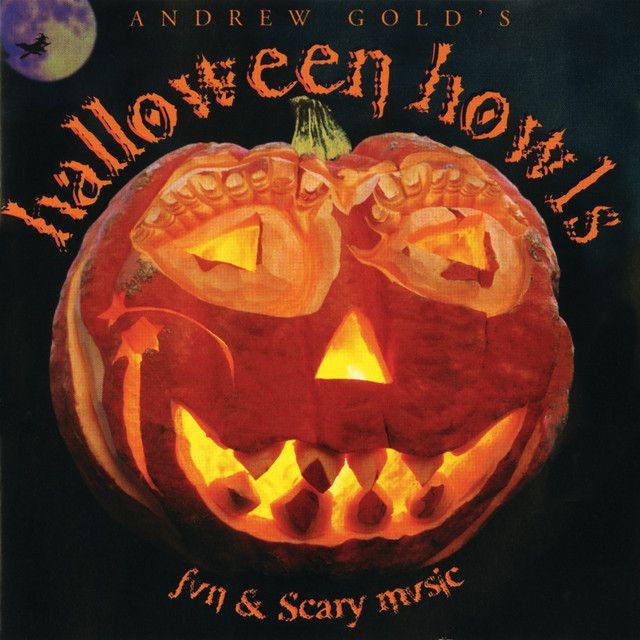
What 'Spooky Scary Skeletons' Really Means (Andrew Gold)
A two-minute Halloween earworm from 1996 became the Internet’s favorite October anthem. The meaning of Spooky Scary Skeletons Andrew Gold is simple and clever: it makes fear feel friendly and teaches boundaries with a wink.
"Spooky, Scary Skeletons" - Andrew Gold
Send shivers down your spine
Shrieking skulls will shock your soul
Loading lyrics...
Unable to load lyrics
We're unable to display the lyrics at this time. Please try again later.
Spooky scary skeletons Send shivers down your spine
Bones That Rattle, Fears That Don’t
Andrew Gold wrote, produced, and performed the song for his kids’ album Halloween Howls: Fun & Scary Music in 1996. It’s a novelty tune by design—short, catchy, and gleefully camp. But under the gags, the lyric imagines monsters who just want to hang out.
Interpretation: The narrator acts like a campfire storyteller, warning listeners about the bony visitors while also softening them. When they say we're so sorry skeletons
, they signal empathy. Then they add you only want to socialize
—a warm read on the undead.
Watch the official Spooky, Scary Skeletons
music video
So What’s the “Meaning of Spooky Scary Skeletons Andrew Gold”?
At heart, the song reframes fright as play. The skeletons are “misunderstood,” and the humans decide where the line is. The narrator gently puts up a boundary with I don't think we should
. It’s Halloween in miniature: pretend fear, real rules.
Interpretation: The lyric doubles as a kid-friendly lesson. We can be kind to outsiders, but we don’t have to say yes to every invite—especially if it’s from something that “sneaks” around at night.
Who’s Talking, and to Whom?
The voice shifts between third-person description and direct address. They paint the scene—noisy bones, midnight shenanigans—then speak to the skeletons like a parent guiding a playdate. This mix keeps the tone playful rather than mean.
That tone matters. The song never demonizes the creatures; it keeps them chatty, noisy, and oddly social. The result is less horror and more Halloween parade.
What Actually Happens: A Quick Timeline
- The chorus sets the mood: skeletons arrive and spook the room.
- Verses add slapstick: the bones “shout” and “screech,” and they
sneak from their sarcophagus
when you least expect it. - The narrator apologizes to the skeletons but declines the party.
- The night ends with a prankster flourish—they’ll
wake you with a boo
.
Each beat pushes the same idea: the danger is theatrical, not deadly. It’s a safe scare.
Symbols, Jokes, and Little Lessons
- Misunderstood monsters: Lines about being “sorry” and “misunderstood” suggest empathy for outsiders.
- Consent and caution: The polite “no” teaches kids to set limits.
- Harmless haunts:
spirits supernatural are shy
flips the power dynamic; the living are the ones in control. - Wordplay: Tombs, sarcophagi, and “boo”s keep everything cartoon-bright, not grim.
Interpretation: The skeletons become a stand-in for any social push that feels overwhelming. The narrator models how to respond—kindly, clearly, and with humor.
How the Sound Sells the Joke
Gold tracked and mixed the tune himself, leaning on a bright xylophone that clacks like bones. The tempo bounces, the melody is nursery-rhyme simple, and the harmony sits in a minor key with sunny turns. That mix keeps the song spooky-fun rather than scary.
Its compact 2:08 runtime makes it replayable at parties and perfect for looping videos. Disney paired it with the 1929 short The Skeleton Dance in the late ’90s, which strengthened its classic-cartoon vibe. In 2013, The Living Tombstone’s electronic remix sped it up and helped push it into meme territory.
By the 2010s, the song resurfaced online as a seasonal staple, spawning millions of short-form videos. It later earned RIAA Platinum certification in the U.S. and ranked highly on several charts decades after release. In 2024, it was even adapted into a children’s picture book—proof that the tune works as both song and story.
Alternate Readings That Also Fit
- Interpretation: A fear-management tool. The song lets kids name scary things and laugh at them, turning anxiety into silliness.
- Interpretation: A manners lesson. The narrator models empathy and consent—recognizing the skeletons’ wish to “socialize,” then calmly saying “not tonight.”
Both readings thrive because the song never wags a finger. It smiles, scrabbles by, and keeps the door closed.
Why It Endures Every October
It’s short, hooky, and visual—perfect for decorations, dances, and memes. The imagery is specific (bones, coffins, “boo”), the rhythm is easy to march to, and the tone is PG. That’s why it works at American Halloween parties, from classrooms to costume bars.
Takeaway
The meaning of Spooky Scary Skeletons Andrew Gold is cheerful courage: fear can be fun, kindness matters, and boundaries keep the party safe. That’s a lesson worth repeating every fall.
Disclaimer: Interpretation sections reflect one informed reading and may differ from the artist’s intent.








