
Why This Duet Makes Youth Feel Close Again
For listeners searching for the meaning of When We Were Young Andy Black, Juliet Simms, the heart of the song is simple: it captures what happens when the past suddenly feels present again. In this 2017 duet cover, Andy Black and Juliet Simms take Adele's already emotional song and make it feel even more like a conversation between two people who share old memories.
"When We Were Young" - Andy Black, Juliet Simms
From the way you talk to the way you move
Cause everybody here is watching you
Loading lyrics...
Unable to load lyrics
We're unable to display the lyrics at this time. Please try again later.
Factually, this version was released on Punk Goes Pop Vol. 7 in 2017, with Andy Biersack performing under his Andy Black name and Juliet Simms joining as a featured artist. Simms and Biersack, who married in 2016, brought real-life chemistry to the recording, which helps explain why the performance feels so intimate and believable.
A Reunion Song Disguised as a Nostalgia Anthem
At its core, the song is about seeing someone from the past and being flooded by memory. The opening describes a room where one person stands out, not just because they are attractive, but because they feel familiar. When the singer suggests the other person feels like home, the emotion is not just romance. It is recognition, safety, and loss all at once.
That is why the central hook hits so hard. The person does not merely look good in the present. They seem to carry the whole past with them. Short phrases like like a movie
and like a song
compare memory to art: polished, vivid, and slightly unreal.
Interpretation: the song is not saying youth was perfect. It is saying memory edits life until it feels cinematic.
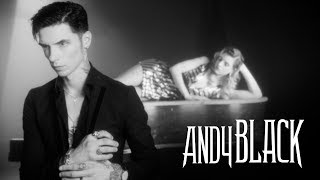
Watch the official When We Were Young
music video
The Chorus Turns Memory Into Panic
The chorus gives the song its deepest tension. The request to photograph you in this light
is about preserving a moment before it disappears. In plain terms, the narrator is afraid this reunion may never happen again.
That fear matters because the song ties nostalgia to aging. The line about being sad about growing older suggests that youth was not only fun. It was also full of anxiety. People sensed time passing even then, and that awareness made them unsettled.
It was just like a movie
It was just like a song
when we were young
This short refrain shows how memory works in the song. The past returns in flashes, not explanations. It feels beautiful, but also unreachable.
What the Story Seems to Be Saying
The lyrics suggest a loose timeline:
- The narrator spots someone important in a crowded space.
- They ask for a private moment, hinting at old history.
- The sight of this person triggers memories of youth.
- The narrator admits they still care and wonders if the feeling is mutual.
That last emotional turn is crucial. The song is not just about getting older. It is about unfinished attachment. When the singer says I still care
, the nostalgia becomes personal rather than general.
Interpretation: this may be a reunion with an old lover, but it could also be a reunion with a former self. The other person becomes proof that a younger version of life once existed.
Why Andy Black and Juliet Simms Fit This Song
The cover works because both singers come from rock backgrounds but know how to soften their delivery. Andy Black, best known outside his solo work as the frontman of Black Veil Brides, often balances theatrical darkness with melodic pop structure. Simms, who first built her audience with Automatic Loveletter and later gained wider attention on The Voice, brings grit and vulnerability at the same time.
In this duet, neither voice tries to overpower the song. Instead, they trade emotional weight. His lower tone adds steadiness; her sharper edge adds ache. Together, they make the reunion feel shared.
That is an important difference from a solo performance. A duet can imply that memory belongs to both people. Even when the lyrics stay the same, the emotional frame shifts from private reflection to mutual reckoning.
How the Production Supports the Meaning
The arrangement helps sell the song's emotional arc. The track builds gradually rather than exploding right away. Piano and spacious instrumentation leave room for the words, which mirrors the theme of looking back into open emotional space.
As the song rises, the drums and fuller mix add pressure. That lift matches the feeling of memory becoming overwhelming. The production does not sound chaotic, though. It stays clean and dramatic, which fits the song's polished, cinematic imagery.
This matters because the song keeps comparing memory to performance and spectacle. The swelling sound lets listeners feel that the past is becoming larger than life.
The Deeper Meaning of Getting Older
One of the most affecting parts of the lyric is its honesty about age. The song does not pretend that fear of aging begins late in life. It suggests that even in youth, people were already worried about losing it.
That idea gives the song its sting. Nostalgia here is not only warm. It is restless. The past hurts because people did not fully understand what they had while living it.
For that reason, the meaning of When We Were Young Andy Black, Juliet Simms goes beyond romance. It is about how people meet their past through other people, old feelings, and sudden sensory triggers. A voice, a face, or a shared room can make time fold in on itself.
Final Take on This Cover's Emotional Pull
Andy Black and Juliet Simms turn this song into a believable dialogue about memory, loss, and the wish to freeze one last beautiful second. Their version keeps the original sadness, but the duet format adds a sense that two lives are brushing against the same vanished era.
In the end, the song says youth is not gone because people forgot it. It feels painful because they remember it so clearly.
Disclaimer: This article offers informed interpretation based on the released song, credited writers, and performance context. Meaning can vary from listener to listener.







