Why Angie Stone's 'Pissed Off' Still Hits
Angie Stone’s "Pissed Off" is one of those songs that sounds blunt on first listen and even sharper on the second. The surface message is clear: a relationship has become exhausting. But the deeper meaning of Pissed Off Angie Stone is about what happens when one partner’s old wounds turn into jealousy, control, and emotional chaos.
"Pissed Off" - Angie Stone
Tired, feeling all that, you know what I'm sayin'?
Positive, you know what I'm sayin'?
Loading lyrics...
Unable to load lyrics
We're unable to display the lyrics at this time. Please try again later.
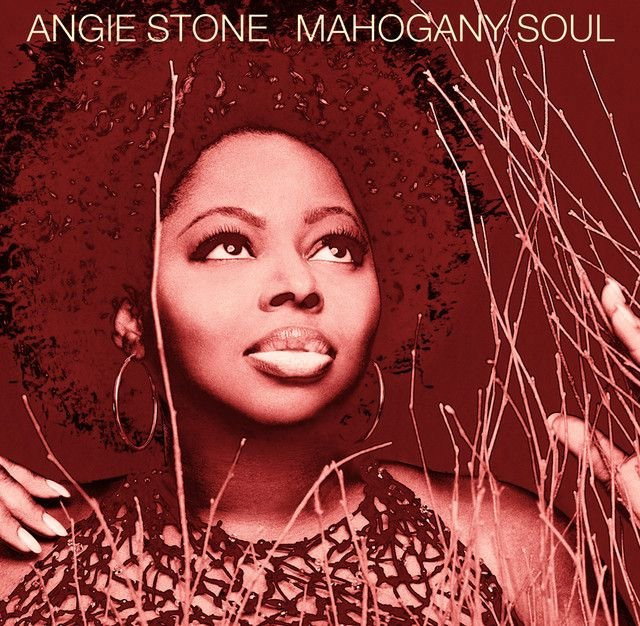
The song appears on Mahogany Soul, Stone’s 2001 album, released on October 16, 2001. The record is widely seen as a key neo-soul release, and Stone later called it her “defining musical achievement,” saying its concepts came from a “very, very broken” but “headstrong” woman. That context matters because this track feels lived-in, not invented. It was written by Angie Stone, Eran Tabib, Rufus Moore, and Stephanie Bolton, and the album version was produced by Stone, Tabib, and Chucky Thompson, according to the album’s documented credits and track listing in the available release data.
The Song’s Core Message Is Bigger Than Anger
At its heart, this is a song about emotional overflow. The partner is described as so pissed off
, but Stone is not praising that intensity. They are showing how anger can become a whole worldview.
The key image is seeing life through a broken lens. When the chorus mentions the glass that you shattered
, it suggests a person whose own damage changes how they see everything around them. In plain terms, they no longer respond to love as love. They respond to it through pain, suspicion, and resentment.
Interpretation: The song argues that unresolved hurt does not stay private. It spills into the relationship and makes ordinary affection feel impossible.

Watch the official Pissed Off
music video
A Relationship Turned Into Surveillance
The verses explain why the singer has reached a limit. This is not one bad night. It is a pattern.
Stone describes a partner who is overprotective, jealous, and especially performative around other men. The line about speaking to any man and there being something's goin' on
captures that constant suspicion. Every harmless exchange gets recast as betrayal.
That matters because the song moves beyond frustration into a portrait of control. The partner is not just upset; they are monitoring, accusing, and reacting from insecurity. Stone even points directly at the source by naming your insecurity
as the real problem.
The Story Unfolds in Three Steps
- The relationship begins with hope and tenderness.
- Jealousy and anger slowly expose deeper problems.
- The singer realizes love cannot fix what existed before they arrived.
That middle step is crucial. The song says, in effect, that the pain was already there. The singer did not create it.
The Most Important Line Is About Boundaries
One of the strongest ideas in "Pissed Off" is not rage at all. It is self-protection.
Near the end of the second verse, the narrator refuses to let this person stay in their mind, heart, or bed. That shift changes the song from complaint to decision. They are no longer asking what is wrong. They are setting terms for survival.
Can't allow you to live
rent free in my heart
or in my head
Even in this short moment, the message is plain: emotional access must be earned. If someone brings stress, fear, and accusations, they lose the right to intimacy.
Interpretation: This may be the song’s true center. The title suggests explosion, but the deeper lesson is withdrawal from chaos.
Sound and Production: Warm Music, Hard Truth
Part of what makes the meaning of Pissed Off Angie Stone so effective is the contrast between the production and the lyrics. Mahogany Soul is known for organic, rootsy neo-soul textures, and "Pissed Off" follows that approach. The available credits show Stone on vocals and Rhodes piano, Eran Tabib on guitars, and Chucky Thompson handling bass and drums on the track.
That mix gives the song a warm, grounded feel rather than a harsh or aggressive one. The groove is steady, not explosive. Stone sings with control, which makes the frustration feel more mature and believable. They sound tired before they sound theatrical.
This fits what critics noticed about the album overall. Billboard praised Mahogany Soul for being stronger “musically and lyrically,” while the Los Angeles Times highlighted its sense of “real stories, real people, real emotions.” "Pissed Off" is a perfect example of that grown-up realism.
How It Fits Angie Stone’s Album World
"Pissed Off" becomes even richer when heard next to the rest of Mahogany Soul. This is the same album that includes the affirming "Brotha" and the aching "Wish I Didn’t Miss You." That range matters.
Stone was not writing simple man-bashing songs or simple love songs. They were writing about adults trying to love through pressure, ego, memory, gender expectations, and emotional damage. In a 2001 review, PopMatters described songs like "Pissed Off" as brutally sharp in how they examine relationships. That feels accurate here.
Interpretation: The song is not anti-love. It is anti-chaos. It says love without trust becomes stress.
Why the Song Still Feels Current
A lot of early-2000s neo-soul aged well because it focused on behavior, not trends. "Pissed Off" still lands because jealousy, projection, and emotional burnout are timeless problems.
Many listeners will hear a familiar cycle:
- one person carries old pain
- that pain becomes accusation
- the relationship becomes a pressure zone
- leaving becomes the healthiest act available
That is why the song still resonates. It gives language to the moment when compassion runs into a boundary.
The Takeaway Behind the Frustration
The meaning of Pissed Off Angie Stone is not just that someone is angry. It is that anger has hollowed out the relationship. Stone’s narrator sees that love cannot heal a person who keeps choosing suspicion over trust.
In the end, the song is powerful because it refuses romantic excuses. It shows empathy for pain, but it does not confuse pain with permission. That balance is what makes "Pissed Off" feel so honest.
Disclaimer: This interpretation is based on the song’s lyrics, album context, and documented credits. As with any song, listeners may hear meanings that differ from the one presented here.







