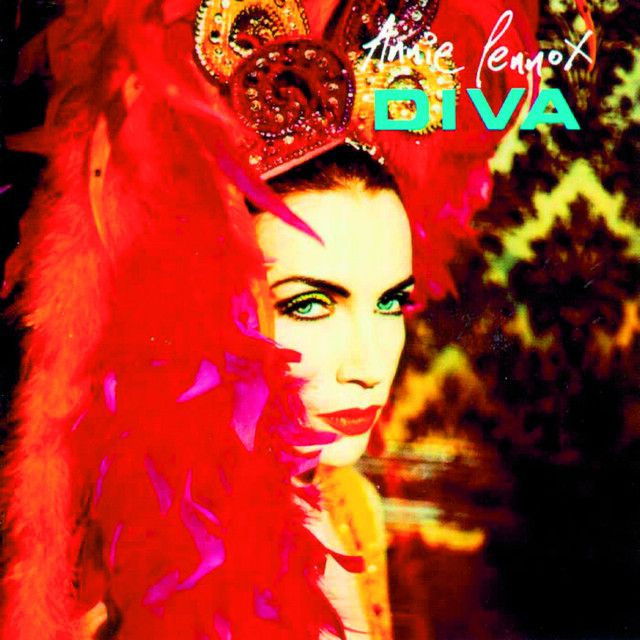
Little Bird by Annie Lennox
Why This Song Still Lifts Off
The meaning of Little Bird Annie Lennox comes down to one central idea: a person feels trapped, hurt, and uncertain, yet still tries to find the courage to move forward. Annie Lennox builds that message through a simple image. They look up, see a bird moving freely through the sky, and compare that grace to life on the ground, where everything feels heavy.
"Little Bird" - Annie Lennox
That glides across the sky
He sings the clearest melody
Loading lyrics...
Unable to load lyrics
We're unable to display the lyrics at this time. Please try again later.
Factually, Little Bird was written by Annie Lennox for her debut solo album Diva and released as a single in 1993. It was produced by Lennox and Stephen Lipson, and it became a major hit in the UK and on US dance charts. Those details matter because the song arrived during Lennox's early solo era, when listeners naturally heard it as a statement of transition and self-belief.
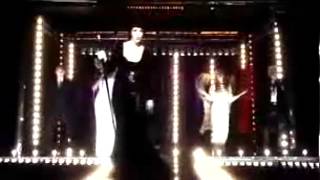
Watch the official Little Bird
music video
A Song About Freedom Seen From Below
At the start, the song frames freedom as something visible but not yet reachable. The narrator watches a bird with the clearest melody
, and that beauty is almost too much to bear. Instead of comfort, it brings tears. In plain terms, the song says that seeing what freedom looks like can make pain feel sharper.
That feeling gets stronger when the setting shifts to city streets described as full of anger and fear. The contrast is clear: the sky suggests openness, while the city suggests pressure, emotional noise, and confinement. The narrator wants escape, but more than that, they want a different state of mind.
This is why the bird works so well as a symbol. It is not just about travel or running away. It represents emotional release, a self not crushed by dread.
The Cry to "Mamma" Changes the Song
A voice reaching backward before moving on
The most revealing section is the repeated call to Mamma, I feel so low
. On the surface, it sounds like a plea for comfort. The speaker feels lost and asks where to go and what to know. In emotional terms, they are searching for safety, guidance, and a stable voice.
But the song does not stay in that childlike place. It pushes toward a harder truth. The line about reaping what is sown suggests consequence, maturity, and accepting life as it is. This makes the chorus feel less like helplessness and more like a turning point.
This little bird's fallen out of that nest nowSo I've just got to put these wings to test
That short passage gives the whole song its arc. The speaker has lost the old shelter, but that loss may also be a blessing. Falling from the nest sounds scary, yet it creates the chance to learn how to fly.
Recovery, Burden, and Self-Empowerment
Another key image is weight. The narrator calls themselves a troubled soul
and says they are weighted to the ground. That language turns sadness into something physical. They are not only unhappy; they feel pinned down.
Then comes the request for strength to carry on and eventually lay the burden down. This matters because the song does not promise instant freedom. It describes recovery as effort. First comes survival, then release.
Interpretation: This is why many listeners hear the track as a recovery anthem. It does not deny despair, but it refuses to end there. Even in its lowest moments, the song keeps moving toward action.
How Annie Lennox's Career Context Shapes the Meaning
Because Little Bird appeared on Lennox's first solo album after the peak years of Eurythmics, many critics and fans connect its story to artistic independence. Songfacts notes that Lennox once admitted they had doubted whether they could work apart from Dave Stewart. That makes the image of testing new wings feel especially fitting.
This reading should be labeled as Interpretation, not proven fact. Still, it is supported by timing, by the song's language about leaving the nest, and by how often the track has been described as a story of recovery and self-empowerment.
The music video adds another layer. Directed by Sophie Muller, it features multiple Lennox lookalikes based on earlier personas from their career. That playful self-reference makes the song feel like a conversation with the past. Rather than rejecting old versions of themselves, they place them onstage and move through them.
Why the Sound Feels So Triumphant
One reason the song remains so memorable is the gap between sound and subject. Critics at Billboard described it as a synth-driven track with passionate vocals, and that balance is exactly what listeners hear. The beat pushes forward, the bass keeps things elastic, and Lennox sings with urgency rather than collapse.
That production choice is crucial to the meaning of Little Bird Annie Lennox. A slower arrangement might have made it only a sad song. Instead, the dance-pop pulse turns pain into momentum. The music says: they may be struggling, but they are still in motion.
This also helps explain the song's chart success. It reached No. 3 in the UK, No. 49 on the Billboard Hot 100, and No. 1 on the US Dance Club chart. The track connected because it was both emotionally direct and physically energizing.
Final Take: Falling Is Not the End
In the end, Little Bird is about the space between breakdown and breakthrough. It starts with envy and sorrow, moves through fear and dependence, and lands on a hard-earned kind of hope. The bird is freedom, but the real story is learning to deserve that freedom by surviving the fall.
For many listeners, that is why the song lasts. It understands that strength does not always begin with confidence. Sometimes it begins with feeling low, looking up, and deciding to test the wings anyway.
Disclaimer: This interpretation mixes documented context with informed reading of the lyrics and sound. Songs can hold different meanings for different listeners.







