What 'Belly Of The Beast' by Anthrax Means
The meaning of Belly Of The Beast Anthrax starts with a hard truth: this is not just a song about villains in the abstract. It is widely tied to the Holocaust and to the moral disaster of people who helped carry out mass murder while hiding behind duty, ideology, and silence. That reading is supported by Songfacts, which identifies the song as a direct confrontation with Nazi crimes and the excuse of “following orders” (Songfacts).
"Belly Of The Beast" - Anthrax
You tear the innocent's souls apart
You shovel your conscience into the grave
Loading lyrics...
Unable to load lyrics
We're unable to display the lyrics at this time. Please try again later.
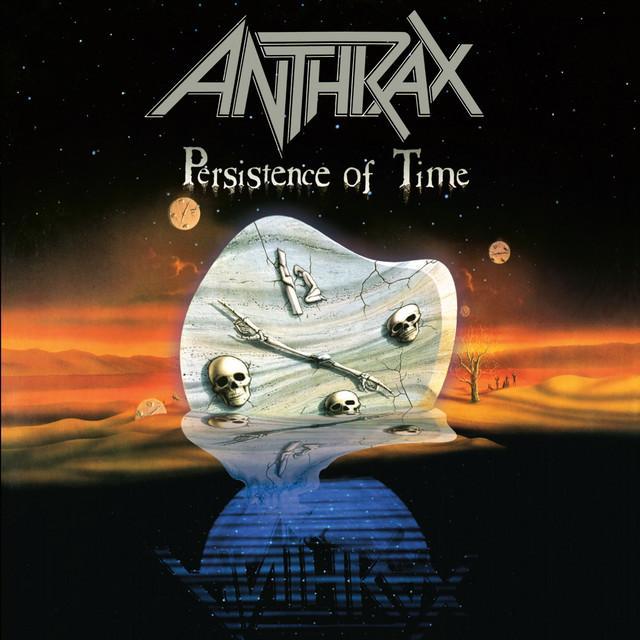
Released in 1990 on Persistence of Time, the track arrived during a darker phase for Anthrax. Their fifth studio album moved away from much of the band’s earlier humor into a more serious, reflective style (Wikipedia). That context matters, because this song sounds like a warning siren, not a fantasy story.
A Song About Evil Made Ordinary
At its core, the song describes what happens when cruelty becomes routine. The opening attack on a person who walks the world without a heart
does not just insult an individual. It paints the image of someone emptied of empathy, someone able to hurt others because conscience has been buried.
The lyrics then connect body, mind, and voice to violence. In simple terms, the song argues that evil is not only carried out with weapons. It also moves through speech, slogans, commands, and belief. When the song describes people as instruments of death
, it points to human beings turned into tools of a larger machine.
Interpretation: This is one of the track’s strongest ideas. It suggests that systems of terror do not survive on one monster alone. They need many people who stop asking questions.

Watch the official Belly Of The Beast
music video
The Real Target: Obedience Without Conscience
One of the song’s sharpest lines of attack is aimed at the defense that perpetrators were only doing what they were told. Anthrax pushes back against that excuse by asking moral questions instead of offering easy comfort. The repeated challenge about who is evil and who is blind turns the spotlight on both the leaders and the followers.
That theme also links to the album sequencing. Persistence of Time places “Belly Of The Beast” after “Intro to Reality,” which uses dialogue from The Twilight Zone episode “Deaths-Head Revisited,” including the phrase “We did as we were told,” as noted by both Songfacts and the album documentation (Songfacts, Wikipedia). That transition makes the message even clearer: obedience is being examined, not excused.
Inside the chorus
The chorus uses belly of the beast
as an image of life inside a devouring system. It is not just about seeing evil from far away. It is about being trapped inside it, surrounded by pressure, propaganda, fear, and death.
A city of souls dying for peace
Welcome to the belly of the beast
Those lines compress the whole song into one picture: countless innocent people caught inside a world that claims order while producing horror.
Spies, Fear, and the Breaking of Trust
Another important part of the meaning of Belly Of The Beast Anthrax is how tyranny destroys everyday human bonds. The lyric about children becoming informants shows a society where even family cannot be trusted. That image fits totalitarian rule, where the state invades private life and turns fear into social control.
The song also keeps returning to damaged faith and poisoned hope. In plain language, it says oppression does more than kill bodies. It attacks belief itself—belief in love, safety, truth, and other people. That is why the song feels bigger than a history lesson. It is about how evil rearranges an entire moral world.
Interpretation: While the Holocaust is the clearest historical frame, the song also works as a broader warning about any regime or movement that demands blind loyalty and crushes conscience.
Why the Music Feels So Heavy
Anthrax were a thrash metal band, but Persistence of Time is often described as more mature and contemplative than their earlier work (Wikipedia). “Belly Of The Beast” reflects that shift. Instead of sounding playful or chaotic, it feels deliberate, stern, and oppressive.
The guitars grind rather than bounce. The rhythm section keeps the track moving with a militaristic force that suits the song’s themes of machinery and command. Joey Belladonna’s voice is especially important: they do not sound detached. They sound accusing, alarmed, and wounded at once.
A New York Times review of the album said the music carried “the exhilaration of a desperate struggle,” which fits this song well (The New York Times, quoted on Wikipedia). Even without the lyrics, the arrangement suggests conflict between human feeling and inhuman systems.
Artist Context That Deepens the Reading
Anthrax wrote the song during a period when they were broadening their subject matter. Persistence of Time was released on August 21, 1990, produced by Anthrax and Mark Dodson, and later earned the band a Grammy nomination for Best Metal Performance (Wikipedia). Critics often noted the album’s darker tone, with Rolling Stone describing it as a trip through grim social realities (Wikipedia).
That wider album mood helps explain why “Belly Of The Beast” lands so hard. It is part of a record concerned with intolerance, violence, and peace rather than shock for its own sake.
The Lasting Meaning
In the end, the meaning of Belly Of The Beast Anthrax is a warning about what happens when people surrender moral judgment. The song remembers victims, condemns perpetrators, and rejects the comfort of saying nobody had a choice. Its repeated sense of never again
turns memory into responsibility.
That is why the song still matters. They are not only asking how such evil happened. They are asking what people must do to make sure it does not happen again.
Disclaimer: This interpretation is based on the lyrics, documented song context, and publicly available sources. As with any song, listeners may hear additional meanings.








