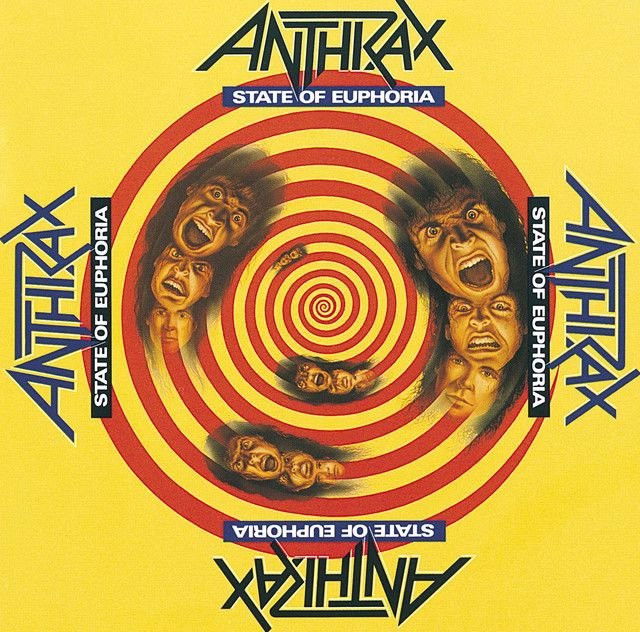
Misery Loves Company by Anthrax
A Thrash Song About Fan Obsession Gone Rotten
The meaning of Misery Loves Company Anthrax starts with a simple but chilling idea: admiration can curdle into control. On the surface, the song sounds like a violent rant from an unstable fan. Under that surface, it becomes a sharp story about entitlement, artistic ownership, and the dark side of celebrity culture.
"Misery Loves Company" - Anthrax
I can see you, I can see you, faking
I don't think you're, I don't think you're, working
Loading lyrics...
Unable to load lyrics
We're unable to display the lyrics at this time. Please try again later.
Factually, the song appears on State of Euphoria, Anthrax's fourth studio album, released in 1988. Album background notes also state that "Misery Loves Company" was based on Stephen King's Misery, the novel about a fan who traps her favorite writer. That link matters because it gives the lyrics a clear frame: this is not just random anger, but a character study in obsession.
Watch the official Misery Loves Company
music video
The Core Story Hiding in Plain Sight
The narrator speaks like a fan who thinks devotion earns power. They accuse, demand, and threaten. Early lines suggest they can spot deception, using phrases like I can hear you
and I can see you
to show paranoia and surveillance.
From there, the voice becomes possessive. The repeated plea to Write for me
is not admiration in any healthy sense. It sounds like a command. The speaker wants art created only for them, and they want every line tailored to their needs.
Interpretation: The song is less about love than ownership. The fan does not simply enjoy the artist's work; they believe they made the artist and therefore deserve total control over what comes next.
Why the Stephen King Connection Matters
Anthrax did not hide the source. Background information on State of Euphoria identifies the song as inspired by Stephen King's Misery. That makes the title especially clever. It echoes the famous saying, but it also points straight to King's story and its trapped-writer dynamic.
The lyrics mirror that setup in a few ways:
- the fan insists on exclusive access
- the artist is pressured to create on command
- criticism becomes a weapon
- devotion turns into violence
When the narrator says I'm your number one fan
, the phrase sounds fake-friendly at first. But in context, it is a threat wearing a smile. The song understands that the scariest obsession often hides inside the language of loyalty.
The Chorus Turns Suffering Into a Bond
The hook Misery loves company
is the song's emotional center. In plain terms, the narrator does not want to suffer alone. They want the person they obsess over to join them in pain.
That idea gets even harsher with Die with me
. Anthrax uses very few words there, but the meaning lands hard. The speaker is not asking for understanding. They are demanding shared destruction.
Interpretation: This chorus suggests a toxic fantasy of intimacy. If the narrator cannot be loved normally, they will create a bond through fear, guilt, or harm. The title phrase becomes a mission statement: if they are miserable, someone else must be miserable too.
A Voice Built on Entitlement and Debt
One of the song's smartest moves is how it links fandom with debt. The narrator acts as if their support built the artist's career. Later, they claim they are the one that made you
, turning appreciation into a bill that must be paid.
That is where the song becomes bigger than its horror-story setup. It taps into a real cultural tension: some fans feel close to artists, and that closeness can create unhealthy expectations. The narrator believes attention, access, and obedience are owed in return.
The image of giving too much also appears in the line about another pound of my flesh
. Paraphrased, the speaker presents their devotion as sacrifice. They have given blood, time, emotion, and identity. Because of that, they think they have earned control.
How the Sound Sells the Threat
Anthrax recorded State of Euphoria in 1988, and the album sits firmly in their thrash metal era. That matters for meaning. The fast attack, tight riffing, and aggressive vocal delivery keep the song from sounding theatrical in a soft way. Instead, it feels trapped, pressurized, and volatile.
Musically, the band was known in this period for combining sharp rhythmic stops with forward momentum. In a song about a fan closing in on a creator, that style works well. The riffs feel like pressure. The drums feel like pursuit. Joey Belladonna's voice adds a human edge, sounding more confrontational than detached.
Research on the album also notes that most of the music was composed by Charlie Benante, while Scott Ian handled the lyrics, with official song credits shared among band members. That division helps explain why the track feels both muscular and concept-driven: the music pushes the threat, and the words sharpen the character.
A Dark Track on a Complicated Album
State of Euphoria followed Anthrax's breakthrough period and reached No. 30 on the Billboard 200. It later earned Gold certification in the United States. Still, the album received a mixed response compared with the band's most praised releases.
That context is useful because "Misery Loves Company" fits the album's ambitious side. It is story-based, pop-culture aware, and willing to lean into a nasty character voice. Interestingly, album data also notes that this song was never played live by Anthrax, which gives it a kind of deep-cut mystique.
Final Take on the Song's Meaning
So, what is the meaning of Misery Loves Company Anthrax? At heart, it is a thrash-metal portrait of obsession. The song shows a fan who confuses love with possession, support with ownership, and closeness with control.
Interpretation: Anthrax uses horror language to expose a real emotional truth: people in pain sometimes try to pull others into that pain, especially when they feel ignored, rejected, or powerless. Here, fandom becomes the mask for that misery.
That is why the song still works. It is not only about Stephen King-style suspense. It is also about the frightening moment when admiration stops being admiration at all.
Disclaimer: This article offers an interpretation of the song based on the lyrics, known album context, and publicly available background information. Meanings can vary by listener.







