Wake Up by Arcade Fire: A Growing-Up Alarm
Why This Song Still Feels So Big
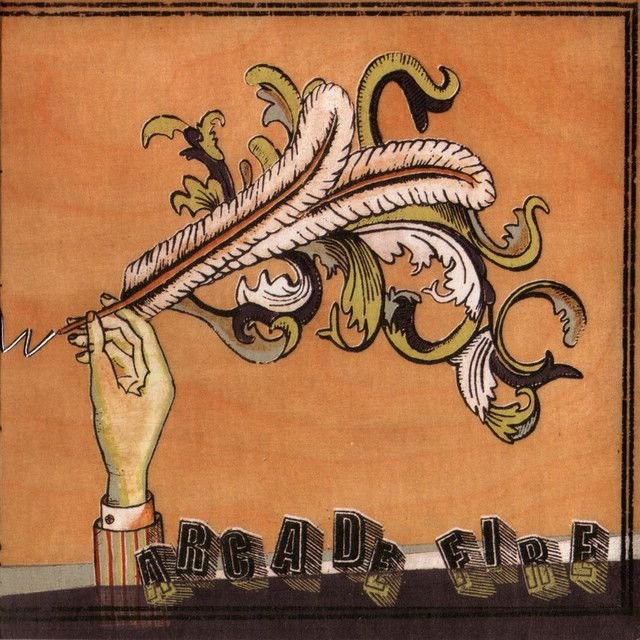
The meaning of Wake Up Arcade Fire starts with a simple tension: growing older without becoming numb. Released on the band’s debut album Funeral in 2004, the song became one of Arcade Fire’s signature tracks and a defining indie-rock anthem of the era. It was written by Win Butler, William Butler, Régine Chassagne, Tim Kingsbury, and Richard Reed Parry, and appears on the album credits documented by sources such as Discogs and AllMusic.
"Wake Up" - Arcade Fire
(Oh-oh-oh-oh-oh)
Somethin' filled up
Loading lyrics...
Unable to load lyrics
We're unable to display the lyrics at this time. Please try again later.
Even before the verses begin, the group uses a wordless group chant to create a feeling of shared emotion. It sounds like a crowd trying to remember something important. That matters, because the song is not just about one person’s pain. It is about what happens to people, together, as innocence fades and adult life hardens them.
Watch the official Wake Up
music video
At Its Core, It Is About Lost Innocence
On the surface, the lyrics move between childhood, adulthood, and mortality. The opening lines describe emotional emptiness: something has filled the heart with “nothing,” and they are told not to cry. Then the speaker says, Now that I'm older
, and the emotional change is clear. Age has brought knowledge, but not comfort.
Interpretation: the song suggests that adulthood often comes with false lessons. One of those lessons is that shutting down feelings is strength. When the singer says he can see that “it’s a lie,” the song rejects that idea. They are saying that emotional coldness is not wisdom. It is damage.
That is why the famous call to Children, wake up
lands so hard. It sounds like advice to kids, but it also sounds like a warning to adults who have forgotten how to feel. The title becomes an alarm clock for the soul.
The Chorus Turns Childhood Into a Moral Test
The chorus is the heart of the song. It asks children to face mistakes before the world turns the brightness of summer into dust. In plain terms, the song fears a future where joy, trust, and openness get worn down by time, institutions, and disappointment.
Children, wake up
Hold your mistake up
before life reduces wonder to dust.
That brief passage shows the song’s basic message without needing all the lyrics. They are not calling for perfection. They are asking for honesty. To “hold” a mistake up is to admit it, learn from it, and stay human.
The next idea deepens the point. The line our hearts get torn up
describes emotional damage as a normal part of growing older. Bodies mature, but inner life can become more fractured. This is one reason the song connects so strongly with listeners in the United States and beyond: it captures a very common adult fear that success, routine, or survival can come at the cost of wonder.
A Song About Adulthood, but Also About Society
There is also a broader social angle in Wake Up. The lyric about being a million little gods
points to human arrogance. People act powerful, but they often create chaos instead of wisdom. The image of making storms and turning good things to rust suggests a world shaped by pride, conflict, and decay.
Interpretation: this can be read as criticism of modern society, not just private emotion. The song may be asking what happens when whole communities lose their moral center. In that reading, childhood stands for openness and humility, while adulthood stands for control, damage, and compromise.
That theme fits the mood of Funeral, an album shaped by grief, family, and spiritual searching. Arcade Fire emerged from Montreal with a style that felt communal rather than polished. As profiles from outlets like NPR and Pitchfork have noted over the years, the band built a reputation on large, cathartic arrangements and emotionally direct performances. “Wake Up” is one of the clearest examples of that approach.
How the Music Carries the Meaning
The production is a big part of why the song means so much to people. It begins with that massive chant, then moves into a steady, marching groove. The guitars, drums, and group vocals build a sound that feels both intimate and stadium-sized.
That contrast supports the lyrics. The verses are reflective and wounded, but the arrangement keeps lifting upward. Instead of sounding defeated, the song sounds determined. The group vocals matter most here. A lonely idea becomes communal when many voices sing it at once.
Later, the image of lightnin' bolts a-glowin'
changes the song’s emotional temperature. Lightning can suggest danger, revelation, or sudden clarity. Then comes the mention of the reaper, which brings death fully into view. The song is not only about getting older. It is about knowing life ends, and still trying to live with feeling.
When the singer warns, You better look out below
, the line can sound playful, ominous, or both. It is as if insight has arrived from above, and now reality cannot be avoided.
Why “Wake Up” Became an Anthem
Part of the song’s lasting power comes from its openness. Listeners can hear it as:
- a plea to protect innocence
- a critique of emotional repression
- a warning about ego and social decay
- a song about facing death without going numb
That flexibility helped it travel far beyond indie rock circles. It has been used in films, trailers, sports broadcasts, and major live events, because its chorus feels instantly collective. Yet its emotional core remains personal.
The Lasting Meaning of Wake Up Arcade Fire
The meaning of Wake Up Arcade Fire is not that people should stay childish. It is that they should not let adulthood destroy their emotional truth. The song argues that pain, mistakes, and mortality are real, but becoming cold is not the answer.
Its genius is the way it turns that message into something huge and singable. They take private fear and make it communal. They turn dread into release.
That is why “Wake Up” still hits so hard: it tells listeners that growing up is unavoidable, but giving up their inner life is not.
Disclaimer: This interpretation is based on the lyrics, the song’s musical choices, and publicly available context. As with most great songs, listeners may hear meanings that differ from the ones explored here.









