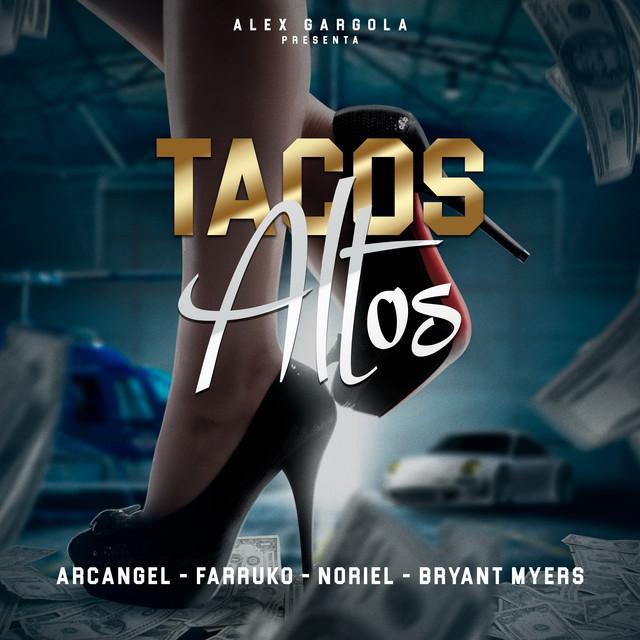
What 'Tacos Altos' Says About Power and Desire
The meaning of Tacos Altos Farruko, Arcángel, Noriel, Bryant Myers, Alex Gargolas is not subtle. The song is built around nightlife, lust, money, and performance. Its speakers do not present romance as the goal. Instead, they frame the club as a place where attraction is direct, transactional, and tied to status.
"Tacos Altos" - Farruko, Arcángel, Noriel, Bryant Myers, Alex Gargolas
Uno, dos, tres, cuatro
Ponte la ropa
Loading lyrics...
Unable to load lyrics
We're unable to display the lyrics at this time. Please try again later.
That makes the song easy to read on the surface, but there is still a deeper pattern worth noticing. “Tacos Altos” is not just about wanting someone on the dance floor. It turns clothing, movement, and cash into symbols of control. The woman is asked to get dressed up, step into the spotlight, and dance. The men answer with desire, boasts, and offers of money. Together, those parts create a picture of reggaeton and Latin trap at its most provocative: flashy, blunt, and centered on power.
Beneath the Hook: What the Song Is About
At its core, the track describes a night out where seduction is staged almost like a ritual. The opening instructions tell the woman to get ready, with phrases like ponte los tacos altos
. In plain terms, that means the song treats appearance as part of the performance before the dance even begins.
The hook keeps returning to dance, physical attraction, and exchange. When the lyric says yo tengo el efectivo
, it reduces the relationship to desire backed by money. That is one of the song’s clearest ideas: attraction here is not presented as emotional connection, but as a deal made through bodies, style, and cash.
Interpretation: The repeated focus on heels, makeup, and dancing suggests that the song sees nightlife as theater. Everyone has a role. The woman performs glamour and sexuality; the men perform wealth and dominance.

Watch the official Tacos Altos
music video
How the Verses Build the Same Message
Each featured voice pushes the same world view from a slightly different angle. Noriel leans into the fantasy of spending freely and traveling anywhere. Farruko makes the transactional side even more direct, brushing off love and focusing on paid private attention. Bryant Myers turns the tone darker and more explicit, stressing conquest over connection.
Even though the verses vary in intensity, they all support the chorus. The woman’s dancing is treated as something that can trigger obsession, while money is framed as the force that keeps the interaction moving. A short line like baila por todo lo alto
sounds celebratory, but in context it also works as a command. The party mood never fully hides the imbalance built into the song.
A Quick Narrative Map
- The song begins with preparation: clothes, shoes, makeup, and anticipation.
- The chorus moves to the dance floor, where heels and movement become the center of attention.
- The verses add offers of cash, travel, gifts, and sexual access.
- The song ends in the same place it began: performance, arousal, and bragging.
That circular structure matters. Nothing really develops emotionally. The track is designed to loop one idea over and over until it feels like a club chant.
The Chorus as the Song’s Thesis
The chorus is where the meaning of Tacos Altos Farruko, Arcángel, Noriel, Bryant Myers, Alex Gargolas becomes clearest. It takes a simple image—high heels—and turns it into the song’s main symbol. Heels suggest glamour, nightlife, confidence, and display. They also imply that the woman is dressing for a role the men want to see.
Ponte los tacos altos
Haz que me dé un infarto
These lines are exaggerated, but the exaggeration is the point. The song uses overstatement to make desire sound urgent and theatrical. In plain language, the chorus says: get dressed up, dance intensely, and provoke a big reaction.
Interpretation: The heels are not just fashion. They stand for the whole performance of adult nightlife, where appearance becomes currency.
Money, Bodies, and Control
One of the strongest themes in the song is exchange. The men describe what they want physically, then answer it with promises of spending. That pattern appears again and again. A phrase like mucho billete
is not random bragging; it is part of the song’s logic.
Instead of courtship, the track presents negotiation. Instead of vulnerability, it offers swagger. The woman is admired, but she is also objectified. The men sound confident, but their confidence depends on proving they can pay, possess, or outdo one another.
For listeners, that can land in two ways:
- as a raw club anthem built on fantasy and bravado
- as a portrait of nightlife where desire is shaped by power and money
Both readings fit the text.
Why the Production Matters So Much
The production style helps sell the message. Alex Gárgolas has long been linked to Puerto Rican reggaeton’s mixtape culture, while Farruko, Arcángel, Noriel, and Bryant Myers each helped define the trap-heavy edge of the mid-2010s Latin urban scene. Farruko’s career background is outlined by Billboard, and Arcángel’s place in reggaeton history is noted by Rolling Stone.
Musically, “Tacos Altos” uses a steady dembow-rooted pulse with trap attitude layered on top. The beat feels sparse enough to leave room for explicit lines, but heavy enough to keep the body moving. That matters because the song is about command and response: the beat gives the verses a strutting rhythm, while the hook lands like a chant meant for the club.
The performers also sound competitive. Their delivery is less about storytelling than presence. Each voice enters trying to raise the temperature, which reinforces the song’s core themes of display and dominance.
Final Read: Fantasy Over Romance
In the end, the song is not interested in tenderness. It is interested in spectacle. The lyrics use the club as a stage where sex appeal, money, and status all become visible at once.
That is the clearest meaning of Tacos Altos Farruko, Arcángel, Noriel, Bryant Myers, Alex Gargolas: it is a nightlife fantasy where desire is loud, roles are sharply defined, and power is expressed through both movement and money.
This reading is an interpretation based on the lyrics, performance, and cultural context. Different listeners may hear satire, simple party talk, or a harsher critique of objectification in the same song.








