One Point Perspective by Arctic Monkeys
The song’s strange view of modern life
Anyone searching for the meaning of One Point Perspective Arctic Monkeys is usually hearing the same thing: a song that sounds smooth and elegant, yet feels uneasy underneath. That tension is the key.
"One Point Perspective" - Arctic Monkeys
I'm gonna run for government
I'm gonna form a covers band and all
Loading lyrics...
Unable to load lyrics
We're unable to display the lyrics at this time. Please try again later.
On the surface, the narrator drifts through wild thoughts, jokes, film scenes, and half-finished ideas. They imagine fame, politics, art, and disaster almost all at once. The repeated confession lost my train of thought
makes the song feel unstable, as if the speaker cannot hold a clear line between reality and performance.
Interpretation: the song is about a mind overloaded by spectacle. It presents a person who turns everything into a scene, but cannot fully trust what they see. In that sense, the title matters: one-point perspective is a visual technique that pulls the eye toward one vanishing point, creating focus but also a slightly unnatural control. Alex Turner has linked the phrase to Stanley Kubrick’s visual style in interviews summarized by Songfacts. That idea of forced perspective fits the lyrics perfectly.

Watch the official One Point Perspective
music video
A narrator trapped between fantasy and collapse
The opening verse sounds playful, even absurd. The narrator pictures themselves run for government
and form a covers band, then suddenly shifts into a surreal conversation near a piano. These are not grounded plans. They feel like exaggerated identities tried on for a second and then dropped.
That matters because the song keeps moving from comic fantasy to social dread. In the next verse, the narrator claims to swim with the economists
, then imagines getting to the bottom of things. But instead of understanding, the world appears broken. Big national ideals and protest symbols seem worn out, and the people who emerge are thirsty for blood
.
Interpretation: Turner may be mocking the idea that modern culture can explain itself through politics, media, or expertise alone. The narrator sounds informed and detached, but also powerless. They can describe collapse better than they can stop it.
The apocalypse as background noise
One of the sharpest turns in the song comes when disaster is treated like another item on a list. The line about the apocalypse being prioritized is darkly funny because it sounds bureaucratic. Even the end of the world becomes a scheduling matter.
Just as the apocalypse finally gets prioritized
I suppose the singer must die
Paraphrased, the song suggests that once crisis becomes the main event, the performer loses their role. Entertainment cannot compete with catastrophe forever.
This is one reason the track feels so modern. It captures a culture where news, fear, image, and irony all arrive at once. The narrator is emotional, but they also seem to watch their own emotions from a distance, almost like a director reviewing a scene.
Cinema, memory, and imagined art
The third verse brings in a fake or half-remembered documentary. The narrator praises its beauty, then admits maybe it never existed. That uncertainty is central to the song’s meaning.
When they mention beautiful photography
and driving around listening to the score, they are not just talking about movies. They are showing how art can become more vivid than ordinary life. The speaker may be building a private cinema inside their head, where every feeling becomes soundtrack, image, or set design.
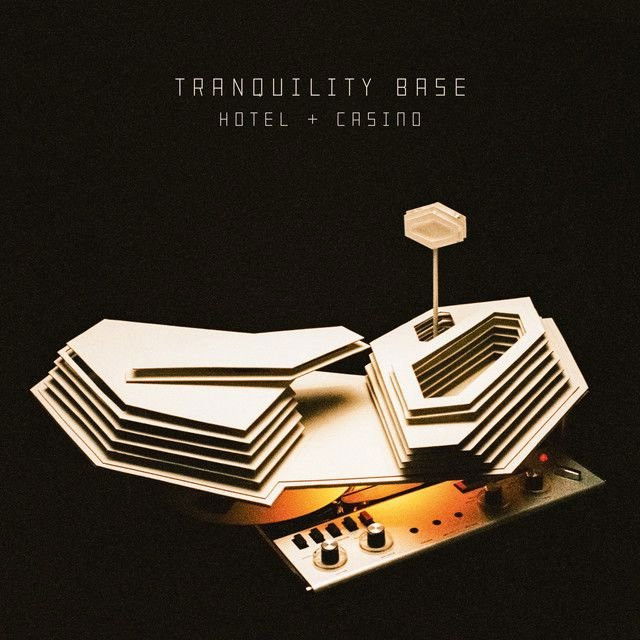
This connects strongly to the wider world of Tranquility Base Hotel & Casino, released in 2018 and described by the band’s own album materials as a concept-shaped world of lounge rooms, technology, and distance on Domino Record Co.. Songfacts also notes Turner’s references to films by Jean-Pierre Melville and other striking visual influences. That helps explain why “One Point Perspective” feels less like a linear story and more like a camera moving through disconnected yet stylish scenes.
How the sound supports the meaning
The music is crucial to understanding the song. Unlike early Arctic Monkeys records built on sharp guitar attack, this track leans on piano, soft drums, and a smoky lounge-pop groove. The arrangement glides rather than drives.
That choice changes the meaning. The smoothness makes the chaos in the lyrics feel even stranger. Instead of shouting panic, the band plays it with cool restraint. The result is a portrait of disorientation dressed up as sophistication.
Turner said much of the album was written on piano, and that this song’s jazzy section reminded him of things his father played, according to Songfacts. He also explained that many vocals were recorded alone, which shaped the intimate mood. That matters here: the performance sounds close, private, and slightly detached, like someone whispering ideas into a tape recorder at 2 a.m.
Why “quiet rooms” matters
A key factual point from Turner’s comments is the idea of “playing to a quiet room.” That image opens the song further. The narrator is theatrical, but the audience may be tiny or absent. They keep performing anyway.
Interpretation: this makes the track partly about the artist’s role in a distracted age. The singer is still creating elegant visions, even if few people are fully watching.
The clearest reading of the song
The best way to understand the meaning of One Point Perspective Arctic Monkeys is to see it as a song about perspective itself: how modern people frame the world, turn life into images, and lose certainty in the process.
Its themes include:
- performance versus sincerity
- fantasy as escape
- social breakdown in the background
- film imagery as emotional language
- loneliness inside stylish surroundings
There are other valid readings. Some listeners hear a satire of celebrity and politics. Others hear writer’s block, with lost my train of thought
acting as both a joke and a confession. Both fit the text.
In the end, “One Point Perspective” is compelling because it never fully settles. It is elegant and anxious, funny and bleak, dreamy and suspicious of dreams. That blend is exactly what gives the song its aftertaste.
Disclaimer: This interpretation combines documented context with critical reading. As with most Arctic Monkeys songs, some meanings remain open to the listener.








