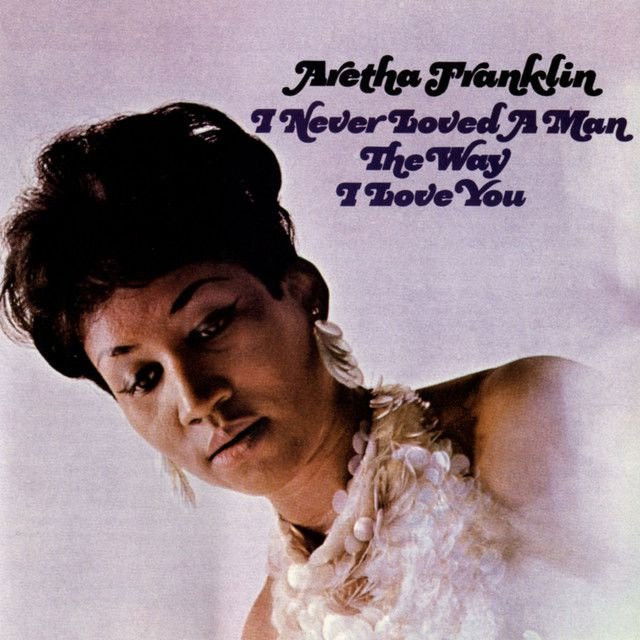
Why Aretha Franklin’s 'A Change Is Gonna Come' Still Hits
A soul standard, heard through Aretha
The meaning of A Change Is Gonna Come Aretha Franklin begins with both the song’s history and her voice. The song was written by Sam Cooke, who turned personal struggle into a statement of hope during the civil rights era. Aretha Franklin later recorded it in a way that made the message feel even more intimate, church-rooted, and emotionally raw.
"A Change Is Gonna Come" - Aretha Franklin
I once heard say
Something that touched my heart
Loading lyrics...
Unable to load lyrics
We're unable to display the lyrics at this time. Please try again later.
Factually, the song is widely understood as one of the key musical statements of the 1960s freedom movement, and Cooke’s original remains the best-known version. Franklin’s reading matters because she does not simply cover it. She shifts its center of gravity. Where Cooke sounds reflective and noble, Aretha often sounds like someone pushing through pain in real time. That difference changes how listeners hear the story.
Watch the official A Change Is Gonna Come
music video
The core meaning: pain, dignity, and belief
At its heart, the song is about living through hardship while refusing to give up on justice. The narrator describes a life marked by fear, exhaustion, and setbacks, yet keeps holding on to the belief that change will arrive. That is why the repeated promise, change is gonna come
, feels so powerful. It is not shallow optimism. It is hard-won faith.
This is what makes the song larger than one person’s story. It speaks to Black American struggle, especially under segregation and inequality, but it also works as a universal statement about surviving long seasons of suffering. The emotional movement is simple and strong: pain first, hope second, and then endurance holding the two together.
Interpretation: In Franklin’s version, that hope sounds less settled than in Cooke’s original. They seem to sing the line as something that must be believed in order to survive.
How the verses build the story
The opening image, born by the river
, gives the song a mythic and human starting point at once. The river suggests movement, history, and a life carried by forces bigger than one person. Right away, the song places the narrator in motion, not comfort.
Later lines show fear and uncertainty. The singer admits life has been hard and even death brings questions rather than peace. That makes the hope in the chorus more impressive, because it comes after doubt, not before it.
One of the most painful moments comes when the narrator seeks help and does not receive it. The image of being knocked back down suggests more than one bad day. It points to systems that keep people powerless even when they ask with humility.
It's been too hard livin'
But I'm afraid to die
Those lines capture the song’s central tension in miniature. Life is unbearable, but the unknown is frightening too. The narrator is trapped between suffering and uncertainty, which is exactly why hope becomes an act of courage.
Why Aretha’s voice changes the song
Franklin’s greatest instrument was always her phrasing. On this song, they stretch words, lean into breaks, and let certain lines sound almost like testimony. That gospel technique matters. It turns the lyric from a statement into a lived experience.
Her version also carries the authority of her background. Franklin grew up in the church and became one of soul music’s most powerful interpreters of pain, resilience, and self-respect. In live performance and on record, she often sang as if emotion and moral truth were inseparable. Readers can hear that same intensity in her wider career history and public legacy.
Interpretation: When Aretha sings this song, the message can feel gendered in a new way too. The plea for help, the survival through disrespect, and the rise toward self-belief may sound especially vivid coming from a Black woman artist who made dignity a central part of her work.
The sound of struggle and uplift
Production and arrangement play a big role in the meaning. Like many classic soul recordings, Franklin’s version uses swelling instrumentation to mirror emotional ascent. Organ, rhythm section, and orchestral accents do not just decorate the lyric; they help dramatize it.
The song often begins with restraint, then grows broader and more forceful. That arc mirrors the emotional journey from isolation to conviction. When the arrangement lifts under the chorus, it feels like the music itself is trying to carry the singer forward.
This is one reason the song remains effective across versions. The structure is built around pressure and release. Quiet confession gives way to a larger communal feeling, as if private pain is becoming public truth. For historical context on the song’s origin and Cooke’s authorship, the ABKCO overview is useful.
Civil rights context without reducing the song
The song is inseparable from civil rights history, but it should not be flattened into a slogan. Its power comes from how personal it is. Instead of speaking in abstract political language, it focuses on fear, weariness, prayer, and persistence. That is why it still reaches listeners who may not know every detail of the era.
At the same time, history deepens the meaning. Cooke wrote during a period of intense racial conflict and activism in the United States. Franklin, as a major Black artist with deep ties to gospel and freedom-era culture, gave the song another layer of authority. In her hands, the promise of change sounds not only desired but morally necessary.
The lasting takeaway
The meaning of A Change Is Gonna Come Aretha Franklin is ultimately about hope that survives reality instead of denying it. The song does not pretend struggle is brief or fair. It says the road is long, the hurt is real, and people still choose to believe in a better day.
That is why the performance endures. Franklin sings not like someone borrowing an anthem, but like someone entering its truth and making it present again.
Disclaimer: This interpretation blends documented context with informed critical reading. As with any song, individual listeners may hear different shades of meaning.








