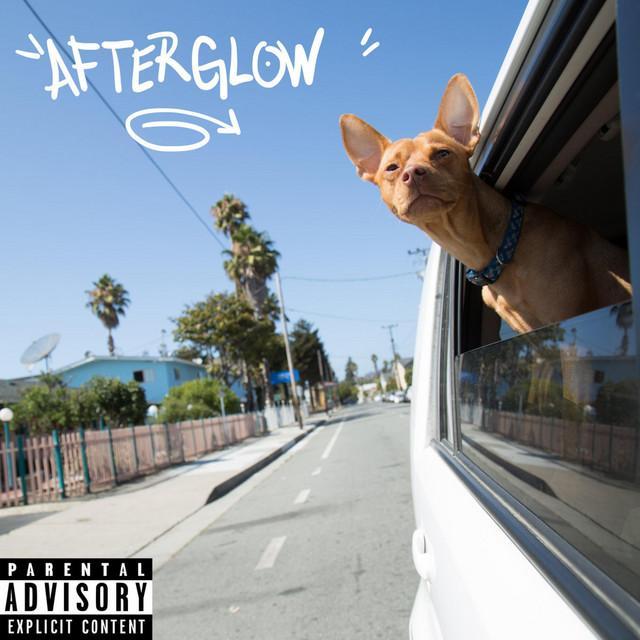
Eulogy by Art Morera
The meaning of Eulogy Art Morera starts with a bold image: success can feel thrilling, but it also feels unstable. In this song, they present a rapper who is moving fast, talking tough, and measuring the cost of ambition in real time. The title sounds funerary, yet the track is not about literal mourning alone. It uses the idea of a eulogy as a warning, a power move, and a reminder that fame can turn into downfall.
"Eulogy" - Art Morera
Places to go
People to see
Loading lyrics...
Unable to load lyrics
We're unable to display the lyrics at this time. Please try again later.
The Core Message Hiding Inside the Threat
On the surface, the song sounds like a flex record. They brag about travel, money, style, and unique talent. That energy matters because it builds the speaker as someone who refuses to be ignored. When they say I'm too legit
, the line is not just confidence. It is a claim to authenticity in a scene they see as fake, shallow, or predatory.
But the song’s deeper point is darker. A “eulogy” usually honors someone after death, and here it becomes a metaphor for ending careers, reputations, or illusions. When they repeat your name on it
, the threat lands in two ways: enemies can be erased, and anyone chasing image over truth may write their own downfall.
Interpretation: the song treats competition like a life-or-death contest, but it also suggests spiritual danger. The speaker is not only attacking rivals; they are fighting the pressure to become empty.
A Rapper Split Between Ambition and Self-Protection
The verses keep shifting between swagger and anxiety. That mix is key to the meaning of Eulogy Art Morera. They boast about being fresh off flights and ready to move a crowd, then suddenly admit life feels portable and fragile, as if everything they own could fit into luggage.
That image of a life packed into a bag turns achievement into something unstable. It suggests rootlessness. The more they gain, the less settled they seem.
They also talk about doing what they can before it's too late
. That phrase changes the song’s emotional center. Beneath the bravado is a person who feels time pressing down on them. Success is urgent because it may disappear.
Street Danger, Industry Fakery, and Public Performance
Early in the song, they describe people acting casually in the face of danger, almost turning violence into a photo moment. That detail makes the world of the song feel morally numb. People are not shocked; they are performing.
This idea returns in lines about puppet shows, dream-selling, and low-rank teams. The speaker sees a culture built on image management. They do not trust handlers, opportunists, or anyone trying to package them.
That is why the title works so well. A eulogy is a speech about someone after the fact. In this song, it becomes the final summary of a false life. If others are living for attention, then the speaker is ready to expose how hollow that attention really is.
The Hook Turns Boasting Into Judgment
The chorus is simple and effective because it repeats the title until it starts to feel unavoidable. The phrase Eulogy
is catchy, but it also sounds heavy, almost ritualistic. Then the warning becomes clearer with You don't wanna see
and the repeated idea of a name attached to that eulogy.
You don't wanna see
your name on a eulogy
This is the article’s only extended lyric quote, and even here the meaning is broader than a direct threat. It warns against failure, spiritual collapse, and becoming another cautionary tale. The hook turns the song from celebration into judgment.
Nature, God, and Ego Pull the Song Deeper
The most revealing section comes later, when they move away from pure flexing and talk about God, evil, ego, and time spent on a mountain in California. That shift adds depth. They are no longer just battling rivals; they are wrestling with themselves.
The lyric about listening to ego on a mountain is especially telling. A mountain usually suggests retreat, perspective, or clarity. Yet instead of peace, they hear their own ego. That means escape does not automatically bring wisdom. The self comes along too.
They also ask for deliverance from evil. That makes the track feel almost like a prayer hidden inside a diss record. Interpretation: the song may be about the fear that ambition can become idolatry. They want greatness, but they do not want to lose their soul getting there.
How the Sound Supports the Meaning
Even without full production credits, the lyric writing points to a hard-edged rap performance style: clipped boasts, quick pivots, repeated hook lines, and a forceful cadence. The beat likely works as a frame for pressure rather than comfort. This kind of song depends on rhythm that can support both intimidation and urgency.
The repeated hook probably hits like a chant, which matters. A chant can sound triumphant, but it can also sound ominous. That dual effect matches the writing.
Art Morera is credited as the writer in the provided context, and listeners can compare the track’s presentation with the artist’s pages on Spotify and Apple Music. Those platforms help place the song within their broader style, though the meaning here comes most clearly from the lyrics themselves.
Final Reading: A Warning Disguised as a Victory Lap
In the end, the meaning of Eulogy Art Morera is about more than winning. They frame success as a test of identity. Rivals, fame, and false friends all appear dangerous, but ego may be the biggest threat of all.
So the song works on two levels at once:
- a competitive rap statement aimed at doubters
- a reflection on how fast ambition can turn corrosive
- a warning not to confuse image with worth
That tension is what makes “Eulogy” interesting. It sounds like domination, but underneath it sounds like survival.
Disclaimer: This interpretation is based on the lyrics provided and publicly available artist context. Like most songs, “Eulogy” can support more than one valid reading.







