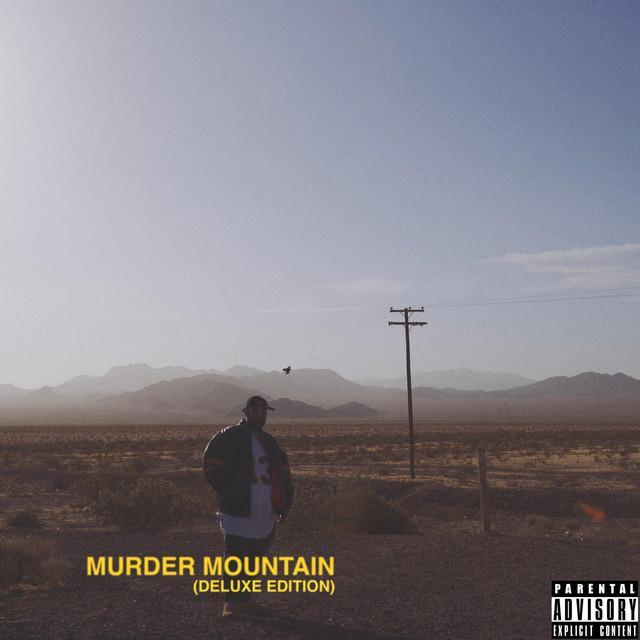
Florida Man by Art Morera
A roadside myth with a real human core
The meaning of Florida Man Art Morera starts with a joke and ends somewhere sadder, stranger, and more revealing. On the surface, the title plays with the famous internet stereotype: the reckless, chaotic “Florida Man” from wild headlines. But the song turns that meme into a self-portrait.
"Florida Man" - Art Morera
Found a chink in my armor, want it, a link's in the comments
Don't want to think about my problems, by the time you blink, I'll be gone
Loading lyrics...
Unable to load lyrics
We're unable to display the lyrics at this time. Please try again later.
Rather than simply mocking that image, they use it as a mask for fear, regret, and restless motion. The narrator sounds like someone driving away from a former life, half-laughing at their own legend while also wondering if that legend is killing them.
What the song is really about
At its core, this is a song about self-mythology. The narrator builds a dramatic version of themself—part outlaw, part drifter, part doomed hero—and then questions whether that image hides pain they never resolved.
They bounce between memories of childhood, scenes from the road, jokes about fame, and images of death. That messy structure matters. It mirrors a mind that cannot settle down. When they say Florida man
, the phrase sounds less like a punchline and more like a label they are both claiming and resisting.
Interpretation: the song suggests that identity can become a trap. If people expect chaos from someone, they may start performing that chaos, even when it hurts them.
How the verses connect memory, escape, and doom
The opening section moves quickly from drinking and sinking to childhood memories. They remember small objects, family details, and secret places from youth. That shift gives the song emotional weight. Beneath the swagger, there is longing for a simpler time before money, guilt, and self-destruction took over.
Then the song turns toward dream logic. A violent vision in a van, a beeping alarm, and a cold morning blur together. The result feels like a near-death experience without a clear line between dream and waking life. When the narrator asks Wait, where am I
, the confusion is physical, but also spiritual.
That uncertainty keeps growing. California becomes a destination, but also a symbolic afterlife. It is the place they run toward and the place where they imagine they die. In that sense, the trip west is not just travel. It is a fantasy of transformation that may end in erasure.
Why the chorus matters so much
The chorus is simple, but it reframes everything around it. The line about dying in California and hoping the story starts with Florida man
turns public image into an obituary.
That is a sharp idea. It suggests the narrator knows how the world reduces people to a headline. A life full of memories, family, ambition, fear, and spiritual searching could be flattened into one lurid phrase.
I died in California
Hope the headline began
with Florida man
In that brief hook, the song asks who gets to tell a person’s story: the person, the media, or the myth.
Symbols that keep returning
Several images carry the song’s meaning.
The van, the road, and the border of self
The van is more than transportation. It acts like a moving confession booth. The narrator thinks, dreams, panics, and prays there. They even describe the steering wheel like a partner making a pact. Movement becomes identity. If they stop driving, they may have to face themself.
Florida and California as opposing myths
Florida stands for origin, reputation, and mess. California stands for reinvention, fame, and illusion. The narrator moves between those poles, unsure whether they are escaping one myth or entering another.
Omens, birds, and death imagery
Ravens, sparrows, bullet holes, disease, and warnings all pile up. These details create a haunted atmosphere. The narrator seems to believe signs are everywhere, yet they keep moving anyway. That tension gives the song its nervous energy.
Sound and delivery: why the performance feels unstable
Even without official production notes, the writing points to a track built for momentum. The long, tightly packed bars suggest a rap-driven performance with breathless flow. That style matters because it sounds like thought racing ahead of emotion.
The rhymes tumble forward in clusters, often using internal rhyme and quick pivots. That creates a feeling of mental overload. There is wit, but the wit never fully relaxes the tension. Instead, jokes about internet culture and pop references sit beside prayer, family memory, and dread.
Interpretation: if the beat is sparse or rolling underneath, that would make sense for the lyric’s road-movie mood. A steady groove would let the voice carry the instability, turning the track into a moving monologue.
The artist context behind the storytelling
The available lyric credit identifies Arthur Morera as the writer. That matters because the song feels highly authored, packed with specific memories and personal turns of phrase rather than generic tough talk. Readers can see more context through Art Morera credits and the artist’s Spotify profile, though public background details appear limited.
That limited context makes the song itself the main evidence. It presents an artist interested in autobiography, but not in a clean, documentary way. They dramatize the self. They turn memory into legend, then poke holes in the legend.
The strongest interpretation of the ending
By the end, the narrator sounds exhausted but still defiant. They think about fortune, fame, family, God, and destiny all at once. Even a line like thinking of fasting
points to purification, as if the road trip might become a spiritual test.
The repeated final chant of Florida man
can be heard two ways. Interpretation one: it is surrender, accepting the role the world has assigned. Interpretation two: it is reclamation, taking a mocking label and filling it with real pain, humor, and humanity.
The second reading is more compelling. The song does not deny the chaos. It humanizes it.
Final takeaway
The meaning of Florida Man Art Morera lies in the gap between meme and person. It is about how a reckless public image can hide childhood memory, spiritual hunger, loneliness, and fear of dying unnoticed or misunderstood.
What makes the song stick is that they never fully solve that conflict. They keep driving inside it.
Disclaimer: This interpretation is based on the lyrics and publicly available artist information, and other listeners may reasonably hear the song differently.








