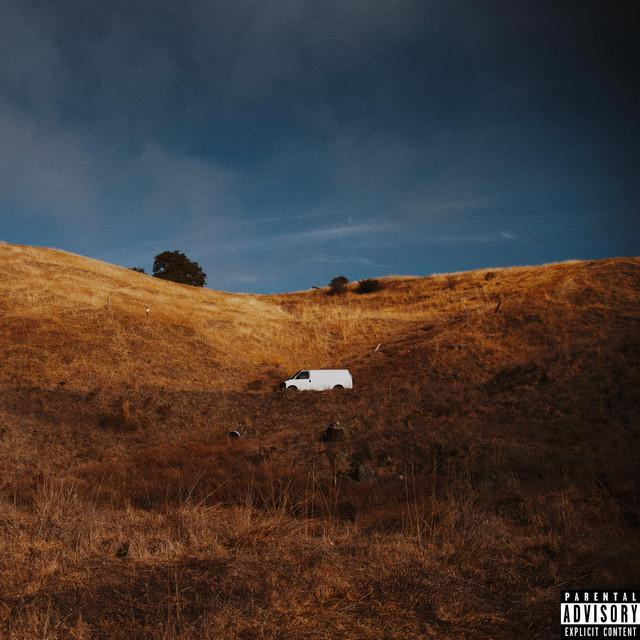
Living the Dream by Art Morera
Art Morera’s “Living the Dream” is not a simple celebration song. The meaning of Living the Dream Art Morera centers on craving: craving escape, craving success, and craving the feeling music gives back when life feels unstable. The track uses the language of addiction to compare drug use with artistic obsession, showing how both can grow from pain, hunger, and the need to feel in control.
"Living the Dream" - Art Morera
Everyone is addicted to something
Nowadays all of us wanna buzz, me too, I ain't frontin
Loading lyrics...
Unable to load lyrics
We're unable to display the lyrics at this time. Please try again later.
Rather than acting proud from start to finish, they sound honest about the cost. The song keeps asking what “the dream” really means when a person is still carrying loneliness, pressure, and old survival habits.
The Hook Sounds Easy, But the Story Does Not
The chorus first sounds relaxed. Phrases like livin' the dream
and smoke one by myself
suggest a laid-back victory lap. But the lines around them change that mood.
The song ties that private high to memory and hardship, especially when the narrator thinks about no place to go
. That detail makes the chorus sadder than it first appears. They are not just enjoying success. They are trying to soothe wounds that success did not erase.
Interpretation: this is the song’s central twist. “Living the dream” is partly sincere and partly ironic. The dream came with scars, and the hook exposes both at once.
Addiction Is the Main Metaphor
From the opening, the song says nearly everyone is attached to something. That idea broadens the topic beyond drugs. Art Morera presents addiction as a human pattern: people chase chemicals, money, attention, status, and emotional relief.
The imagery grows sharper with references to fantasy and danger, including white rabbit
and chasin' the dragon
. Those phrases point to illusion and pursuit. The high always seems close, but it keeps moving.
In the song, music itself becomes part of that cycle. They describe getting pulled into rap the way a user gets pulled into a habit. That does not mean music is treated as evil. Instead, the track shows how passion can become compulsive when someone needs it to survive emotionally.
Rap Becomes Purpose, Not Just Escape
One of the strongest sections explains how deeply rap shaped the narrator early on. They recall hearing Eminem and feeling transformed, then imagining a future in the craft long before money mattered. That memory gives the song heart.
This is important to the meaning of Living the Dream Art Morera because it separates shallow ambition from real calling. They are not describing fame as a costume. They are describing music as the first thing that made life feel possible.
There is also a sharp tension here. The same passion that gives direction also becomes another craving. The narrator does not hide that problem. They admit to obsessing over songs, samples, features, and progress until the process starts to look like dependency.
A Short Timeline of the Song’s Inner Story
- They begin by saying everyone chases something.
- They connect that idea to drugs, fantasy, and social status.
- They shift into childhood and early rap inspiration.
- They describe relentless work and creative obsession.
- The chorus returns to loneliness and self-medication.
That structure matters. It moves from social commentary to autobiography, then lands on a hook that sounds personal instead of generic.
The Homelessness Detail Changes Everything
The most revealing emotional thread is the memory of having nowhere to go. That line reframes the weed imagery and the dream language. Without it, the song could sound like a standard rap track about getting high and grinding. With it, the track becomes a story about coping after instability.
The song suggests that ambition did not come out of comfort. It came out of lack. They wanted music to feed their family and to build a life that felt safer than the one behind them.
Interpretation: the song may be saying that some addictions are born from emptiness. The drive to make art, to earn, to numb out, and to prove oneself can all grow from the same broken place.
Sound and Delivery Support the Theme
Even without full production credits provided here, the writing points toward a hip-hop track built on repetition, groove, and a sticky chorus. That matters because repetition is part of the meaning. A repeated hook mirrors repeated urges.
The verses likely carry more dense phrasing and internal rhyme than the chorus. On the page, the writing jumps fast from image to image, which creates a restless feeling. That mental speed fits a narrator who cannot fully settle down.
There is also humor in the delivery, including self-mocking lines and wild references. That humor keeps the song from becoming heavy-handed. It sounds like someone aware of their own chaos, laughing at it while still trapped inside it.
Two Strong Readings of the Song
The first reading is the most direct: this is a song about addiction in a broad modern sense. Drugs are present, but so are fame, music, and validation.
The second reading is narrower and more emotional: this is a song about what success cannot fix. Even if the dream starts to arrive, the person who suffered before it still rides home alone with their thoughts.
Both readings fit because the song never fully separates intoxication from ambition. That blur is what makes it compelling.
Why the Song Sticks
What makes “Living the Dream” memorable is its refusal to fake a clean victory. Art Morera writes like someone who knows desire can save a person and wear them down at the same time. The dream is real, but so is the damage carried into it.
For listeners searching for the meaning of Living the Dream Art Morera, the clearest answer is this: it is a song about survival through obsession. Music gives the narrator purpose, but the song also asks whether any dream is safe when it becomes the next thing they need just to feel whole.
Disclaimer: This interpretation is based on the lyrics provided and general musical reading. Song meaning can remain open, and listeners may hear different shades of intent.








