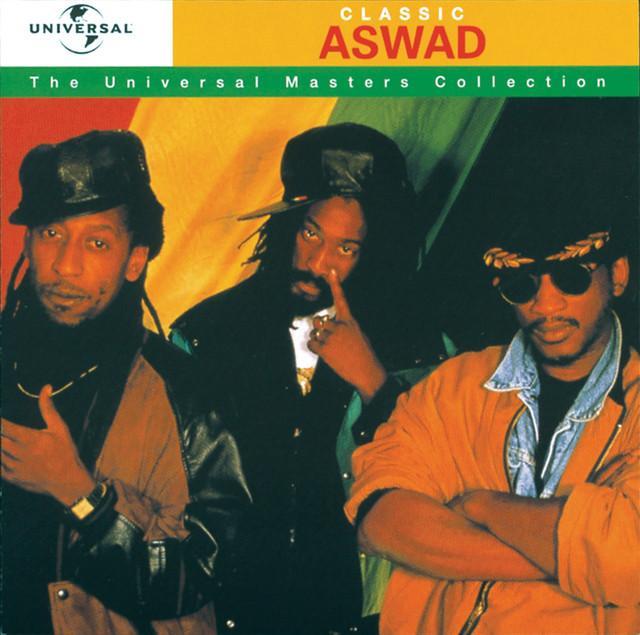
Don't Turn Around by Aswad
A breakup song built on pride
The meaning of Don't Turn Around Aswad is simple on the surface and surprisingly sharp underneath. It is a breakup song about someone trying to act strong while a relationship falls apart. They tell the other person to leave, but they also reveal how badly the separation hurts.
"Don't Turn Around" - Aswad
If you wanna leave, baby
I won't beg you to stay
Loading lyrics...
Unable to load lyrics
We're unable to display the lyrics at this time. Please try again later.
That tension is the whole point. The singer sounds brave, even cool, saying they will survive and be fine. But the title command, don't turn around
, shows the truth: they are not okay at all. They just do not want the departing lover to witness the damage.
In plain terms, the song is about heartbreak mixed with pride. It is not a speech of freedom or revenge. It is the voice of someone losing control and trying to keep one last piece of dignity.
Watch the official Don't Turn Around
music video
Who is speaking, and what do they want?
The narrator speaks directly to a lover who is walking away. They claim they will not beg, and they insist the breakup may even be for the best. Yet almost every line pushes against that claim.
When they say I won't beg you to stay
, the line sounds firm. But the song keeps circling back to pain, which makes that firmness feel like a mask. The narrator wants two opposite things at once: they want the person gone, and they want them to understand how much the goodbye hurts.
That contradiction gives the lyric its emotional pull. Instead of a dramatic plea on their knees, the song gives listeners a more believable scene: somebody standing at the door, trying not to fall apart in public.
The chorus is the emotional key
The chorus explains why the verses matter. The singer is not only losing love; they are trying to control the image of that loss. They can accept being left, but they cannot bear being seen in their weakest moment.
Don't turn around
I don't want you seeing me crying
This is the song's central image. The departing person has physical power because they are the one leaving. The narrator tries to reclaim emotional power by setting one final rule: keep walking.
Interpretation: this makes the song less about stopping a breakup and more about preserving self-respect. Even the line just walk away
sounds like an order meant to hide desperation.
How the verses build that feeling
The verses move through three stages:
- Brave talk: the narrator says they will cope.
- Cracks in the act: they admit the breakup is tearing them apart.
- Hidden truth: they wish they could say they still love the person and want them to stay.
That structure matters. The song does not begin with collapse. It begins with emotional performance. Only later does the listener hear what is underneath.
A key detail is the repeated promise that they will be strong and survive. Those words are meant as reassurance, but they sound almost too rehearsed. The more the singer repeats them, the less convinced they seem. This is a common breakup defense: if they say it enough times, maybe it will become true.
Why Aswad's version hits differently
Aswad did not write the song, but they gave it its most famous early identity. According to Wikipedia, their version was released in 1988 as the lead single from Distant Thunder, produced by Chris Porter and Aswad, and it became the group's first UK No. 1 after 13 years together.
That success matters because the arrangement changes how listeners feel the lyric. Diane Warren, one of the writers, told Songfacts that she wrote it as a rock ballad and praised Aswad's reggae-style remake. Her comment helps explain why the song works in two emotional modes at once.
Aswad's recording wraps pain in a smoother groove. The beat is relaxed, the bass is warm, and the production has a light reggae-pop sway. Instead of making the heartbreak heavier, the band makes it more controlled. That musical calm mirrors the narrator's attempt to stay composed.
Sound as meaning, not just style
The instrumentation is a big part of the song's message. A rock-ballad version would naturally push the lyrics toward open anguish. Aswad's reggae-fusion approach does something smarter: it lets sadness move with restraint.
The steady rhythm suggests the singer is keeping themselves together one beat at a time. The melody remains catchy and accessible, which creates contrast with lines about breaking down. That contrast is why the song feels bittersweet rather than tragic.
There is also a communal quality in Aswad's sound. Even though the lyric is private and personal, the groove makes it shareable. Listeners can dance to it, sing along, and still feel the hurt. That balance likely helped the song cross into pop radio while keeping its emotional core.
A few alternate readings
Interpretation: one reading sees the song as a pure plea for dignity. The singer knows the relationship is over and is only asking for privacy in grief.
Interpretation: another reading is more strategic. By saying do not look back, the narrator may hope the departing person will do exactly that. In other words, the command could be a last attempt to provoke regret.
Both readings fit because the lyric lives in mixed motives. People in breakups often speak from pride and hope at the same time.
Why the song lasts
The meaning of Don't Turn Around Aswad still connects because it captures a very common moment: acting stronger than they feel. Nearly everyone understands the wish to hide tears from the person who caused them.
Aswad's version lasts because it pairs that feeling with a memorable, easy-flowing sound. The song is hurt set to rhythm, pride set to melody, and heartbreak delivered with just enough control to make it unforgettable.
Disclaimer: This interpretation separates documented facts from informed reading. Like most pop songs, its meaning can shift from listener to listener.








