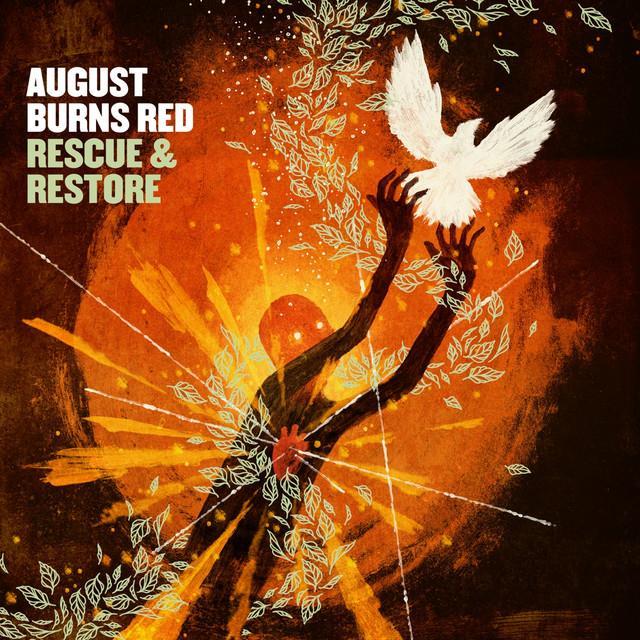
Fault Line by August Burns Red
Where the Song’s Heart Really Lands
The meaning of Fault Line August Burns Red comes down to shared suffering and responsible compassion. The song is about standing beside people in pain, listening to what they carry, and reminding them that hope still exists.
"Fault Line" - August Burns Red
Their dreams, their desires, they consume me
The good, the bad, the ugly aren't too much to take
Loading lyrics...
Unable to load lyrics
We're unable to display the lyrics at this time. Please try again later.
Rather than painting the speaker as a savior, the lyrics keep returning to humility. They offer help, but they also draw a line. The speaker can listen, encourage, and absorb some of the emotional shock, yet they cannot live someone else’s life for them.
That balance is what gives the song its power. It is not a fantasy of rescue. It is a statement about presence.

Watch the official Fault Line
music video
A Band Built for Intensity and Encouragement
August Burns Red are a metalcore band from Lancaster, Pennsylvania, active since 2003, with a long-running lineup built around JB Brubaker, Brent Rambler, Matt Greiner, Jake Luhrs, and Dustin Davidson, according to publicly available band history. They are widely known for technical riffs, hard breakdowns, and lyrics that often carry a positive push beneath the aggression.
That context matters here. The band have often been described as writing songs that encourage listeners rather than simply overwhelm them with darkness. In coverage of the band’s lyrical outlook, “Fault Line” has been cited as an example of that positive message.
The Opening Turns Private Pain Into Common Ground
The song begins by making suffering universal. When it says We all hurt
and later repeats we all bleed
, it is not trying to be poetic for its own sake. It is reducing distance between people.
The point is simple: pain is not a personal failure. Everyone has wounds, needs, and moments of collapse. By starting there, the song removes shame from the conversation.
That opening also frames the rest of the lyrics. The speaker is not talking down to someone weaker. They are speaking from inside the same broken human condition.
The Speaker Offers Presence, Not Control
One of the clearest ideas in the song is companionship. The line Stand here with me
shows that the answer is not isolation. The person in crisis is asked to stay present, to endure the moment with someone else nearby.
This becomes even stronger in the song’s listening language. The speaker wants to hear the other person’s grief, fears, and stories. They are not trying to silence hard emotions. They are making room for them.
Whisper your grief
Scream your sorrow
Proclaim your love
This short passage captures the emotional range of the song. Quiet pain, explosive pain, and even love all belong in the same human struggle. Healing starts when those feelings can be spoken instead of buried.
Why “Don’t Call Me Your Hero” Matters
The most important twist may be the refusal of praise. When the speaker says don't call me your hero
, they push back on a common emotional trap.
Interpretation: the song suggests that support becomes unhealthy when one person is turned into a rescuer figure. That kind of dependence can feel comforting, but it keeps the hurting person from owning their next step.
This is why another key idea is that “this is your time.” The speaker wishes they could do more, but they cannot complete another person’s healing journey for them. The song respects agency. It says support is real, but recovery still asks something of the sufferer.
The Title Suggests a Breaking Point
Though the word “fault line” does not appear in the lyrics provided, the title gives the song an important metaphor. A fault line is a hidden fracture under pressure. It may stay unseen for long periods, but stress keeps building until something shifts.
Interpretation: in the song, that image fits emotional crisis. Trauma, grief, depression, and fear can sit below the surface until life starts to split open. The speaker is standing near that rupture, trying to help the other person survive it.
That reading fits the repeated contrast between horror and hope. The song does not deny damage. It says the damage is real, but it is not the end of the story.
How the Music Carries the Message
August Burns Red’s style helps sell this meaning. Their music is usually driven by tight guitar work, fast and complex drumming, and sudden dynamic shifts. In a song like this, those traits can mirror the experience of inner pressure.
The heavy sections feel like emotional overload. The more melodic or anthem-like moments feel like release. That back-and-forth makes the message believable: pain is intense, but hope is not weak.
Jake Luhrs’ vocal approach is important too. His harsh delivery keeps the song from sounding soft or sentimental. Instead, the encouragement feels earned, like it has already passed through anger and despair before arriving at resolve.
A Song About Community, Not Perfection
Another strong idea in the meaning of Fault Line August Burns Red is that healing is collective. The repeated movement from “I” to “we” matters. The song starts with personal burden, then expands into a wider statement: nobody suffers alone, even when they feel alone.
That final emphasis on hope is crucial. Hope is not presented as easy optimism. It is more stubborn than that. It survives because people keep speaking, listening, and staying present with one another.
For listeners, that may be why the song lands so deeply. It does not promise that pain will vanish. It promises that pain can be shared, named, and endured.
The Lasting Meaning of “Fault Line”
At its core, “Fault Line” is about what compassionate support should look like. It should be honest, humble, and strong enough to hear terrible things without pretending to fix everything.
Interpretation: the song argues that the best help is not heroic rescue. It is faithful presence. That idea gives the track its emotional weight and its staying power.
Disclaimer: This article offers an interpretation of the song based on the lyrics provided, the band’s public context, and the music’s style. Different listeners may hear the song differently.







