This Means War by Avenged Sevenfold
A march into inner conflict
The meaning of This Means War Avenged Sevenfold centers on conflict, but not only the kind fought on a battlefield. The song presents war as a mental and moral struggle. They frame the speaker as someone trapped between guilt, rage, fear, and self-destruction. Even when the language sounds military, the deeper message points inward.
"This Means War" - Avenged Sevenfold
Feel this weight of sin hammering away
Die, with the guilt of a thousand AWOL soldiers
Loading lyrics...
Unable to load lyrics
We're unable to display the lyrics at this time. Please try again later.
That reading fits the song’s repeated hook, This means war
. In plain terms, the chorus turns a private crisis into total combat. The speaker is not describing a small problem. They are admitting that life has become a full-scale fight against the darkest parts of the self.

Watch the official This Means War
music video
The voice in the song sounds damaged and cornered
From the opening lines, the narrator hides, carries shame, and feels chased by past actions. Short phrases like harbor in the shadows
and weight of sin
show someone withdrawing from the world while also feeling crushed by conscience. They are not at peace. They are on the edge.
This matters because the verses keep moving between guilt and aggression. One moment the speaker sounds broken; the next, they sound dangerous. When they mention a loaded gun
, the image is not subtle. It suggests readiness for violence, but also the fear that violence has become the speaker’s only language.
Interpretation: The song may be about a person becoming what they hate. They know they are slipping, but they cannot stop it. That tension gives the track its force.
How the lyrics build the song’s themes
Guilt turns into identity
A key theme is how guilt stops being a feeling and becomes a personality. The speaker says they cannot continue as they are, then admits that the “ugly” side has grown strong. That is a major shift. Instead of saying they made a mistake, they sound like they have been remade by that mistake.
The line about the speaker having left themselves long ago deepens this idea. They suggest that their true self is already gone. The pain is no longer temporary. It has become a condition.
Isolation makes the war worse
The song also pushes hard on loneliness. In the bridge, the speaker lists what they do not have: no home, no person to help, no future promise, no one to hear them. That section is one of the clearest emotional moments in the track.
No home to call my own
No finding someone new
No one to break the fall
No one to see me through
This is not just sadness. It shows why the “war” feels unwinnable. The speaker has lost community, belonging, and even a reason to keep fighting.
Why the military imagery matters
The song uses soldiers, flags, regimes, and battle language throughout. On the surface, that could sound like a literal war song. But the emotional details point elsewhere. Terms like mental holocaust
and new regime
suggest a mind under hostile control.
Interpretation: The military imagery works as a metaphor for authoritarian thoughts. Fear gives orders. Guilt enforces them. The self becomes occupied territory.
That makes the chorus stronger. When they repeat This means war
, they may be naming the moment when inner damage stops being manageable and becomes a total takeover.
The sound helps tell the story
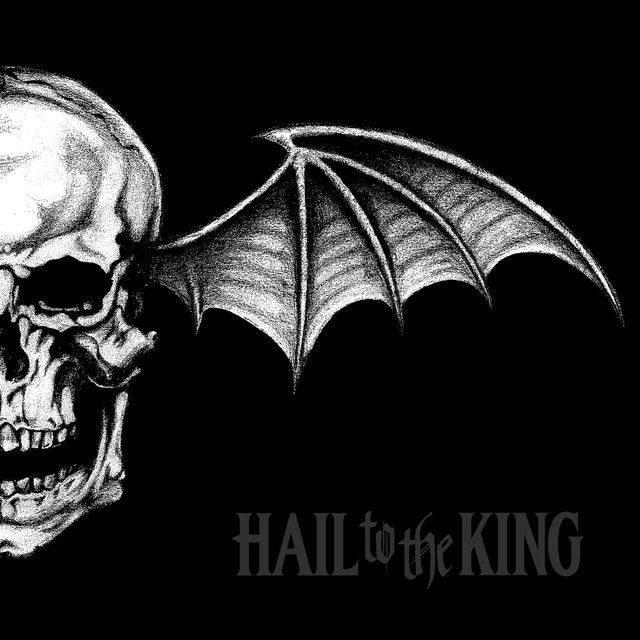
“This Means War” appears on Hail to the King by Avenged Sevenfold, released in 2013, an album the band described as focused on classic, stripped-back heavy metal and hard rock forms. Those album details are documented by Warner Records and major music databases like AllMusic. The production style matters to the meaning.
The riff is blunt, repetitive, and stomping. The drums move like a march. That gives the song a militarized feel before the listener even studies the words. Instead of sounding chaotic, it sounds controlled, which is important. This is not panic in a loose form. It is panic locked into discipline.
M. Shadows delivers the vocal with force rather than fragility. They do not sing these lines like a confession whispered in private. They project them like commands shouted across a field. That contrast makes the song hit harder. The speaker is clearly hurt, yet they express that hurt through power.
Context around the song and reception
The song was written by Brian Haner, Jonathan Seward, Matthew Sanders, and Zachary Baker, as provided in the song information here. It belongs to the rock and heavy metal lane that shaped Hail to the King. Reviews at the time often noted the album’s debt to older metal acts, especially in its simpler riffs and anthem-style hooks, including coverage from outlets such as Rolling Stone and Loudwire.
That context helps explain why “This Means War” feels so direct. Avenged Sevenfold were not aiming for dense poetry here. They built a giant chant around a single emotional state: being under siege.
A few strong ways to read it
There is more than one fair reading of the song:
- Psychological reading: It is about depression, guilt, anger, and self-alienation.
- Political reading: It hints at propaganda, fear, and submission to destructive authority.
- Personal downfall reading: It tracks someone becoming ruled by impulses they know are wrong.
These readings can coexist. The lyric walk the razor's edge
supports that ambiguity. The speaker seems trapped between survival and collapse, reason and impulse, control and surrender.
The simplest takeaway
The meaning of This Means War Avenged Sevenfold is that a person can feel invaded by their own worst thoughts until life starts to feel like combat. The song turns guilt, isolation, and anger into battlefield images, then backs them with music that marches like an army.
For many listeners, that is why the track connects. It is not subtle, but it is honest about how extreme inner struggle can feel. Interpretation: the song’s real enemy is not another nation or army. It is the self at war with itself.
Disclaimer: This interpretation is based on the released lyrics, song credits, and publicly available album context. Like many songs, it can support more than one meaning.









