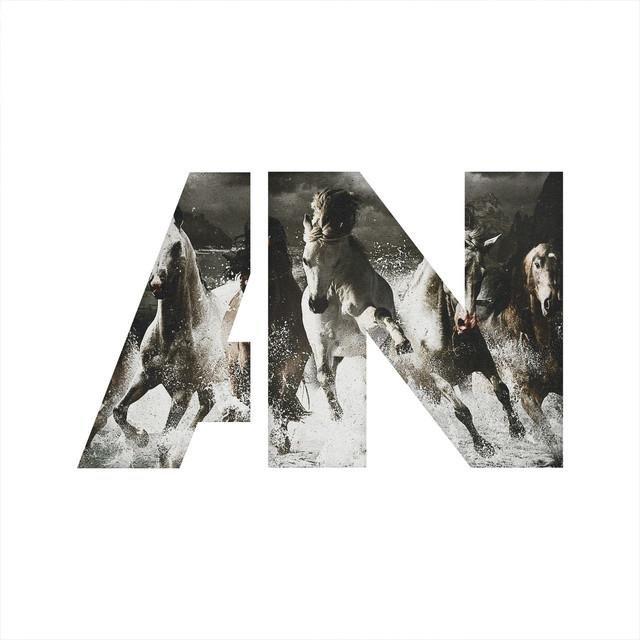
Run by AWOLNATION
They come to “Run” expecting a chase. What they get instead is a mirror. The song’s speaker says, in stark repetition, I am a human being
and capable of doing terrible things
. The meaning of Run AWOLNATION lives in that tension—between self-knowledge and panic, between confession and escape.
"Run" - AWOLNATION
I am a human being, capable of doing terrible things
I am a human being, capable of doing terrible things
Loading lyrics...
Unable to load lyrics
We're unable to display the lyrics at this time. Please try again later.
The Shadow We All Carry
The core message is human duality. The narrator states their nature plainly, then shows why fear surges with lightning striking all over the world
. Interpretation: the track maps private guilt onto public turmoil, arguing that the storm outside reflects the storm within.
AWOLNATION’s Aaron Bruno wrote and produced the song and made it the opener of their 2015 album Run. He has described “Run” as arriving quickly and setting the album’s “heartbeat,” a mission statement for what follows. The emphasis on pulse and repetition turns the lyric into a mantra—both warning and wake-up call.
Watch the official Run
music video
Who’s Talking, And Why They’re Not Celebrating
The voice is first person, but it also addresses a crowd. With You people are mistaken
, the speaker confronts expectations, rejecting the idea that they’re proud of who they’ve become. When they say they aren’t I’m awake and celebrating
, it reads as a refusal of easy redemption.
Interpretation: the crowd could be fans, critics, or the inner chorus of self-justification. Either way, the narrator won’t perform joy. Honesty, not image control, drives the song. That admission—owning the worst parts without gloss—sets up the single-word command that follows.
What “Run” Demands In The Moment
The shock-cut hook, Run
, lands like a siren. Is it “run from danger,” “run from yourself,” or “run toward change”? The ambiguity is the point. They’re at a threshold where inaction will cost more than motion.
Interpretation: “Run” functions as a moral fork in the road. Fleeing can be cowardice or wisdom, depending on whether you’re escaping consequence or escaping the cycle that breeds harm. The song holds both possibilities at once.
Storm Signs: Decoding The Imagery
I am a human being
: Humanizes the narrator before any judgment; the flaw is universal, not niche.capable of doing terrible things
: Names the capacity, not a specific act. That vagueness widens identification.lightning striking all over the world
: A global, sudden, and uncontrollable force—chaos that mirrors intrusive, violent thoughts.You people are mistaken
: Pushback against projection; meaning is self-authored, not crowd-sourced.Run
: A command with multiple directions—away from harm, or toward accountability.
Together, these fragments form a collage of fear, conscience, and urgency. The chorus doesn’t soothe; it provokes action.
The Sound Of Urgency
The production is spare but volatile. Bruno’s minimalist synth pulse and sudden drum hits create a fight-or-flight atmosphere. His vocal swings from hushed confessional to shouted chant, stacking lines until the tension peaks. That dynamic contrast—the quiet admission against explosive bursts—embodies the conflict the lyric names.
Factually, Bruno wrote and produced the track, recording across Dragonfly Creek (Malibu) and Red Bull Studios (Los Angeles), with Eric Stenman engineering and mixing. Musically, it sits at the junction of alternative and electronic rock, with synth-pop edges. The stylistic blend—anthemic yet abrasive—keeps listeners off balance, mirroring the instability in the words.
Context That Reframes The Lyric
The album Run arrived in 2015, four years after AWOLNATION’s breakout. Bruno has said the opening riff made him want to start both the album and live shows with “Run,” underlining its role as the project’s pulse. The song later spawned an alternate version, “Run (Beautiful Things),” flipping the key line toward light. That revision doesn’t cancel the original; it completes it, suggesting that acknowledging the darkest potential is what makes hope credible.
Culturally, the title track lingered in setlists and even brushed meme territory years later, a sign that its stark command and hair-trigger drops tapped into internet-age adrenaline.
Alternate Paths: Fear, Honesty, Or Both?
- Interpretation: The narrator warns others about himself. “Run” is a protective act—he knows his potential for harm and creates distance.
- Interpretation: The narrator talks to himself. “Run” is a self-issued order to break patterns, an alarm clock for the conscience.
- Interpretation: A global anxiety song. The lightning image turns the world into a storm grid, and the only wise move is to move.
Each read fits the evidence, which is why the track continues to spark debate.
Takeaway: The Choice Inside The Chase
“Run” is not about outrunning fate; it’s about deciding which direction to run—away from damage or toward change. The meaning of Run AWOLNATION lives in that split second when the body bolts and the mind confesses.
Disclaimer: Song meanings are subjective. This analysis reflects one well-supported interpretation based on lyrics, artist context, and production choices.









