Why 'Come Va' Feels Like a Street Roll Call
The meaning of Come Va Baby Gang, ElGrandeToto starts with motion, status, and survival. The song is not built like a deep confession. Instead, they present a fast collage of phone calls, neighborhood codes, drug slang, bravado, and memories from Milan and Casablanca. That style matters: the track feels like a report from their world in real time.
"Come Va" - Baby Gang ft. ElGrandeToto
BNJ City Block Wooow
Khoya, come va-va? Sto con Toto e la fa-fa
Loading lyrics...
Unable to load lyrics
We're unable to display the lyrics at this time. Please try again later.
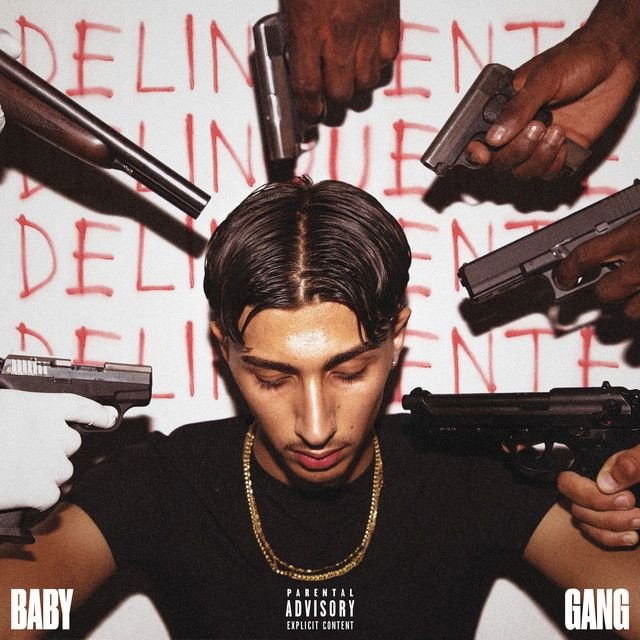
Baby Gang and ElGrandeToto both rap from backgrounds shaped by North African identity and street life. Baby Gang, born Zaccaria Mouhib, is an Italian-Moroccan rapper whose 2021 album Delinquente helped bring him wider attention. ElGrandeToto, born Taha Fahssi, is one of Morocco's biggest rap stars. Put together, they make a song that sounds borderless but rooted in specific places.
A Hook That Sounds Casual but Isn't
On the surface, the chorus keeps asking a simple question: come va-va?
In plain English, that means “how’s it going?” But in this song, the phrase does more than greet someone. It becomes a signal of contact, loyalty, and checking in from inside a tense environment.
They pair that question with lines about brothers, friends, and cities. When they mention Casablanca
and use terms like mon amour
, they mix affection with danger. The result is a hook that sounds catchy and relaxed, but the verses show a harder reality underneath.
Interpretation: the chorus works like a mask. It asks how people are doing, yet the answer implied by the song is that things are unstable, pressured, and always in motion.

Watch the official Come Va
music video
Milan and Casablanca as Two Halves of One World
One of the most important parts of the song is its geography. Baby Gang brings Milan into the track as a place where they learned hustle young. He describes theft, movement through the city, and surviving through quick decisions. He even frames Milan as a place where people can lose everything, using exaggeration to stress how ruthless the city feels.
ElGrandeToto's side expands that map toward Morocco. His verses mention Casablanca and street networks in a way that makes the city feel active, connected, and dangerous. The song keeps crossing languages and borders because their identities do too.
This is why the track feels larger than a simple flex song. It is about transnational street identity. Italian, French, Arabic slang, and Spanish touches all appear in one space. They are not just showing off vocabulary. They are showing a life lived between cultures.
The Verses Turn Bragging Into Biography
A lot of the writing is aggressive and boastful. They talk about dealing, power, and being feared. There are references to drugs, robbery, and criminal reputation. Those details are factual to the lyrics, but they should not be mistaken for a literal documentary of every line. In rap, exaggeration and image-building are part of the form.
Still, the song gains weight because Baby Gang's public story overlaps with these themes. As reported in his Wikipedia biography, his music often draws on poverty, prison, and a hard upbringing between Italy and Morocco. That context helps explain why a phrase like Vengo da Milano
lands as more than a location tag. It sounds like a claim to lived experience.
Interpretation: the verses are performing toughness, but they are also preserving memory. They turn street survival into a personal myth.
What the Chorus Reveals Emotionally
The emotional center of the song hides inside repetition. The repeated check-in, the mention of friends, and the sense that ça va pas-pas
—things are not really fine—suggest strain beneath the swagger.
Khoya, come va-va?Wesh, mon potoça va pas-pas
Even in that brief sequence, they move from brotherhood to unease. The song never slows down enough for a full confession, but it leaves a clue: loyalty matters because the world around them feels unstable.
That is a key part of the meaning of Come Va Baby Gang, ElGrandeToto. They are not simply celebrating chaos. They are showing a scene where friendship and affiliation become protection.
Sound, Flow, and Why the Song Feels So Restless
Production-wise, the track fits modern European trap: hard drums, a repetitive melodic loop, and space for sharp vocal rhythms. The beat does not invite reflection. It pushes forward.
That sound supports the song's themes. The hook is easy to chant, almost like a street anthem, while the verses cram in names, places, threats, and slang. Their voices add contrast too. Baby Gang sounds wiry and urgent; ElGrandeToto brings a cool, controlled force. Together, they create tension between panic and command.
The multilingual flow is also part of the production effect. Even when a listener does not catch every word, the switching itself communicates energy, code, and belonging. The song sounds like several worlds colliding without stopping.
More Than Shock Value
Some listeners may hear only provocation because the track uses explicit language and criminal imagery. That reaction is understandable. But reducing the song to shock misses what makes it effective.
It works because it turns a rough social reality into style. The phone-call hook, the city references, and the shifting languages all create a living network of identity. They are telling listeners who they are, where they come from, and what pressures shaped them.
Final takeaway
At its core, “Come Va” is about surviving through connection, reputation, and movement. Its hook asks a friendly question, but the song's world answers with anxiety, pride, and hard-earned loyalty. That mix is what gives the track its force.
Disclaimer: This article offers an interpretation of the song based on the lyrics, artist context, and musical choices. Meanings can vary from listener to listener.







