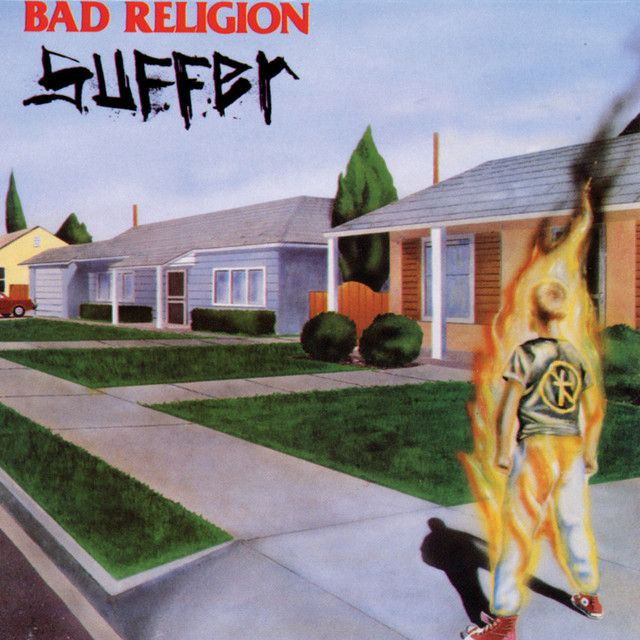
Why Bad Religion’s “Do What You Want” Still Hits
Bad Religion built their name on smart, fast punk songs that question power, belief, and social drift. According to Bad Religion’s history, the Los Angeles band formed in 1980 and became known for mixing hardcore energy with thoughtful lyrics. In that larger catalog, “Do What You Want” stands out as a short blast of frustration that turns a slogan of freedom into a warning.
"Do What You Want" - Bad Religion
Idleness and dissipation breed apathy
I sit on my ass all goddamn day
Loading lyrics...
Unable to load lyrics
We're unable to display the lyrics at this time. Please try again later.
For readers searching for the meaning of Do What You Want Bad Religion, the core idea is simple: the song attacks empty rebellion, laziness, and self-destructive freedom. It is not a cheerful defense of doing anything at all. Instead, it asks what “freedom” becomes when people stop caring, stop thinking, and confuse chaos with independence.
A Punk Motto With a Catch
At first glance, the title sounds liberating. But the opening flips that idea right away. When the singer says do what you want
, they do not sound inspired. They sound disgusted.
The next idea makes that clear: idleness and dissipation
lead to apathy. In plain terms, the song argues that when people waste their energy and detach from purpose, they stop resisting anything meaningful. That is a very Bad Religion move: take a common phrase about freedom and expose the moral emptiness inside it.
Interpretation: the song is less about personal choice in the abstract and more about what happens when choice loses direction. It suggests that “doing what you want” can become a trap if want itself is shallow.
Watch the official Do What You Want
music video
The Speaker Is Angry at Himself Too
One reason the song works is that it does not only attack other people. The narrator also turns the criticism inward. The line I sit on my ass
is blunt self-accusation, not heroic posturing.
That matters because it keeps the song from sounding preachy. The speaker is part of the problem they describe. They admit boredom, bitterness, and inertia, then connect those feelings to a wider social collapse. The phrase rotten to the core
pushes that idea further. The rot is personal, but it also sounds cultural.
How the Verses Build the Song’s Meaning
The song moves in quick bursts, but its ideas stack up neatly:
- It begins with rejection of careless behavior.
- It links boredom to apathy.
- It confesses the speaker’s own paralysis and disgust.
- It turns toward rule-breaking and false heroism.
- It ends in a vision of destruction dressed up as victory.
That final turn is especially sharp. The song mocks dramatic rebellion by pairing reckless action with comic-book imagery. When it throws out Go to Hell with Superman
, it sounds like a sneer at simple hero stories. Real life is not saved by symbols, and rebellion is not noble just because it is loud.
Break all the fucking rules and
Go to Hell with Superman and
Die like a champion
Those lines are the song’s most memorable burst, and they are deeply sarcastic. On the surface, they sound triumphant. In context, they describe a culture that celebrates destruction and calls it glory.
Apathy, Nihilism, and False Freedom
The meaning of Do What You Want Bad Religion becomes clearer when the song is placed next to the band’s wider themes. Bad Religion’s lyrics often deal with systems of belief, social decay, and the danger of not asking questions. Bassist Jay Bentley once described the band as people who “don’t want to stop asking why,” as noted in the same Wikipedia overview.
That spirit is all over this track. The song is not nihilistic in the pure sense, even though it sounds harsh. It is actually anti-nihilistic. It hates the dead feeling that comes from not caring.
The line about believing in God only when impossible math becomes true shows the same mindset. It is skeptical, provocative, and built to reject comforting nonsense. But it also reveals a demand for logic. The speaker wants a world grounded in thought, not lazy slogans.
Interpretation: this song may sound like chaos, but its real target is chaos without purpose.
Why the Sound Matters So Much
Musically, “Do What You Want” delivers its message the way early Bad Religion often did: fast tempo, clipped phrasing, and a sense of pressure that never lets up. The band is widely associated with melodic hardcore and punk rock, and that blend matters here. The song is aggressive, but it is also controlled.
That control supports the lyric. A sloppier performance might have made the words sound like pure rage. Instead, the tight playing suggests discipline. The band is criticizing disorder through a sharply organized piece of music.
The vocal delivery is also key. The lines come out with a half-shouted urgency, which makes the sarcasm bite harder. Rather than sounding defeated, the singer sounds fed up. That emotional posture keeps the song active. It is not surrender. It is confrontation.
Brett Gurewitz’s Writing Fingerprint
The user-supplied credits name Brett Gurewitz as the writer, and that fits what listeners know about Bad Religion’s voice. Gurewitz helped shape the band’s mix of intellect, cynicism, and concise punk hooks. Even in a short song, they can pack in social critique, self-disgust, and dark humor.
This is one reason the track lasts. It is catchy enough to work as a punk anthem, but uncomfortable enough to resist easy use as one. A careless listener might hear a freedom chant. A closer one hears an attack on apathy dressed as a chant.
Why the Song Still Feels Current
In any era of burnout, irony, and performative rebellion, this song stays relevant. It understands that people can confuse individualism with emptiness. They can call themselves free while becoming passive, bitter, and disconnected.
That is why the meaning of Do What You Want Bad Religion still lands today. The song says freedom without thought is hollow, rebellion without values is theater, and apathy is never neutral.
Final Take
“Do What You Want” is a short punk song with a sharp philosophical edge. It mocks lazy freedom, exposes self-destructive attitudes, and turns a catchy slogan into a criticism of modern drift.
That reading is an interpretation based on the lyrics, the band’s known themes, and the song’s musical style. As with many punk songs, part of its power comes from how much it leaves open for the listener to argue with.









