Why 'The Funeral' Still Feels So Heavy
The meaning of The Funeral Band of Horses starts with a surprise: despite the title, the song is not only about death. It is more about dread, pressure, and the feeling that every big moment comes with emotional weight already attached.
"The Funeral" - Band of Horses
And comin' up only to show you're wrong
And to know you is hard, we wonder
Loading lyrics...
Unable to load lyrics
We're unable to display the lyrics at this time. Please try again later.
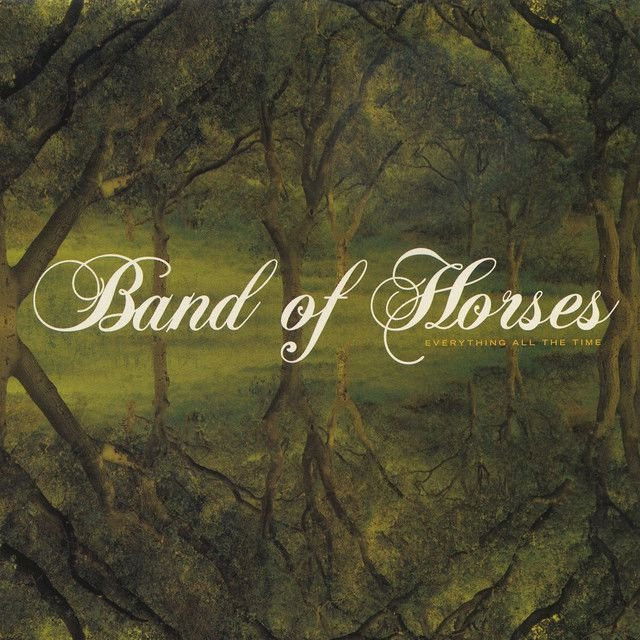
Band of Horses released “The Funeral” as the lead single from Everything All the Time in 2006, after an earlier version appeared on the band’s EP as “Billion Day Funeral.” It was written by Ben Bridwell, Mat Brooke, Chris Early, and Tim Meinig, and produced by Phil Ek with the band. Over time, it became one of their signature songs and a major indie-rock touchstone.
A Funeral as a State of Mind
At the center of the song is a speaker who sounds defensive, tired, and deeply uneasy. Early lines suggest a painful push-pull in a relationship or in self-image. When the narrator says hold you under
and later show you're wrong
, the words do not sound triumphant. They sound like someone striking back before they can be hurt first.
Interpretation: this makes the song feel less like a story with clear events and more like a portrait of emotional sabotage. The speaker seems to expect misunderstanding, so they meet others with suspicion and bitterness.
That reading fits a well-known comment from Ben Bridwell. He said the song began as “whining” about his aversion to social occasions and holidays, especially the pressure around events like New Year’s or Christmas, and that he compared that dread to the feeling of going to a funeral. That quote gives the song an important frame: the “funeral” is a metaphor for forced gathering, emotional performance, and private pessimism.
Watch the official The Funeral
music video
The Chorus Turns Anxiety Into Ritual
The repeated chorus is what gives the song its lasting power. The line ready for the funeral
does not feel like simple preparation for one event. It feels like the speaker is bracing for disappointment again and again.
The phrase at every occasion
is the key. It widens the song beyond one death or one breakup. Weddings, holidays, reunions, parties, ordinary mornings—any of them can feel heavy if someone expects pain, conflict, or emptiness.
Interpretation: the chorus suggests a person trapped in anticipatory grief. They are not mourning one thing; they are living as if every gathering already contains a loss.
Verses Full of Misreading and Distance
The verses deepen that idea by focusing on confusion and mistaken identity. The speaker says that to know them as hardly golden
is to know them wrongly. In plain terms, they feel judged, flattened, or seen through the worst possible lens.
That matters because the song is full of mixed signals. The narrator seems to want to be known, yet they also lash out. They want connection, but they assume others will fail to understand them. This tension gives the song its emotional ache.
One of the sharpest images appears near the end with dead leaves lay on the lawn
. It is a small scene, but it carries a lot. Dead leaves suggest decay, aftermath, and things cut off from their source. The following thought about having no trees to hang on adds a sense of rootlessness.
Interpretation: this image may point to people, not just nature. It suggests lives or relationships that have lost support, place, or purpose.
Why the Sound Hits So Hard
The song’s meaning is not only in the words. Its arrangement does a huge amount of emotional work. The recording builds slowly, using ringing guitars, a steady rhythm section, and Bridwell’s cracked, high vocal tone to create tension that never fully resolves.
That sound is central to why “The Funeral” became so durable in film, TV, trailers, and games. The music feels both intimate and massive. It starts like a private thought, then swells into something communal and cinematic.
Factual context: the track was recorded in Seattle in 2005 and produced by Phil Ek and the band. It runs just over five minutes, giving the mood room to expand rather than rushing to a payoff. That long build mirrors the song’s emotional idea: dread is not sudden here; it grows and sits in the body.
Artist Context Matters
Knowing the band’s early moment helps explain the song’s tone. Band of Horses emerged from the mid-2000s indie-rock scene, but “The Funeral” stood out because it felt bigger and more haunted than many of its peers. Pitchfork later ranked it among the great songs of the 2000s, and its long afterlife in media helped make it one of the band’s most recognized songs.
Still, popularity did not make it simpler. If anything, its broad use in emotional scenes shows how flexible it is. Listeners hear grief in it, but also burnout, social anxiety, loneliness, and the collapse of trust.
More Than One Valid Reading
There are at least three strong ways to hear the song:
- Social dread: a person who hates ritual gatherings and feels burdened by expectation.
- Relationship breakdown: someone who hurts others before they can be hurt.
- Existential sadness: a broader feeling that every milestone contains loss.
All three readings can coexist, which is why the song stays compelling.
The Lasting Meaning of The Funeral Band of Horses
In the end, the meaning of The Funeral Band of Horses lies in how it turns vague, hard-to-name misery into a ritual image everyone recognizes. A funeral is a place where emotion becomes public, duty becomes unavoidable, and private thoughts become impossible to ignore.
That is why the song still lands so hard. It captures the fear that every important occasion may ask more than a person can give.
Disclaimer: Song meanings are interpretive. Unless the artist gives a definitive explanation, any reading should be treated as informed analysis rather than settled fact.









