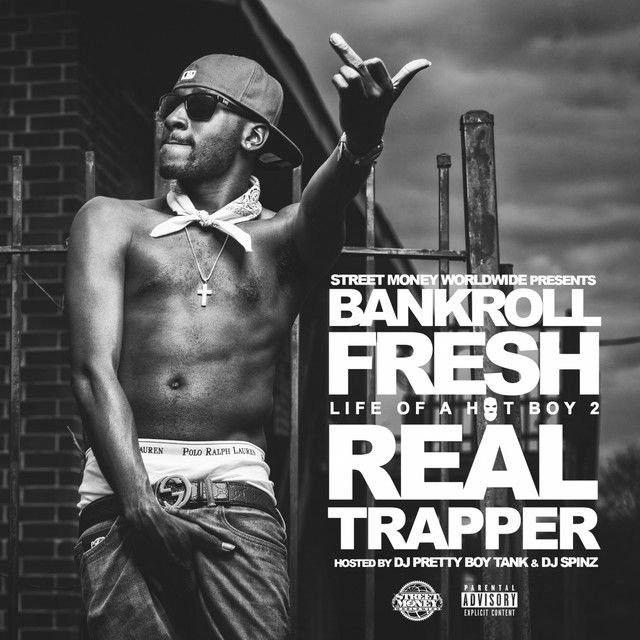
Walked In by Bankroll Fresh, Street Money Boochie, Travis Porter
Why This Entrance Matters
The meaning of Walked In Bankroll Fresh, Street Money Boochie, Travis Porter starts with one big idea: arrival as power. The song is less about a detailed story than a public moment. They step into a room and use style, money talk, and threat-filled confidence to control it.
"Walked In" - Bankroll Fresh ft. Street Money Boochie, Travis Porter
(Yeah I'm back)
(Yeah, Yeah)
Loading lyrics...
Unable to load lyrics
We're unable to display the lyrics at this time. Please try again later.
That is why the hook matters so much. When they repeat walked in the building
, they are not just describing movement. They are turning an entrance into a statement of status. In this song, being seen is part of being powerful.
Watch the official Walked In
music video
The Core Meaning Behind the Song
At its core, “Walked In” is about turning a street background into visible success. The verses connect expensive fashion, cash, women, cars, bottles, and danger into one image: they came from hard conditions and now want everyone around them to notice the upgrade.
The hook makes that meaning plain. The line something expensive
does more than brag about clothes or jewelry. It signals that value now surrounds them, and that value works like proof. In their world, appearance becomes evidence of survival and rank.
Interpretation: The song is also about performance. They do not simply have status; they stage it. Every verse tries to outdo the last, which fits the competitive energy of Atlanta trap and party rap.
From Street History to Present Flex
One of the strongest themes is the link between past struggle and current display. When the song mentions came from dope dealing
, it frames the luxury talk as a result of hustling, not luck. That does not make the activity moral or heroic, but it does explain the song’s logic: the present flash is rooted in a dangerous past.
This is important for understanding Bankroll Fresh’s persona. He built his name in Atlanta rap through blunt, heavy records that mixed trap realism with swagger. His wider breakout came with “Hot Boy,” a song that helped define his public image before his death in 2016, widely reported by outlets like Billboard and The Fader.
Street Money Boochie and Travis Porter add different shades to that same theme. Boochie leans into hustler talk and raw aggression, while Travis Porter bring a rowdier club feel that pushes the song toward party-anthem territory.
How the Hook Turns Bragging Into Identity
The chorus is simple, but that is why it works. Repeating looking like a trapper
does two things at once. First, it makes the image immediate. Second, it blurs the line between appearance and identity.
They are not only saying they look successful. They are saying the look itself carries the history of the streets. Designer frames, spinning tires, and fast movement all become signs of credibility.
Looking like a trapper
when I walked in the building
That short moment sums up the whole song. They arrive, and the room is supposed to read the signal instantly.
Verses Built on One-Upmanship
Each artist uses the beat to stack images of excess. They mention jewelry, bottles, travel, women, and weapons with very little pause. That piling effect matters. The song’s meaning comes not from one deep confession, but from accumulation.
Bankroll Fresh sounds grounded in street authority. Boochie’s verse raises the pressure with more direct hustle talk and threats. Travis Porter then pushes the track further into chaotic nightlife, where the energy is loud, reckless, and built for the club.
Interpretation: This structure mirrors how status works in rap posse cuts. Each verse is a fresh attempt to seize attention. The song becomes a contest over who can sound richest, hardest, and most unforgettable.
Sound, Production, and the Feeling of Swagger
Even without a complex melody, the production does a lot of meaning-making. The beat uses the familiar trap toolkit: heavy low end, sharp percussion, and a bounce designed for repetition. That gives the song a stomping momentum.
The instrumental leaves room for the rappers to punch in with short, memorable images. The result feels like a series of flashes: rims, chains, bottles, women, motion, confrontation. That stop-start force matches lines like lose the ceiling
, which suggest a room getting louder and more chaotic as their confidence rises.
This matters because the song is not trying to be reflective. It is trying to feel immediate. The production supports that by keeping the focus on attitude, not introspection.
What “Walked In” Says About Image
A big part of the meaning of Walked In Bankroll Fresh, Street Money Boochie, Travis Porter is that image is treated like armor. Their clothes and accessories do not just decorate them; they protect reputation. Looking rich means looking untouchable.
That idea runs through a lot of Southern rap, especially songs where the club and the street overlap. The room becomes a stage, but also a test. If they enter with enough force, no one can question their place in the hierarchy.
There is also a darker edge. References to weapons and intimidation remind listeners that this status is not soft. The glamour and the threat live side by side.
Final Take on the Song’s Meaning
“Walked In” is about more than showing off. It turns entrance into identity, and identity into power. They present wealth, style, and danger as proof that they have made it through a brutal environment and now demand attention.
For casual listeners, it can sound like pure flex music. For closer listeners, the song also shows how trap rap often uses luxury as a public language of survival. They do not explain that idea in a reflective way. They perform it loudly.
Disclaimer: This interpretation is based on the lyrics, performance style, and known artist context. As with all song meaning pieces, some readings are interpretive rather than confirmed by the artists themselves.








