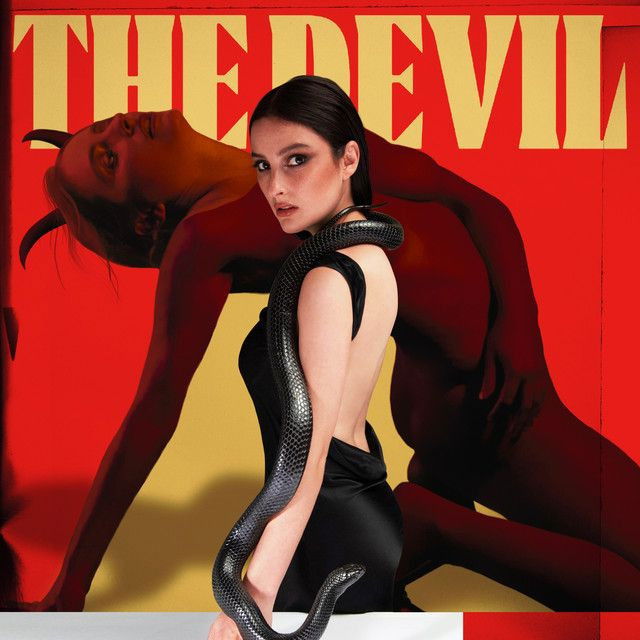
Why BANKS Turns Darkness Into Power
The meaning of The Devil BANKS starts with a blunt confession and then gets more complex. On the surface, the song sounds like a flirtation with danger. Underneath, it feels more like a self-reckoning: a speaker facing their darkest impulses and deciding not to run from them.
"The Devil" - BANKS
And I think I like the fast (ha-ha)
I'm the devil, did they tell you I'm the devil?
Loading lyrics...
Unable to load lyrics
We're unable to display the lyrics at this time. Please try again later.
Released in 2021 as the lead preview of a new project after III and Live and Stripped, the track was described by Consequence as centered on metamorphosis and power. BANKS herself said the song is about being stronger than the demons that haunt a person and about rebirth and transformation into a force of nature. That context matters because it frames the song less as evil for evil’s sake and more as survival through reinvention.
The Core Idea Hiding Inside the Hook
At the center of the song is a speaker who stops pretending to be harmless. When they say I'm the devil
, the line does not have to mean literal evil. It reads more like a dramatic label for the parts of the self that others fear, judge, or try to suppress.
Interpretation: The song presents darkness as something they can own instead of something that owns them. That is why the repeated request to write my new name down
matters so much. It sounds like a renaming, almost a ritual, where an old self is replaced by a harder, sharper one.
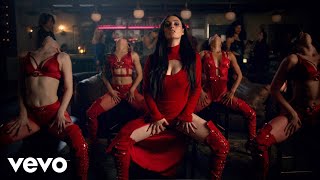
Watch the official The Devil
music video
A Descent That Also Feels Like Rebirth
The lyrics keep moving downward. The speaker says Way down I go
, and that descent is not framed as an accident. They seem aware that they are entering a dangerous place, even calling themselves naïve. Still, they go.
This creates one of the song’s main tensions: falling can also be becoming. The journey downward suggests shame, temptation, or emotional collapse, but it also works as a symbolic trip through the underworld. In stories, going down often comes before returning changed.
Way down I go
Got a one-way ticket
That short passage makes the stakes clear. The move feels irreversible. Whether the speaker is chasing ruin or transformation, they know they are crossing a line.
Speed, Fire, and the Thrill of Losing Control
One of the clearest images in the song is motion. The opening idea of having the pedal down and liking the rush turns inner conflict into physical momentum. Fast driving often symbolizes risk, freedom, and self-destruction at once.
Here, the speed seems seductive. The speaker admits they like the rush, and later hints that a fast life may suit them better now. Interpretation: that suggests identity change is not only painful but exciting. They are not being dragged into darkness; part of them wants it.
The fire imagery deepens that idea. Fire can destroy, but it can also purify. So when the song pulls the speaker through heat and pressure, it sounds like an extreme kind of remaking.
The Devil as Symbol, Not Just Character
The devil in this track works best as a symbol. It can stand for:
- inner demons
- temptation and appetite
- social shame
- feminine power seen as threatening
- a post-breakdown version of the self
That last reading fits especially well with BANKS’ public explanation of the song as one of rebirth and strength. The title figure becomes a mask the speaker puts on after pain. If the world has already cast them as dangerous, they may choose to wear that image on purpose.
How the Sound Shapes the Meaning
The production helps sell that transformation. Reporting around the release highlighted the song’s heavy, dark bassline, and that description fits what listeners hear. The low end feels physical, almost subterranean, as if the song is rising from underground pressure.
BANKS also uses her voice in a smart way here. She shifts between breathy intimacy and sharper attack, which makes the song feel both seductive and confrontational. That duality mirrors the lyrics: vulnerability is present, but it is being armored.
The rhythm is steady and hypnotic rather than chaotic. That matters because it suggests control inside the darkness. Even when the words describe descent, the production sounds deliberate, like the speaker is choosing the fall.
A Few Strong Alternate Readings
There is more than one valid way to hear the meaning of The Devil BANKS.
Reading One: Owning Trauma
The most direct reading is that the song is about confronting personal demons and becoming stronger. This matches BANKS’ own statement and the repeated language of renaming, descent, and return.
Reading Two: Rejecting Other People’s Judgments
Another reading is social. The line about not desiring someone’s approval suggests the speaker is done trying to be liked. In that version, Certified, I ain't the nice one
is not confession but refusal. They reject the role of being agreeable, pure, or easy to manage.
Reading Three: Desire as Dangerous Power
The song can also be heard as erotic and theatrical. The fast cars, horror styling, and red-dress imagery in the video noted by Consequence support that angle. Darkness becomes a performance of control, glamour, and temptation.
Why the Song Still Grabs People
What makes “The Devil” memorable is how it refuses a simple moral lesson. It does not say darkness is good. It also does not say darkness must be defeated cleanly. Instead, it suggests that survival may require walking through the frightening parts of the self and coming out renamed.
That is why the song feels both risky and empowering. It captures the moment when a person stops asking to be seen as innocent and starts asking to be seen as powerful.
Interpretation disclaimer: Song meanings are never fully fixed. This reading is based on the lyrics, the track’s sound, and BANKS’ public comments, but listeners may connect with it in different ways.








