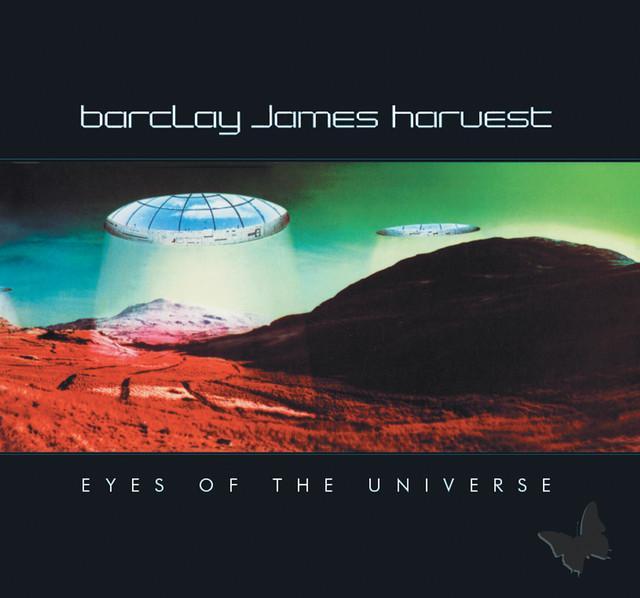
Why “Love on the Line” Feels Like a Dare
Barclay James Harvest often balanced polished pop with reflective emotion, and “Love on the Line” is a strong example of that mix. Written by Les Holroyd, the song turns romance into a test of nerve. At its center is a simple question: when love becomes risky, will someone fully commit?
"Love On The Line" - Barclay James Harvest
Creeping up on you
Watch as the flame grows higher
Loading lyrics...
Unable to load lyrics
We're unable to display the lyrics at this time. Please try again later.
For listeners searching for the meaning of Love On The Line Barclay James Harvest, the song is less about a detailed story and more about emotional pressure. It frames love as something bright, urgent, and hard to control. The singer does not describe a calm relationship. Instead, they present a moment when feelings have grown so intense that standing back is no longer possible.
The Core Meaning Hides in One Big Question
The song’s title phrase carries its message. To put love “on the line” means risking safety, pride, or emotional distance. The repeated challenge lay your love on the line
is not casual. It sounds like a dare, but also a plea for honesty.
Interpretation: the song suggests that real love requires vulnerability. It is not enough to feel strongly in private. Someone has to act, speak, and accept the chance of being hurt.
That idea is reinforced by the image of fate already moving forward. When the lyric says the die is cast
, it points to a moment past hesitation. A decision is already forming, and the only real choice left is whether to embrace it bravely.
Watch the official Love On The Line
music video
Fire, Light, and Night Set the Emotional Scene
The song uses a compact set of images, but each one matters. Love appears first as a growing fire. The phrase burning fire
makes desire feel both warm and dangerous. Fire gives life, but it can also spread beyond control. That is why the song describes passion as something creeping closer rather than arriving gently.
Light is another key symbol. The line the light is burning
suggests hope and guidance, but also exposure. Love can reveal what someone truly feels. In that light, they cannot hide behind detachment anymore.
Night adds a different shade. When the song mentions returning darkness and a feeling that can put a spell on you
, romance becomes dreamlike and almost hypnotic. Together, these images create a world where emotion is intense, seductive, and slightly dangerous.
A Love Song About Motion, Not Stillness
One of the smartest parts of the writing is how often it implies movement. The song is full of momentum: fire rises, time rushes, and the heart pushes forward. Even the line about running faster than time makes love feel like a race against delay.
The pressure of timing
That sense of speed matters to the meaning of Love On The Line Barclay James Harvest. This is not a song about slowly getting to know someone. It is about reaching a breaking point where waiting feels impossible.
Don’t you know the die is cast?
Got to keep on running faster than time
Those lines are the song’s clearest statement of urgency. They suggest that emotion has already crossed a threshold. Whether that pressure comes from destiny, desire, or fear of losing the moment is left open, and that ambiguity gives the song some of its appeal.
Who the Song Seems to Address
The lyric speaks directly to another person, which gives the song its tension. The repeated questions make it sound as if the singer is pushing someone who is unsure, guarded, or afraid. They are not describing love from a distance. They are standing inside the moment, asking for commitment.
Interpretation: this direct address can be heard in two ways:
- as encouragement to trust love
- as a challenge to stop holding back
That double feeling is important. The song is romantic, but not soft-focus. There is insistence in it. The singer seems convinced that love is worth the risk, even if the other person is not fully ready.
How the Sound Supports the Message
Barclay James Harvest built their reputation on melodic rock with lush arrangements, and that broader style shapes how this song lands. Their official band history outlines a career rooted in symphonic textures, harmony, and accessible songwriting. “Love on the Line” fits that approach by pairing an emotional lyric with a polished, uplifted sound.
The production style commonly associated with the group gives the song a sweeping feel rather than a raw one. That matters. A rough arrangement might have made the lyric sound desperate. Here, the smoother sonic frame makes the same emotions feel confident and expansive.
Why the melody matters
The melody rises in ways that mirror the lyric’s emotional climb. As the images of fire, light, and speed build, the musical shape supports that lift. In practice, this means the song does not just tell listeners that love is intense; it makes intensity feel airborne.
For genre context, AllMusic places Barclay James Harvest within progressive and soft rock traditions. That blend helps explain the track’s balance of grandeur and clarity.
Why the Song Still Connects
The lasting appeal of “Love on the Line” comes from its emotional simplicity. Many love songs celebrate romance after certainty arrives. This one lives in the harder moment just before certainty, when someone must decide whether feeling something deeply is enough to risk everything.
That is why the song still works. Its images are broad enough for many listeners to enter, but specific enough to feel vivid. Fire, night, fate, speed, and a true heart all point to the same idea: love becomes meaningful when it asks something of a person.
The Takeaway Behind the Chorus
The best way to hear the meaning of Love On The Line Barclay James Harvest is as a song about courage in love. It turns romance into a threshold moment. A person can stay protected, or they can step forward and be changed by what they feel.
In that sense, the chorus is not just catchy. It is the song’s moral question. It asks whether love is real if it never risks anything.
Disclaimer: This interpretation is based on the released lyrics, the song’s musical style, and available artist context. As with many songs, listeners may hear different meanings in the same images.







