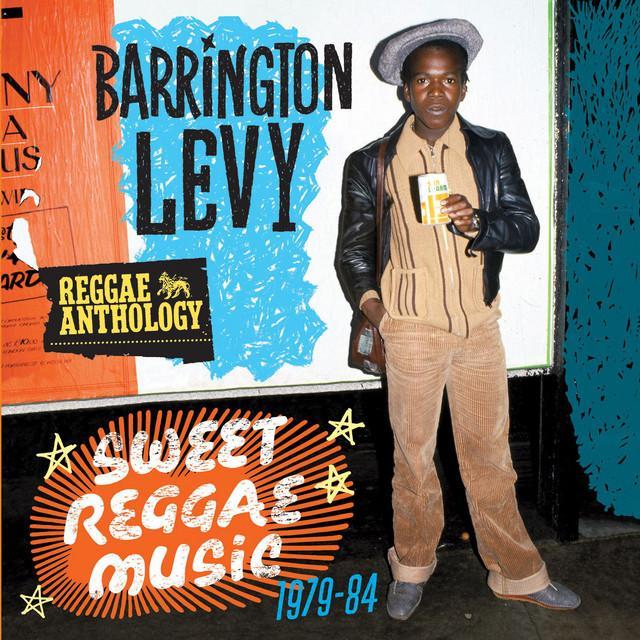
Here I Come by Barrington Levy
The meaning of Here I Come Barrington Levy is deeper than its famous hook suggests. On first listen, the song sounds like a burst of dancehall confidence: funny, catchy, and impossible to ignore. But underneath that energy is a story about sudden responsibility, youth, and the fear of being tied down.
"Here I Come" - Barrington Levy
Shoodilly-wop, shoodilly-woop, whoa
Wee-ooh, wee-ooh, ooh-wee-ooh
Loading lyrics...
Unable to load lyrics
We're unable to display the lyrics at this time. Please try again later.
Barrington Levy recorded “Here I Come” for his 1985 album Here I Come, produced by Paul “Jah Screw” Love and recorded at Channel One Studios in Kingston, according to available album credits and reference sources. It also became Levy’s first international chart breakthrough in the UK, as noted by AllMusic and background on the album. That crossover matters because the song carries a very Jamaican dancehall style while speaking to a universal panic: what happens when fun turns into duty?
A Dancehall Anthem With a Serious Core
At the center of the song is a young man who gets a message that changes everything. A woman calls him and tells him to come quickly because he has a son. The plot is almost comic in its speed, but the emotional idea is serious. The narrator rushes in with flowers, trying to act ready, even though the situation clearly overwhelms him.
This is why the repeated hook Here I come
works on two levels. On the surface, it is an entrance line, full of charisma. Under that, it sounds like someone running toward responsibility before they have had time to process what it means.
Interpretation: The song is not simply celebrating fatherhood. It is showing how unstable and messy that moment can feel, especially for young people who were still living for pleasure.
Watch the official Here I Come
music video
The Story Moves Fast Because Panic Moves Fast
One reason the lyric feels so vivid is its quick timeline. In a few lines, the song jumps from a call over the intercom to a child, then to rejection and emotional distance. That speed mirrors the shock of the news.
Three key beats shape the narrative:
- A sudden summons arrives:
On the intercom
. - The narrator learns about
your son
and rushes over. - Later, the mother pushes back, saying she does not want the baby to tie her down.
That third part is the emotional center. The song suggests that both parents are too young, or at least too unprepared, for the weight of raising a child. When the mother says she wants to have fun while she is still young, the lyric frames parenthood as a loss of freedom.
According to AllMusic’s review, Levy drew early inspiration from a friend whose girlfriend was dealing with postpartum depression, then broadened the song into a warning about the pressures of motherhood and fatherhood. That context helps explain why the lyric never settles into a neat love story. It is about desire colliding with consequence.
Why the Boasts Matter
Some listeners remember the song most for lines like broader than Broadway
. These moments sound silly, proud, and larger than life. They may even seem disconnected from the story at first.
But they serve an important purpose. Barrington Levy uses swagger to keep the song moving. Without those boasts, the track could feel heavy. Instead, the self-hype turns stress into performance.
Interpretation: The brags may reflect a defense mechanism. The narrator acts huge, funny, and unstoppable because the truth underneath is less secure. That contrast gives the song its special tension: comedy on top, anxiety underneath.
Sound: Tough Rhythm, Bright Voice, Real Urgency
The production is a big part of the song’s meaning. AllMusic describes Jah Screw’s backing as tough but bouncy, with a hard edge that hits especially strongly in the chorus. That description matches what listeners hear: a rhythm that feels sharp and driving, yet playful enough for the dance floor.
The musicians on the Here I Come album included major Jamaican session players such as Errol “Flabba” Holt on bass, Dean Fraser on horns, and members of the Roots Radics circle listed in album personnel on the album page. Their presence helps explain the track’s balance of groove and force.
Levy’s voice does the rest. He sings with a bright, rubbery tone, sliding from melody to chant-like phrases and nonsense syllables. Those sounds are not filler. They keep emotional pressure from becoming too bleak. Even the playful vocal bursts around run up the stairs
and the hook make the panic feel theatrical.
More Than a Plot Song
The meaning of Here I Come Barrington Levy also includes a wider social reading. In dancehall, songs often turn everyday drama into public performance. Levy does exactly that here. A private problem becomes a communal anthem.
That may be one reason the song lasted. It was later sampled and referenced in other genres, from UK rave and ragga crossover to hip-hop, and it also appeared in well-known video game soundtracks, as documented on the album’s reference history. The track’s staying power comes from its mix of personality and pressure.
Final Take
So what is “Here I Come” really saying? It captures the instant when youth, sex, pride, and responsibility crash into one another. The song sounds triumphant, but its story is uneasy.
Barrington Levy turns that unease into motion, humor, and unforgettable rhythm. That is why the record still feels alive: it does not preach, and it does not simplify. It dances through a hard truth.
Disclaimer: This interpretation separates sourced facts from critical reading. As with many songs, listeners may hear meanings that go beyond the artist’s documented inspiration.







