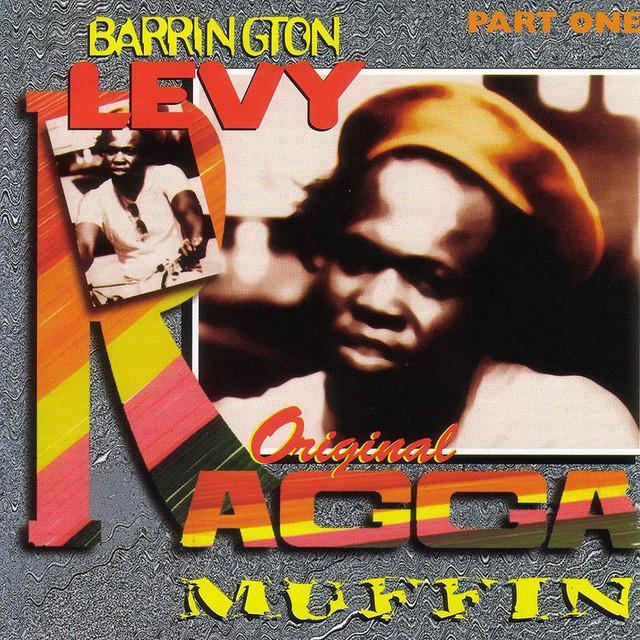
Murderer by Barrington Levy
Barrington Levy’s "Murderer" sounds blunt on purpose. It is not a mystery song or a romance with hidden clues. Its power comes from accusation, repetition, and fear turning into warning. For listeners searching for the meaning of Murderer Barrington Levy, the song is best understood as a protest against violent authority and a defense of basic human dignity.
"Murderer" - Barrington Levy
Sticky doo-da, doo-da, doo-da
Doo-da, doo-da, doo-da, doo-dow, seen?
Loading lyrics...
Unable to load lyrics
We're unable to display the lyrics at this time. Please try again later.
A Warning Shot, Not Just a Hook
At the center of the song is a repeated charge: dem a murderer
. Barrington Levy does not frame that line as casual name-calling. They build a case around it. The verses describe people who enter a community, target youth, and then hide behind formal power, including the image of people dressed in jacket and tie
and showing up at court to tell lies.
That matters because the song’s anger is not aimed at random street enemies alone. It points upward, toward institutions and respectable-looking authority. Interpretation: the song suggests that violence can wear a uniform, sit in a courtroom, or arrive in an official vehicle. The real threat is not just the gunman; it is the system that makes harm look lawful.
Watch the official Murderer
music video
The Story Inside the Lyrics
The song does not tell a detailed plot, but it does move through a clear set of scenes:
- A hostile force enters the singer’s area and threatens young people.
- Those same people appear protected by status and legal power.
- The speaker keeps repeating the warning because the danger is ongoing.
- Spiritual survival becomes part of the response.
One key line points to youth under attack. Another describes people in vehicles who want to beat or kill. Then the lyrics move into court imagery and stolen rights. This pattern gives the song a larger meaning than personal revenge. It feels like testimony from someone living under pressure.
Who Are the “Murderers”?
The song never gives a formal list of names or offices. Still, the clues are strong. Barrington Levy describes men who look official, move with force, and use lies to justify violence. The phrase want to deprive I-man
ties the threat to civil and human rights.
Interpretation: many listeners hear this as a condemnation of police brutality, corrupt legal systems, and state violence in poor Black communities. That reading fits the references to youth, court, and rights. It also fits reggae’s long tradition of social criticism.
Why the Repetition Hits So Hard
A large part of the meaning of Murderer Barrington Levy comes from how often the song repeats itself. Tell dem already
is more than a catchy line. It sounds like someone who has warned people before and has been ignored.
That repetition creates two feelings at once. First, it gives the song the force of a chant, almost like a crowd calling out wrongdoing. Second, it suggests exhaustion. They have said this before. They must say it again. The danger has not gone away.
There is also the repeated cry to watch dem a come
. That turns the song from accusation into alert. The speaker is not only naming evil; they are trying to help others survive it.
Vampires, Rights, and Survival
The song’s strongest image may be dem a vampire
. Barrington Levy even explains the metaphor by linking vampires to blood-sucking. In plain terms, these are people who feed on the vulnerable. They do not only hurt bodies. They drain life, safety, and freedom.
This image works because it expands the song beyond one event. A murderer kills. A vampire keeps feeding. Interpretation: the song may be saying that oppressive power is both immediate and ongoing. It attacks, but it also slowly takes away a community’s future.
The spiritual line about God’s blessing and not ending up in a hearse adds another layer. Barrington Levy does not present survival as luck alone. They frame it as protection. In a song so full of threat, that brief turn toward faith keeps the message from becoming pure despair.
Barrington Levy’s Voice Makes the Message Land
Levy’s voice is one reason the song remains memorable. Critics have often singled out his unusual tone and soaring delivery. The Philadelphia Inquirer described his singing as marked by an “otherworldly yodel/howl,” while the Calgary Herald praised his “honey-toned voice” on the 1993 album Barrington (Wikipedia). Those descriptions fit "Murderer" well: they help explain why the song sounds wounded, fierce, and public all at once.
Factually, "Murderer" appeared on Levy’s 1993 album Barrington, released by MCA Records and produced by Lee Jaffe, Andre Betts, Sly Dunbar, and Robbie Shakespeare (Wikipedia). The album was seen as a crossover project, but this track keeps a hard social edge. The rhythm is lean and driving, and Levy’s voice carries the emotional weight more than fancy arrangement does.
Sound and Meaning Working Together
The groove has the pulse of dancehall, but the mood is tense rather than playful. The beat pushes forward like pressure that does not let up. That suits a song about pursuit, intimidation, and vigilance.
Because the words are repetitive, the performance has to create drama. Levy does that through urgency, little bursts of melody, and a near-preacher intensity. The result feels less like storytelling and more like live warning.
Why the Song Still Connects
What keeps "Murderer" relevant is simple: it speaks to communities that feel targeted by people who claim legitimacy. Whether listeners hear it as a direct anti-police song, a broader attack on oppression, or both, the emotional center stays the same. The song names fear and refuses silence.
That is the clearest meaning of Murderer Barrington Levy: they are exposing violence that hides behind power, while insisting that the community keep watching, keep speaking, and keep surviving.
Disclaimer: This interpretation is based on the lyrics, performance, and available release context. Like many reggae songs, "Murderer" can support more than one reading depending on the listener’s experience.








