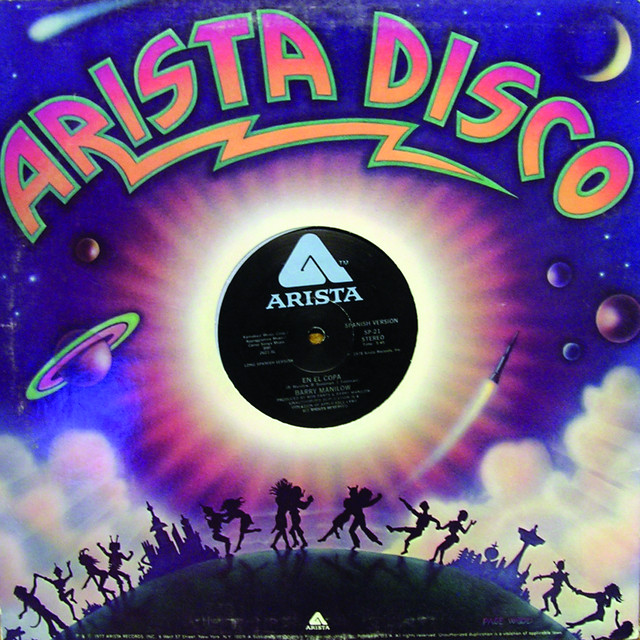
Copacabana (At the Copa) by Barry Manilow
The meaning of Copacabana (At the Copa) Barry Manilow is darker than its party feel suggests. On the surface, it sounds like a bright nightclub hit built for dancing. Underneath, it tells a tragic story about love, violence, aging, and the way glamour can collapse into loneliness.
"Copacabana (At the Copa)" - Barry Manilow
Whoa
Her name was Lola, she was a showgirl
Loading lyrics...
Unable to load lyrics
We're unable to display the lyrics at this time. Please try again later.
Barry Manilow co-wrote the song with Bruce Sussman and Jack Feldman, and it became one of his signature hits. According to the song’s credits and chart history documented by Billboard, its success came from a smart contrast: a catchy, Latin-flavored pop arrangement carrying a story that gets sadder with each verse.
A Dancefloor Story With a Sharp Turn
The song begins like a movie. Lola is introduced as a dancer, Tony works the bar, and the club feels alive with excitement. Early details like showgirl
and tended bar
quickly sketch a working nightlife world where performance and routine meet.
At first, the setup feels romantic. They are young, they work long hours, and they have each other. The club, the Copa, seems like a fantasy space where beauty, rhythm, and desire all mix together.
Then the song breaks that fantasy. Rico enters, wants Lola’s attention, and pushes too far. Tony intervenes. What follows is chaos, and one shot changes everything. The lyric leaves some facts unclear, but the emotional result is not unclear at all: love is destroyed in an instant.
What the Chorus Really Means
The chorus is key to the song’s power. It sells the club as the hottest spot
, a place where music and passion
rule the room. Those words sound glamorous, but they also carry a warning. Passion is not just romance here. It includes jealousy, ego, danger, and reckless desire.
That is why the final return to the chorus hurts. The same place once sold as thrilling becomes the place where Lola loses everything. By the end, the repeated club name no longer sounds festive. It sounds haunted.
The Narrative Arc: From Youth to Ruin
One reason the song endures is its clean three-part structure:
- Lola and Tony live inside a lively nightclub romance.
- A confrontation turns violent and ends in tragedy.
- Years later, Lola remains stuck in the past.
That final section is the emotional center of the song. The shift from Her name was Lola
to Her name is Lola
matters. It moves the listener from memory into the present. This is no longer a dramatic story about what happened one night. It is about what happens after grief never heals.
Now it's a disco
not for Lola
These short lines show how time has moved on without her. The room has changed, the culture has changed, but Lola is emotionally frozen. She still wears traces of the old costume and old identity, as if repeating the past can keep it alive.
Lola as the Song’s Tragic Core
Lola is more than a character in a nightclub plot. She represents a person consumed by memory. The song shows her trying to hold onto youth, love, and status, but none of those things can be preserved by costume or ritual.
Interpretation: the song is partly about the cost of living inside an image. Lola’s work depends on sparkle, poise, and fantasy. After the tragedy, that performance does not end; it turns into a trap. She stays in the same emotional theater long after the audience has left.
That reading helps explain why the ending feels so severe. The song is not only saying that she lost Tony. It suggests she also lost a stable sense of self.
Why the Music Sounds So Joyful
A major part of the meaning of Copacabana (At the Copa) Barry Manilow comes from its arrangement. The track uses bright rhythm, theatrical vocals, and a danceable pulse. Its Latin-pop flavor and showbiz energy make the club feel vivid and irresistible.
That contrast is the point. Manilow, whose background included arranging and stage-minded pop craft, builds a sound that mirrors the club’s seductive surface. Listeners are pulled into the sparkle before they fully notice the pain underneath. The production makes the tragedy hit harder because the song never stops sounding entertaining.
This is one reason the song worked so well in popular culture. As noted in the Grammy Hall of Fame entry for Manilow’s classic recordings, his music often blended strong melody with theatrical storytelling. “Copacabana” may be the clearest example.
A Warning Hidden Inside Camp and Glamour
The song is often remembered as fun, flashy, and even campy. That reading is fair. It is dramatic on purpose. But its emotional engine is serious.
Interpretation: the final message is a warning about confusing excitement with safety. The Copa promises romance and spectacle, yet it becomes the place where desire turns destructive. That gives the closing idea its force: the club is not just where people fall in love. It is where they can lose themselves.
In that sense, the song works like a mini tragedy wrapped in a dance hit. It starts with movement and color, then ends with isolation.
Why the Song Still Connects
The story remains memorable because it is easy to follow but emotionally layered. Casual listeners can enjoy the hook and drama. Closer listeners hear something sadder: a portrait of a woman left behind by time, trauma, and a world that only values glamour while it shines.
So, the meaning of Copacabana (At the Copa) Barry Manilow is not just about a famous nightclub. It is about what happens when a place of fantasy becomes a monument to loss.
That is the secret of the song’s lasting power. It makes people dance first, then realize they have been listening to heartbreak.
Disclaimer: This interpretation separates documented facts from critical reading. Some meanings are interpretive and may differ from how other listeners hear the song.








