Romeo by Basement Jaxx
A breakup song wearing party clothes
The meaning of Romeo Basement Jaxx becomes clear once the song’s bright surface is set against its words. On first listen, it sounds playful, fast, and built for a dance floor. But underneath that bounce is a breakup story about disappointment, anger, and finally release.
"Romeo" - Basement Jaxx
Jaxx
You keep on giving me the hold up (hold up)
Loading lyrics...
Unable to load lyrics
We're unable to display the lyrics at this time. Please try again later.
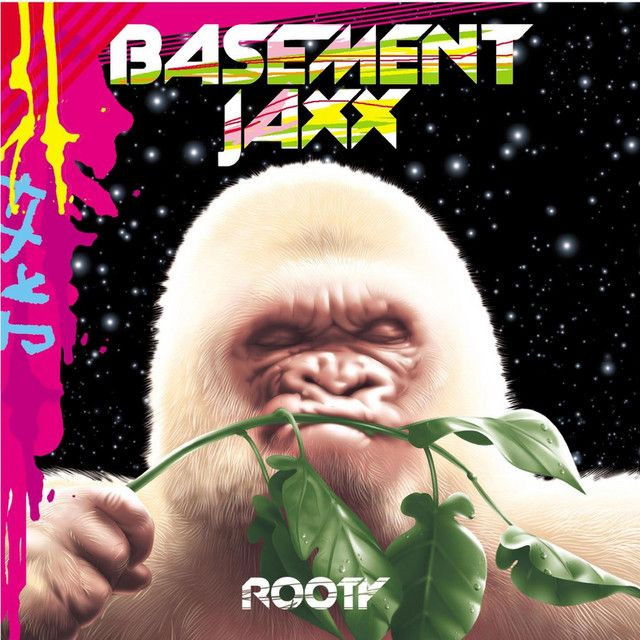
Basement Jaxx, the English duo of Felix Buxton and Simon Ratcliffe, built their name on club tracks that mixed house music with pop hooks and strong personality. Their album Rooty helped define that style in the early 2000s. “Romeo” fits that world perfectly: it is catchy and colorful, but emotionally sharper than its upbeat groove first suggests.
At its core, the song is about someone realizing that a lover is no longer the romantic hero they once seemed to be. The title uses the idea of Romeo not as praise, but as a fallen image.

Watch the official Romeo
music video
From ideal lover to ex-lover
The central shift happens in one small phrase: used to be my Romeo
. The speaker is not celebrating a romance. They are looking back on one that has already lost its magic.
That choice matters. Romeo is a cultural shortcut for passion and devotion, so saying someone used to be that figure means the fantasy has collapsed. What was once exciting now feels unstable and frustrating.
The verses build this case with blunt complaints. The partner keeps delaying, hesitating, and refusing clarity. When the singer says giving me the hold up
, they suggest emotional stalling. When they push the person to make your mind up
, it shows impatience with mixed signals.
This is not a tragic love story in the Shakespeare sense. It is a more familiar modern problem: someone who talks like a romantic lead but behaves like a flaky partner.
The emotional timeline inside the lyrics
Stage one: irritation
At first, the song sounds like a confrontation. The speaker has reached a point where silence no longer works. They are tired of swallowing their feelings and tired of dealing with inconsistency.
A phrase like so-so
cuts especially deep because it reduces the relationship’s intimacy to something average and unsatisfying. The disappointment is not only emotional; it is about the whole connection failing to live up to the promise.
Stage two: naming the problem
The song then gets more specific and more biting. Calling the partner neurotic like a yo-yo
paints them as jumpy, repetitive, and impossible to settle. The image is almost comic, which is important. Basement Jaxx often use humor and exaggeration to keep pain from becoming heavy-handed.
Interpretation: This line may show the speaker taking back power through mockery. Instead of treating the ex as a grand lost love, they shrink them into a pattern of annoying behavior.
Stage three: grief and recovery
The bridge opens the emotional picture. Here the song briefly drops its sarcastic edge and admits real hurt:
left me laying there
with a broken heart
alone in the dark
This is the song’s clearest statement of pain. The speaker misses warmth, shared mornings, and ordinary laughter. Those details matter because they make the breakup feel real. They are not mourning only drama or passion; they are mourning comfort and routine.
Yet the bridge does not stay in despair. It turns toward resilience. The tears have dried, fear is gone, and the answer is to move forward.
Why the chorus matters so much
The repeated hook, let it all go
, is the song’s real destination. It works like a mantra. Each repetition pushes the speaker away from obsession and toward release.
In many breakup songs, repetition can sound stuck. Here it sounds cleansing. Because the production is so energetic, the chorus feels less like giving up and more like reclaiming control.
Interpretation: That is the key to the meaning of Romeo Basement Jaxx. The song is not only about being hurt by someone disappointing. It is about turning that hurt into motion, voice, and confidence.
How the music carries the message
One reason “Romeo” still lands is the contrast between lyrics and sound. Basement Jaxx were known for fusing house rhythms, pop structure, and lively vocal arrangements; their official site reflects a career built on that hybrid energy. In “Romeo,” the beat is brisk, the groove is elastic, and the vocal performance sounds urgent without collapsing into sadness.
That contrast changes the meaning. If the same words sat inside a slow ballad, the song might feel crushed. In this arrangement, the breakup becomes active. The dance beat suggests they are processing pain by moving through it.
There is also a communal quality in the hook and backing vocals. Even when the lyric is personal, the record feels public, almost like heartache turned into a shared release on the dance floor. That gives the song a kind of emotional generosity.
A few strong symbols in a simple lyric
“Romeo” is not a highly abstract song, but it does use a few effective symbols:
- Romeo: the myth of the perfect lover
- Yo-yo: emotional inconsistency
- Broken heart: direct romantic hurt
- Morning warmth: lost comfort and intimacy
- Darkness: the lonely aftermath of rejection
These images are easy to grasp, which is part of the song’s appeal. Basement Jaxx do not bury the feeling in mystery. They let the listener feel it fast.
Final take on the song’s message
The meaning of Romeo Basement Jaxx is less about doomed romance than about seeing through it. The song starts with frustration, admits heartbreak, and ends in self-release. It uses the image of a legendary lover to expose a very unglamorous truth: some people look romantic until their inconsistency wears the fantasy out.
What makes the song memorable is that it refuses to stay sad. It turns disappointment into rhythm, sarcasm, and movement. That is why “Romeo” feels both wounded and liberated at the same time.
Disclaimer: This interpretation is based on the released lyrics, recording, and publicly available context. Like most pop songs, “Romeo” can support more than one reading.








