Why Bastille’s “Plug In…” Feels So Unsettling
The big idea behind the song
The meaning of Plug In… Bastille comes down to a hard question: what happens when people use technology to escape a world they know is breaking? Rather than simply attacking phones, AI, porn, celebrity culture, or space-age fantasy, the song shows how tempting those escapes are.
"Plug In…" - Bastille
Say that we'll be fine
Plug me right in, jump through the screen
Loading lyrics...
Unable to load lyrics
We're unable to display the lyrics at this time. Please try again later.
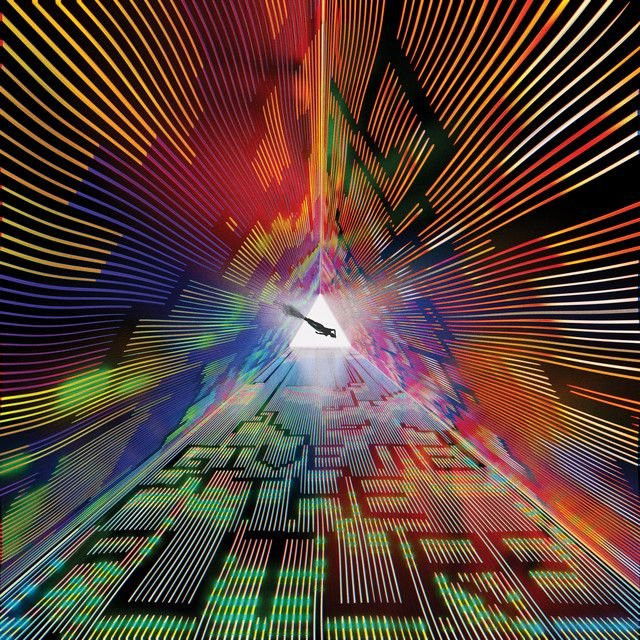
That matters because Bastille built the album Give Me The Future around technology, identity, and escapism. In interviews with The FADER and American Songwriter, Dan Smith said the record was meant to ask questions, not preach. He described “Plug In…” in particular as non-judgmental, focused on hypocrisy, dependence, and how complicated modern life has become.
So the song is not saying people are evil. It is saying they are overwhelmed, distracted, and hungry for comfort.
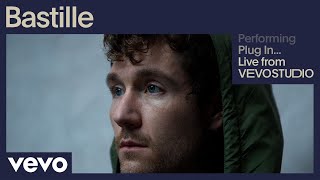
Watch the official Plug In…
music video
A panic spiral dressed up like pop
On the surface, “Plug In…” moves fast. It throws out images of screens, AI, deepfakes, porn, billionaires, Mars travel, climate disaster, and lazy denial. That piling-up effect is the point.
The verses feel like doomscrolling in musical form. One alarming idea leads to the next before anyone can process the last one. When the song mentions jump through the screen
, it suggests a wish to leave real life behind and enter a cleaner, more flexible digital space.
Then Bastille turns that fantasy sour. The modern world promises endless reinvention, but the song keeps asking whether any of it makes people feel better. The repeated question Are we having fun yet?
lands as bitter sarcasm. It sounds like a party line said at the end of a collapse.
The chorus changes the emotional center
What makes the song stronger than a simple social critique is the chorus. After all the satire and chaos, the speaker asks for reassurance, even if it is false.
Tell me we'll be alright
Say that we'll be fine
Those lines shift the song from public commentary to private need. Beneath the jokes about AI and space billionaires, there is fear. The speaker does not really want innovation. They want comfort.
That is why the phrase little bit of tenderness
matters so much. It is the song’s emotional truth. People may hide in screens and fantasies, but what they still need is simple human care.
How the lyrics connect to the themes
Screens, avatars, and fake control
Several lines imagine technology as a place where identity can be edited and upgraded. A machine can learn desires. A face can be improved. A dead image can be revived as a deepfake. These are extreme examples, but they all point to the same urge: control the self, remove pain, and smooth out reality.
Interpretation: The song suggests digital life sells the dream of limitless possibility, but that dream comes with emptiness. If a person can become “anything,” they may also become less grounded in who they really are.
Climate fear and public denial
The song also widens out from private habits to global crisis. It references ecological collapse and social refusal to face it. That is where the humor gets darker. Escapism is not just personal; it becomes political.
Dan Smith told The FADER that the song’s voice was meant to avoid judgment because everyone lives with contradictions. That idea fits the lyrics well. The song mocks denial, but it also admits that most people are trapped in systems they do not fully control.
Tech pleasure versus real intimacy
The most painful tension in “Plug In…” is not about gadgets alone. It is about whether stimulation can replace closeness. American Songwriter noted that the track asks if all these digital pleasures actually bring tenderness. That is the key emotional divide.
The song’s world offers thrills, edits, and fantasies. But the chorus asks for warmth, not novelty.
Why the sound helps sell the message
“Plug In…” works because the production matches the lyrics. On Give Me The Future, Bastille mixed retro-futurist ideas with modern pop textures, with Ryan Tedder serving as executive producer and Mark Crew also involved, as reported by The FADER.
In this track, the beat-driven, glossy sound gives the song a sleek sci-fi surface. That matters because the music briefly makes the future feel exciting. But the vocal delivery undercuts that shine. Dan Smith sounds anxious, dry, and emotionally frayed, as if they are narrating a thrill ride they no longer trust.
Interpretation: The contrast between shiny production and nervous lyrics mirrors the song’s message. Technology looks seductive from the outside, while inside it can feel lonely and unstable.
Artist context sharpens the meaning
Bastille released Give Me The Future in 2022, after a period when many people had become even more dependent on screens for work, comfort, distraction, and connection. Smith told American Songwriter that the album was not “about” the pandemic, but that lockdown made its themes louder.
That context deepens the meaning of Plug In… Bastille. The song does not imagine some distant sci-fi problem. It describes habits that already feel normal: curated identities, algorithmic desire, digital intimacy, and everyday numbness.
It also fits Bastille’s wider songwriting style. Dan Smith often writes songs that sound huge and catchy while carrying unease underneath. Here, that tension is especially sharp.
A fair reading of what the song is saying
The clearest reading is this: “Plug In…” is about modern people reaching for technology as relief while knowing that relief is partial, addictive, and maybe dangerous.
A second valid reading is more compassionate. The song may be less interested in warning people away from screens than in showing how badly they want reassurance. In that sense, the real subject is not tech. It is emotional hunger.
Final takeaway
“Plug In…” is a smart, anxious pop song about the gap between stimulation and comfort. It laughs at digital culture, but it also understands why people keep running toward it.
In the end, Bastille’s song is less about machines than about need: when the world feels impossible, people will accept distraction, fantasy, even lies, if it means hearing that they might be okay.
Disclaimer: This interpretation is based on the song’s lyrics, recorded performance, and published artist comments. Like most pop songs, it can support more than one reading.







