Why Bauhaus Turned Wanting Into a Wound
For many listeners, the meaning of All We Ever Wanted Was Everything Bauhaus comes down to one painful contrast: huge desire meeting a hard, ordinary world. The song is not just sad. It is reflective, almost stunned, as if they are looking back on youth and realizing how much hope was cut down by time.
"All We Ever Wanted Was Everything" - Bauhaus
Was everything
All we ever got
Loading lyrics...
Unable to load lyrics
We're unable to display the lyrics at this time. Please try again later.
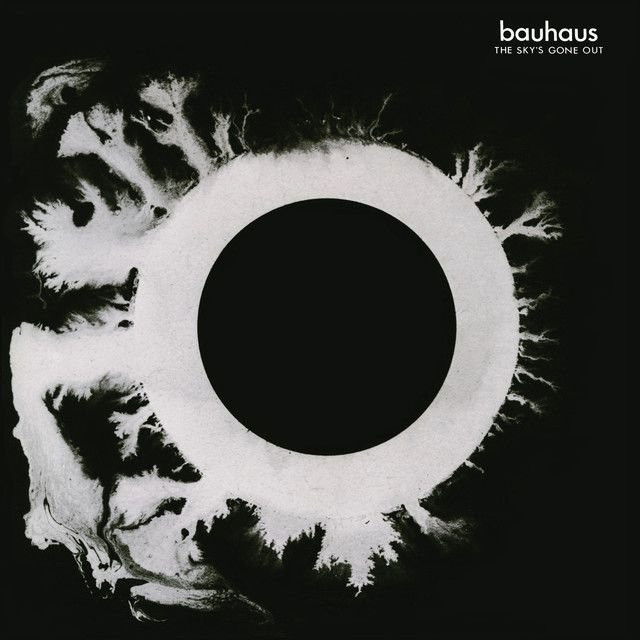
Released on Bauhaus’s 1982 album The Sky's Gone Out, the track sits inside a period when the band were expanding beyond strict post-punk into a broader, moodier sound. That matters, because this song feels less like a shock attack and more like an afterimage. It drifts, remembers, and aches.
A Chorus Built on Broken Expectations
At the center of the song is a brutally simple idea. They dreamed big, then got far less. The opening contrast between all we ever wanted
and was cold
turns a life story into a few words.
That is why the song lands so hard. It does not describe one failed romance or one specific event. Instead, it compresses a whole emotional education: people begin life reaching for everything, then learn that reality can feel indifferent, even emotionally frozen.
Interpretation: the title phrase sounds almost childlike in its scale. Wanting “everything” suggests innocence, appetite, and belief. The answer—coldness—suggests not only disappointment, but a world with little comfort.

Watch the official All We Ever Wanted Was Everything
music video
The Everyday Details Make the Song Hurt More
One reason the lyric feels vivid is the jump from grand desire to small, harsh objects. The song moves into details like eat jelly
, barbed wire
, and factory town
. These are not glamorous images. They sound cheap, fenced-in, and local.
That shift is important. Bauhaus take a huge emotional theme and ground it in working-class routine. Food becomes basic fuel. Time feels compressed. Space feels restricted. The mention of a town built around industry gives the song a social setting, not just a private mood.
Interpretation: those details may suggest postwar British austerity, industrial boredom, or the way childhood memory mixes sweetness with confinement. Jelly has a soft, almost playful feeling, while barbed wire is the opposite. Put together, they capture how innocence can exist beside danger and limitation.
Youth, Memory, and the Sound of Being Called
The lyric also points toward a turning point. The repeated image of the sound of the drum
feels like a summons. It could be history calling, adulthood calling, or simply time moving forward whether anyone is ready or not.
Then comes the phrase about a flash of youth shooting out of darkness. That image is brief and bright, which suits the song’s larger message. Youth appears as energy and possibility, but it does not stay. It flares up against a darker background.
Oh to be the cream
Oh to be the cream
This is the article’s one short multi-line quote, and even here the words remain mysterious. In plain terms, the phrase sounds like a wish to rise above the rest, to become the best part, the top layer, the chosen one. It carries ambition, but also insecurity. Wanting to be “the cream” means they already fear being ordinary.
What Bauhaus Themselves Said
There is useful artist context here. According to Bauhaus band history, David J described the song as one that “evokes nostalgic memories of a time of innocence and naive yearning.” That direct comment gives readers a strong factual anchor.
So while listeners can hear class tension or social critique, the band’s own framing points first to memory. The song is looking back. It remembers desire before experience made that desire smaller, sadder, or more realistic.
David J also praised Peter Murphy’s performance as perfectly carrying the song’s bittersweet feeling. That is easy to hear. Murphy does not sing these lines with rage. He sounds solemn and wounded, as though they already know the ending.
How the Music Carries the Meaning
The production helps explain why this track lingers. The Sky’s Gone Out was recorded at Rockfield Studios in Wales during experimental sessions where the band developed material in the studio and worked with Derek Tompkins as a mediating production figure. That atmosphere of searching can be felt in the song’s shape.
Instead of clutter, the arrangement leaves room. The tempo is patient. The drums feel ceremonial rather than aggressive. Guitar and bass create distance, not warmth. Everything supports the theme of emotional space opening into emptiness.
This is also classic Bauhaus in a less theatrical mode. They were pioneers of gothic rock, but their sound drew from post-punk, glam, dub, and art rock. Here, they use those tools to make longing feel physical. The music does not simply decorate the words; it turns disappointment into atmosphere.
Two Strong Ways to Read It
There are at least two convincing readings of the song:
- Personal-memory reading: They are looking back on youth, innocence, and impossible hopes.
- Social reading: They are showing how ordinary life, class limits, and industrial surroundings narrow human desire.
These views do not cancel each other out. In fact, they reinforce each other. Personal disappointment often grows inside a social world, and Bauhaus are smart enough to suggest both with very few words.
Why the Song Still Connects
The song still matters because its idea is universal. Most people know the feeling of wanting a full life and receiving something thinner, colder, or more compromised. Bauhaus express that without overexplaining it.
In the end, the meaning of All We Ever Wanted Was Everything Bauhaus is not that desire is foolish. It is that desire is human, and memory makes its failure feel even sharper. Their song turns that realization into something stark, beautiful, and deeply recognizable.
Disclaimer: This interpretation combines documented band context with critical reading. Song meaning can remain open, and different listeners may hear different emphases in the same lines.







