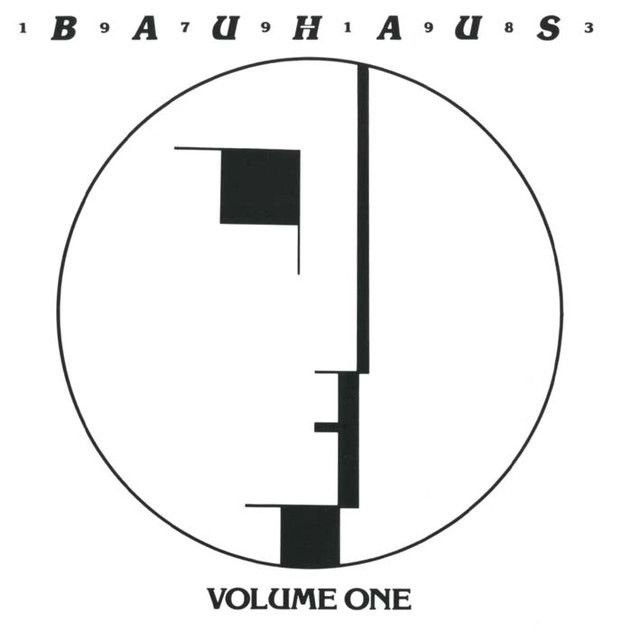
Why "Passion of Lovers" Feels So Dangerous
For many listeners, the meaning of Passion of Lovers Bauhaus starts with one chilling idea: romance here is not warm or safe. It feels sharp, theatrical, and close to self-destruction. Released as a 1981 single and tied to Mask, the song sits right in Bauhaus's early gothic period, where beauty and menace often share the same space.
"Passion of Lovers" - Bauhaus
That were hers to keep
And in her fear
Loading lyrics...
Unable to load lyrics
We're unable to display the lyrics at this time. Please try again later.
Factually, "The Passion of Lovers" was released in June 1981 on Beggars Banquet, credited to Peter Murphy, Daniel Ash, David J, and Kevin Haskins, and produced by the band. It later appeared in the Mask era and reached No. 56 on the UK chart. Those release details matter because they place the song at a moment when Bauhaus were helping define goth rock's mix of art-rock cool, dread, and dark romance.
A Love Song That Distrusts Love
At its core, the song presents a woman who seems both alluring and wounded. The narrator watches her closely, but they never sound fully connected to her. Instead, they sound fascinated, uneasy, and a little powerless.
The key line is the repeated phrase the passion of lovers
paired with is for death
. Before and after that refrain, the verses sketch a person chasing sensation, risk, and emotional damage. In plain terms, the song suggests that some kinds of desire burn so intensely that they start to look like a form of collapse.
Interpretation: Bauhaus are not saying all love leads to death. They seem to be dramatizing a specific kind of love: obsessive, unstable, and attracted to danger. That is why the chorus lands less like advice and more like a dark spell.

Watch the official Passion of Lovers
music video
The Woman at the Center of the Song
The portrait in the verses is vivid but fragmented. She has stylized features, nervous habits, and a taste for damaged pleasure. The song says she sought cracked pleasures
, which points to thrills that are already broken before they even begin.
That idea gets stronger when the lyric shows her turning strange and light, almost unreal, after she speaks. The song also says she turned to feather
. Rather than grounding her as a realistic person, Bauhaus turn her into an image: fragile, slippery, impossible to hold.
Watching From Below
The narrator's role matters too. They are not inside the romance. They are observing, almost spying, as if trying to decode what she carries inside. When the song mentions hidden things being safe underground, it suggests buried instincts, secrets, or emotional defenses.
Interpretation: She may be protecting parts of herself even while acting reckless. That tension gives the song depth. She is not simply self-destructive; she may be surviving through performance, sarcasm, and seduction.
How the Lines Build the Theme
One of the smartest things about the writing is how often attraction and damage appear in the same breath. The woman hurts herself emotionally, but not by accident. The lyric about breaking her heart "just a little too much" suggests repetition: they are trapped in a pattern.
Then there is the line about a banshee smile
. A banshee, in folklore, is linked with warning and death. By joining that image to a smile, the song turns charm into an omen. She is magnetic, but her magnetism carries danger.
The passion of lovers
is for death
That two-line core is so stark because it keeps reframing everything around it. Every gesture, joke, and flirtation in the verses starts to feel less romantic and more fatalistic.
Sound First, Meaning Second
The meaning of Passion of Lovers Bauhaus is not only in the words. It is also in how the track sounds. Bauhaus play it with a tight, nervous groove rather than a huge emotional swell. That choice matters.
The guitar cuts and flickers instead of comforting the listener. The bass gives the song a stalking pulse. The drums feel clipped and controlled, which keeps the mood tense. Over all that, Peter Murphy sings with a cool, dramatic distance, as if he is both narrator and witness.
This is classic Bauhaus. Their production often leaves space around the instruments, which makes each part feel exposed. Instead of sounding lush and romantic, the song sounds lean and haunted. That sonic dryness supports the lyric's warning: desire here is not soft; it is skeletal.
Why It Fits Bauhaus So Well
Bauhaus were central to early goth because they treated rock songs like eerie little theaters. Their work often mixed glam attitude, dub-like space, punk sharpness, and literary images. "The Passion of Lovers" shows all of that in under four minutes.
The band members also shared writing credit, which helps explain the song's layered feel. It does not move like a confessional diary entry. It feels assembled from image, rhythm, mood, and character study. That is one reason listeners return to it: the song gives just enough story to intrigue them, but never enough to fully solve it.
Two Strong Ways to Read It
There is more than one valid reading of the song:
- Obsessive romance reading: The song is about love that becomes addictive and self-erasing.
- Performance reading: The woman is building a persona to survive pain, and the narrator mistakes that mask for doom.
- Goth manifesto reading: The refrain turns romance into a grand, poetic confrontation with mortality itself.
All three fit the lyrics and the mood. That ambiguity is a strength, not a flaw.
Why the Song Still Connects
The track still works because it captures a feeling many people recognize: wanting something beautiful even when they know it may hurt them. Bauhaus do not present that conflict in plain language. They turn it into gothic imagery and sound design.
That is the lasting meaning of Passion of Lovers Bauhaus: desire can feel thrilling, theatrical, and fatal all at once. The song does not celebrate that truth so much as stage it in neon darkness.
Interpretation disclaimer: Song meaning is never fully fixed, and this reading combines lyrical analysis, musical context, and informed interpretation rather than a single confirmed statement from the band.







