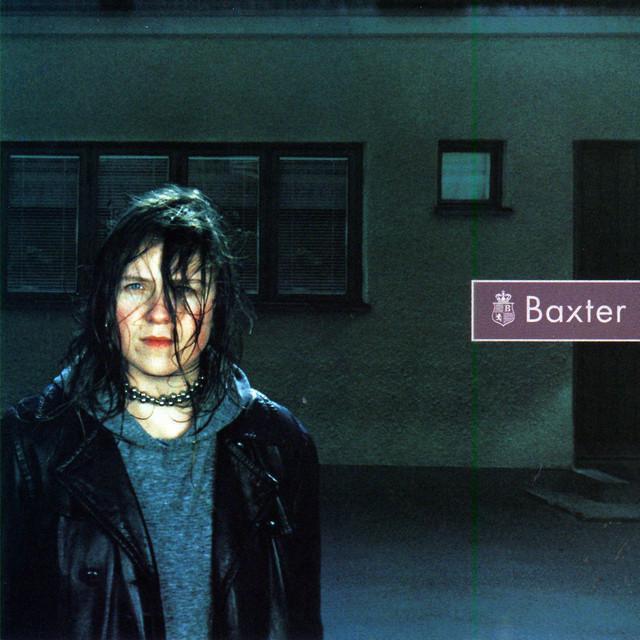
Why 'Television' by Baxter Hurts So Quietly
The meaning of Television Baxter centers on a private collapse that nobody fully stopped in time. The song is short, repetitive, and plainspoken, but that simplicity is the point. It follows one speaker who keeps returning to the same regret: they wish they had seen another person in their room, in pain, before something broke for good.
"Television" - Baxter
Seen you in front of your T.V set
I wish I'd seen you
Loading lyrics...
Unable to load lyrics
We're unable to display the lyrics at this time. Please try again later.
Rather than telling a complicated story, Baxter builds meaning through repetition and one strong image: a person destroying a TV that had become the whole world to you
. In that sense, the song feels less like a plot and more like a memory loop.
The Song's Core Wound
At its heart, “Television” sounds like a song about isolation, missed warning signs, and the fear of arriving too late. The speaker keeps saying I wish I had
, which gives the lyrics a haunted quality. They are not describing an event with distance. They are reliving it.
Interpretation: The song suggests that the person in the room had narrowed life down to one object, one habit, or one enclosed space. When that object is destroyed, the act feels bigger than anger. It feels like a breakdown.
The phrase all alone in your room
matters because it frames the crisis as hidden from the outside world. No crowd sees it. No rescue comes in time. That is why the regret in the song lands so hard.

Watch the official Television
music video
A Television That Means More Than a Screen
The TV is the song’s central symbol. On the surface, the lyrics describe someone who blew up your television
. But the image carries more emotional weight than a simple act of vandalism.
Interpretation: The television may represent:
- a retreat from real life
- a false version of connection
- media as comfort that turns suffocating
- a small room becoming an entire universe
When the song calls it the whole world to you
, it implies dependence. This was not just entertainment. It was a stand-in for life itself.
That makes the next idea even sadder. If the TV held the person’s world, destroying it does not free them. Instead, the song says less of you is left
. In other words, the explosion removes part of the self along with the object.
How the Repetition Deepens the Meaning
One of the smartest things Baxter does is keep repeating key lines with very little change. That structure can seem simple at first, but it creates emotional pressure.
The song circles around the same moment again and again, almost as if the speaker cannot move on. They keep replaying the room, the television, and the missed chance to intervene. That repetition mirrors guilt. People often revisit painful memories this way, asking what they should have seen earlier.
The Wishes Tell the Story
The real action in the song is not only the destruction of the TV. It is the speaker’s wishing:
- they had seen the person sooner
- they had been awake to the sadness
- they could take them outside
- they could still see
the rest of you here
That last phrase is especially strong. It suggests fragmentation, as though the person still exists physically but has become emotionally diminished, distant, or unreachable.
Who the Speaker Seems to Be
The lyrics never define the relationship. That ambiguity helps the song feel universal. The speaker could be a friend, partner, sibling, or simply someone who cares deeply.
What matters is their position: they are close enough to feel responsible, but distant enough to have missed the breaking point. That creates the song’s ache. They are not detached. They are remorseful.
Interpretation: Because the speaker wants to take the person outside, the song may hint at a longing to pull them back into the real world—away from the room, the screen, and the enclosed sadness that has taken over.
Sound, Style, and Pop Restraint
The song is identified here as pop, and that matters for how its meaning comes across. Pop often relies on direct language and memorable repetition, and Baxter uses both to turn a private scene into something immediately readable.
Without overloading the lyric with detail, the song leaves space for the listener to feel the silence around the event. A sparse or restrained arrangement would fit this writing well because the emotional center is not spectacle. It is absence.
The title also invites an interesting side note. Some readers may see the name Baxter and think of TV culture references like Ted Baxter, the vain anchorman from The Mary Tyler Moore Show, a character later cited as a satire of television personality culture in reference works such as Wikipedia. But there is no clear evidence this song is about that character. Here, television feels personal, not satirical.
Alternate Readings Worth Considering
There is more than one plausible way to hear the meaning of Television Baxter.
Reading One: A Mental Health Crisis
The most immediate reading is that the song describes someone spiraling in private while another person realizes, too late, that they were deeply unwell. The language of wishing, isolation, and emotional disappearance supports that view.
Reading Two: Media as Emotional Entrapment
Another reading is broader. The song may be about how screens become substitute worlds. In that version, smashing the TV is a desperate attempt to escape a false reality, but the damage has already been done.
Neither reading cancels the other out. In fact, they work well together.
Why the Song Lingers
“Television” lingers because it never overexplains. It gives listeners one room, one act, and one witness full of regret. From there, the emotional meaning expands.
The song understands a painful truth: sometimes people do not realize how far gone someone is until after the visible break. Baxter turns that truth into a stark little pop song about absence, guilt, and the parts of a person that seem to vanish before anyone can reach them.
Disclaimer: This interpretation is based on the lyrics provided and limited available song data. Without a confirmed artist statement, some meanings remain interpretive rather than factual.







