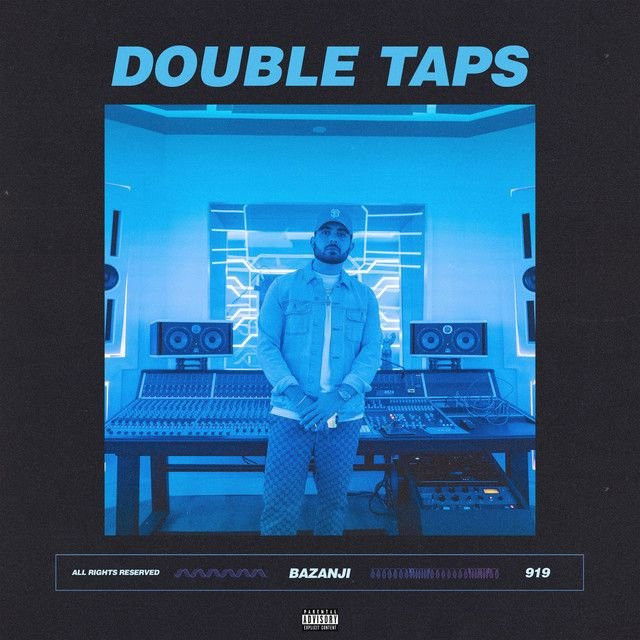
Double Taps by Bazanji
Bazanji’s "Double Taps" sounds like a victory lap at first. It is full of wealth markers, LA scenery, and the language of momentum. But the meaning of Double Taps Bazanji goes deeper than flashy success. The song is really about what happens when ambition gets so intense that attention becomes easier to accept than intimacy.
"Double Taps" - Bazanji
I been getting to the bag yeah I'm still doing that
Put some ice up on my chain I get chills wearing that
Loading lyrics...
Unable to load lyrics
We're unable to display the lyrics at this time. Please try again later.
They frame success as something earned through discipline, not luck. At the same time, they show a speaker who has learned to protect their space, their career, and their feelings. That mix of confidence and distance gives the track its edge.
A flex anthem with a cold center
On the surface, the song is about having made it. Bazanji places the action in Los Angeles, with hills, expensive cars, jewelry, and a crowded club scene. Those details tell listeners that the speaker has reached a new level.
But the bragging is not empty. The repeated idea of having come a long way suggests a self-made story. When they mention being “out in LA”
and still “getting to the bag”
, the point is not just money. It is persistence. They are saying the grind did not stop once success arrived.
Interpretation: The song’s real center is not wealth itself. It is control. Every image of luxury doubles as proof that they stayed focused long enough to win.

Watch the official Double Taps
music video
Why the title matters more than it seems
The title gives away the emotional message. A “double tap” is a social media like, a tiny gesture of approval. It is fast, public, and low-risk. In the chorus, Bazanji contrasts physical attraction and online attention with real emotional commitment.
When the song says she only gets “double taps”
, it means they will offer visibility, attention, and maybe desire—but not love. That small phrase turns the whole song from a standard boast into a statement about guarded boundaries.
This matters because the verses keep returning to the problem of attachment. They do not want people getting too close. In that light, the title becomes a symbol for modern distance: enough contact to keep things moving, not enough to become vulnerable.
Success, paranoia, and self-protection
Another big part of the meaning of Double Taps Bazanji is distrust. The song keeps separating the speaker from other people. Rivals want their spot. Outsiders give advice without experience. Former friends have already caused damage.
That is why lines about burned bridges and removing the knife from their back feel important. Bazanji presents success as something that attracts envy and fake loyalty. The speaker responds by cutting ties and keeping their circle small.
The small table image
One of the sharpest ideas in the song is not about cars or chains. It is about not wanting the table crowded. That image suggests selectiveness. They are not chasing popularity for its own sake. They want a controlled environment where trust is rare and earned.
Interpretation: This makes the song feel less like celebration and more like survival at a higher level.
The chorus turns romance into a status boundary
The chorus repeats the same set of images, which helps explain the song’s worldview. Wealth, nightlife, and attraction all circle around one main rule: nobody gets full access.
The phrase “we ain’t ever going back”
shows that their rise is permanent in mindset, even if nothing in fame is guaranteed. Then the emotional line at the end closes the door. The speaker may be surrounded by attention, but they refuse to confuse attention with connection.
That is what makes the hook memorable. It is catchy, but it is also emotionally blunt. Bazanji treats romance almost like another area where discipline is required.
How the sound supports the message
The production style fits the song’s attitude. Even without an official producer credit confirmed here, the track works like a modern motivational rap record: heavy drums, crisp low end, bright synth textures, and a direct vocal performance. The beat does not sound dreamy or romantic. It sounds hard, polished, and efficient.
That matters for interpretation. A warmer beat might have softened the message. Instead, the production pushes the feeling of forward motion. The repeated hook lands like a brand statement.
There is also a strong contrast between the cool sound and the pain underneath. Near the end, Bazanji says they “put my pain in the mic”
. That short phrase opens a new layer. Beneath the confidence, the booth becomes a place where pressure gets converted into performance.
A quick look at artist context
The user-provided context credits the song to Shad Albarazanji, Bazanji’s full name as writer. That fits the personal tone of the track. It sounds built around their public image: independent, driven, competitive, and internet-aware.
Because the song uses the language of status and social media at the same time, it feels aimed at a modern rap audience that understands both hustle culture and online performance. “Double taps” are not just likes. They are a way of measuring attention without promising anything real.
Final takeaway on the song’s meaning
So, what is the meaning of Double Taps Bazanji? It is a song about winning while refusing to become emotionally available to everyone drawn to that success. Bazanji mixes pride, caution, and loneliness into one polished rap anthem.
The material rewards are real. So are the scars. In this song, fame brings visibility, but trust gets harder. Love is reduced to signals, and survival means keeping the heart behind glass.
“This ain’t happen overnight”“My future looking bright”
Those lines capture the tradeoff: long work created the shine, but the shine comes with distance.
Disclaimer: This interpretation is based on the lyrics provided and publicly available artist context. Song meaning can vary from listener to listener.








