Why 'Myself' by Bazzi Hits So Hard
The meaning of Myself Bazzi comes down to one big tension: wanting connection, but feeling safer alone. The song does not celebrate loneliness in a simple way. Instead, it turns independence into a shield after disappointment, fake loyalty, and emotional burnout.
"Myself" - Bazzi
I think I'm losing my mind
Trying to stay inside the lines
Loading lyrics...
Unable to load lyrics
We're unable to display the lyrics at this time. Please try again later.
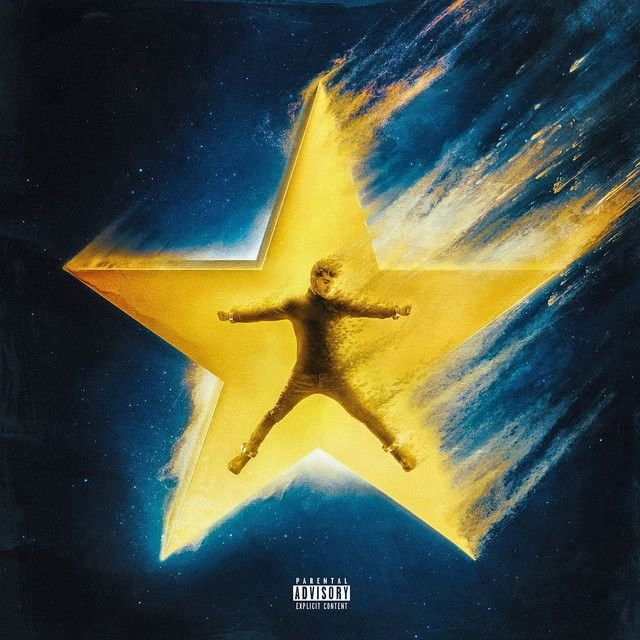
Bazzi released “Myself” during the breakout period that led into Cosmic, the debut studio album that helped define their early sound, according to major music databases and label materials such as Atlantic Records and AllMusic. The song’s appeal comes from how direct it feels. It sounds catchy and smooth, but underneath that polish is a person pulling back from people they no longer trust.
A Pop Song About Emotional Self-Defense
At the start, the narrator feels boxed in and exhausted. When they admit they are losing my mind
, the point is not just stress. It suggests they are tired of trying to fit expectations that no longer feel honest.
That idea grows when they say they cannot keep pretending. The song rejects fake happiness, fake friendships, and fake peace. In simple terms, they would rather be alone than keep performing for others.
Interpretation: This is why the chorus lands so strongly. The repeated line better by myself
sounds bold, but it also sounds learned. It feels like a conclusion reached after being let down, not a carefree slogan from the start.

Watch the official Myself
music video
Beneath the Hook, There Is a Trust Problem
One reason the song resonates is that it is not only about solitude. It is about disappointment. In the second verse, they ask for something deeper than appearances, contrasting surface-level company with what is real underneath.
That shift matters. The song is not saying all relationships are useless. It is saying shallow ones are.
They also make their priorities clear. The line about being more focused on money than drama is blunt, but it reveals a larger goal: growth over gossip, progress over social chaos. When they push away bad energy
, they are drawing a boundary around their future.
The emotional timeline in the lyrics
- They begin overwhelmed and restless.
- They reject forced smiles and social performance.
- They separate themselves from drama and fake friends.
- They end with a rule: trust is limited, and independence is safer.
That final stretch is especially important because the song stops sounding merely frustrated and starts sounding cautious.
The Chorus Turns Isolation Into Power
The chorus is extremely repetitive, and that is part of its meaning. By repeating I don't need no one else
, the song tries to convince both the listener and the speaker. It works as a mantra.
This is where the meaning of Myself Bazzi becomes more layered. On one level, it is a self-confidence anthem. On another, it sounds like someone rebuilding confidence after feeling fooled or emotionally drained.
Fool me once, I'm on my own
There is no second time
Those lines are the clearest statement of the song’s emotional logic. Trust, once broken, will not be restored easily.
Sound and Mood: Glossy, Lonely, and Controlled
Part of the song’s success lies in how its production balances brightness with distance. Bazzi’s early music often blended pop, R&B, and trap-influenced rhythms, a style widely noted in coverage from outlets like Billboard and Rolling Stone. “Myself” follows that pattern.
The beat feels sleek and modern, with enough bounce to stay radio-friendly. But the vocal delivery carries restraint. Even when the hook is catchy, the mood is not warm or open. It feels cool, separated, and slightly guarded.
Interpretation: That contrast helps the theme. The song sounds attractive on the outside, much like the shallow social world it criticizes. Yet the emotional center is withdrawn. The production lets listeners feel that push-pull between wanting closeness and refusing vulnerability.
Artist Context Makes the Message Stronger
Bazzi’s breakout era was built on emotionally direct songs that mixed romance, ego, and insecurity. “Myself” stands out because it is less about chasing love and more about stepping away from people who drain trust.
The credited writers are Andrew Bazzi, James William Lavigne, Kevin Clark White, and Michael Clinton Woods, as provided in the song’s credits. That collaborative writing helps explain the song’s clean structure: sharp verse setups, a memorable hook, and a final section that gives the song a harder emotional edge.
For many listeners, the track fit a late-2010s mood. It matched a culture of curated images, mixed loyalties, and public confidence hiding private stress. That likely helped the song connect beyond just Bazzi’s core fan base.
Two Strong Ways to Read the Song
Reading one: healthy independence
In this view, the narrator is setting mature boundaries. They know drama wastes time, dishonest people bring stress, and solitude can be healthier than constant chaos.
Reading two: wounded withdrawal
In this view, the song is a defense mechanism. The confidence is real, but it grew out of distrust. Saying they are better alone may be true for now, yet it also hints at hurt that has not fully healed.
Both readings fit the lyrics, which is why the song still feels relatable.
Why the Song Still Connects
“Myself” lasts because it captures a familiar modern feeling: being tired of performance, tired of mixed signals, and tired of fake support. Its message is simple, but not shallow. Being alone here is not emptiness. It is protection, clarity, and a way to regain control.
That is the real meaning of Myself Bazzi: independence as both freedom and emotional armor.
Disclaimer: This interpretation is based on the lyrics, officially credited information, and the song’s musical presentation. As with any song, listeners may hear different meanings.









