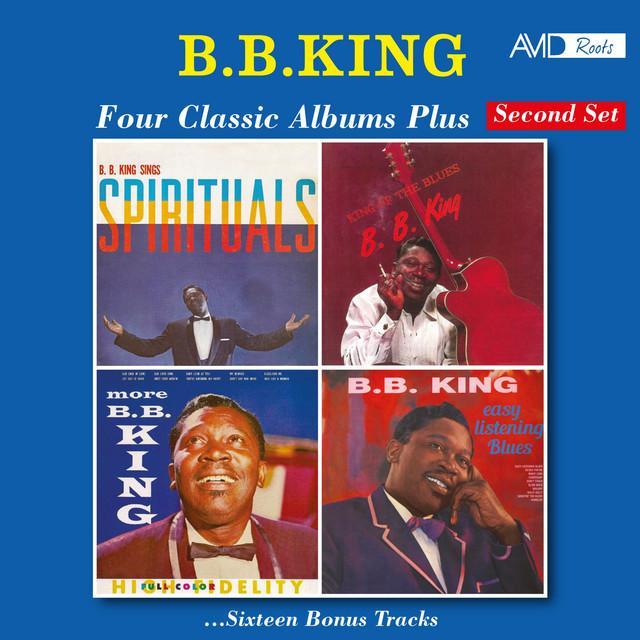
Everyday I Have the Blues by B.B. King
Why This Blues Standard Still Hits Hard
The meaning of Everyday I Have the Blues B.B. King comes down to a simple but powerful idea: they sing about heartache that has become routine. This is not a sudden breakup song. It is a portrait of pain that has settled into daily life, so fully that sadness feels like the weather.
"Everyday I Have the Blues" - B.B. King
Everyday, everyday I have the blues
When you see me worried, baby
Loading lyrics...
Unable to load lyrics
We're unable to display the lyrics at this time. Please try again later.
That is why the title line matters so much. When the singer repeats everyday I have the blues
, they are not being dramatic. They are saying misery has become normal. In blues music, that kind of plain truth often hits harder than fancy poetry.
B.B. King did not write the song, but their version helped define it. The song traces back to earlier versions and was reshaped by Memphis Slim before King recorded the 1955 hit that later appeared on Singin' the Blues. According to song history collected by Wikipedia, King's recording reached No. 8 on the R&B chart and became one of the signature songs of their career.
Watch the official Everyday I Have the Blues
music video
The Core Story Beneath the Hook
At its center, the song tells a small emotional story in three steps:
- They confess constant sadness.
- They connect that sadness to fear of losing someone.
- They decide they may need to leave.
That structure gives the song movement. It begins in pain, deepens into loneliness, and ends with a hard choice. Even though the words are direct, the emotional path is rich.
Early in the song, the singer explains that worry comes from attachment. The phrase hate to lose
shows that the blues here are tied to love, not just bad luck. This is important: the song is not only about feeling low. It is about what happens when love makes a person vulnerable.
Loneliness, Bad Luck, and Pride
The middle verse widens the focus. The singer says nobody seems to care
, which turns private heartbreak into social isolation. They do not just feel unloved by one person. They feel abandoned by the world around them.
Then the song adds another layer with bad luck and trouble
. That phrase places the personal crisis inside a longer history of struggle. In blues tradition, hard times are rarely one event. They pile up. Love problems, money trouble, loneliness, and plain bad fortune all blur together.
Interpretation: This is one reason the song feels so universal. Almost anyone can hear their own rough season in it. The lyrics are specific enough to feel real, but open enough to hold many kinds of pain.
The Turning Point Is Leaving
The final verse changes the mood from complaint to action. The singer plans to pack my suitcase
and move on down the line
. That image matters in blues history. Travel often stands for survival. When staying hurts too much, motion becomes self-respect.
Here is the song's one brief multi-line moment worth noting:
pack my suitcase
move on down the line
where nobody is worried
and nobody is crying
Paraphrased, the singer imagines a place free from emotional damage. Whether that place is real is another question. In many blues songs, leaving is both practical and symbolic. It means escaping pain, but it also means admitting that home no longer feels safe.
Interpretation: The ending can be heard in two ways. It may be a real decision to walk away from a failing relationship. Or it may be a fantasy of peace, a dream of somewhere untouched by sorrow.
How B.B. King's Performance Shapes the Meaning
King's version works because the sound balances sadness with control. The song is built on a twelve-bar blues form, but it does not rush. It has a relaxed, swinging feel that keeps the hurt from turning into self-pity.
That balance was not accidental. King praised arranger Maxwell Davis for giving the song a "crisp and relaxed sound," a comment preserved in David McGee's biography and summarized in the historical record. That phrase helps explain why the record feels so effective: the arrangement lets the sorrow breathe.
The horns add polish and urban elegance, while the guitar lines answer the vocal almost like a second voice. Instead of overwhelming the lyric, the band frames it. The result is a song about distress that still sounds poised.
There is also a technical detail that matters. Joe Bihari later said B.B. King's guitar was run straight into the board, giving it a slightly different tone than a standard mic-on-amp setup. That cleaner edge supports the song's emotional style. The pain sounds sharp, but never messy.
Why This Version Became the Famous One
Many artists recorded this song before and after B.B. King. Memphis Slim's rewrite helped turn it into a standard, and Lowell Fulson and Joe Williams had major versions too. But King's take became especially durable because it joined three things at once:
- everyday language n- a band arrangement with swing and space
- a vocal style that sounded wounded but dignified
That last point is key. They do not beg. They testify. The singer admits suffering, yet keeps their pride. That emotional mix is central to B.B. King's art.
The song's long afterlife proves it. King's version later earned a Grammy Hall of Fame honor, and the Blues Foundation inducted it into its Hall of Fame as a "Classic of Blues Recording." Those honors do not change the meaning, but they do confirm how fully this recording captured a core blues feeling.
The Lasting Meaning of "Everyday I Have the Blues"
So what is the meaning of Everyday I Have the Blues B.B. King? It is about living with sorrow so often that it becomes part of daily identity, then trying to reclaim dignity by moving on.
The song turns heartbreak into ritual, and ritual into music people can share. That is why it lasts. It says sadness is common, loneliness is real, and leaving can be an act of self-preservation.
That reading is an interpretation based on the lyrics, performance, and known history of the recording. Like all song meaning work, it is one informed way of hearing the song, not the only one.







