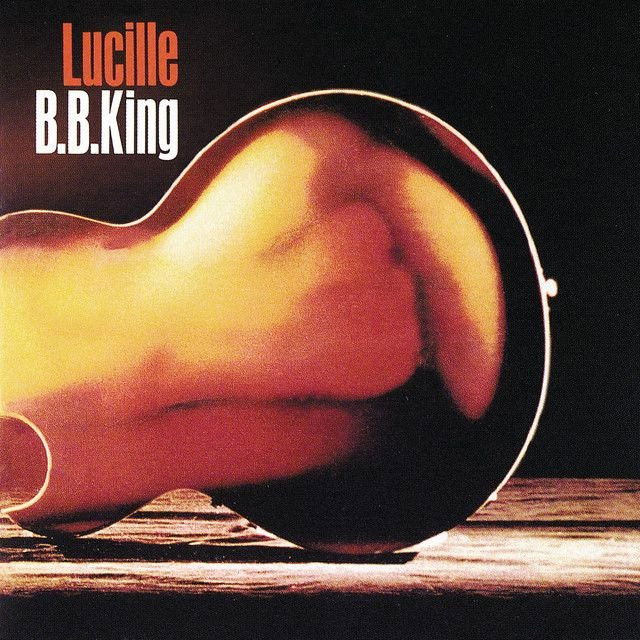
Why B.B. King's 'Lucille' Means More Than a Guitar
When people search for the meaning of Lucille B.B. King, they often expect a simple answer: it is a song about his guitar. That is true, but it is only the first layer. "Lucille" is really about how an instrument becomes a witness, a partner, and even a lifeline.
"Lucille" - B.B. King
Is from my guitar that's named Lucille
I'm very crazy about Lucille, Lucille took me from the plantation
Loading lyrics...
Unable to load lyrics
We're unable to display the lyrics at this time. Please try again later.
In this spoken-blues performance, B.B. King does not just praise a favorite guitar. They turn Lucille into a symbol of survival and self-expression. The song explains where the name came from, why the guitar matters, and how the blues gave him a voice when ordinary speech was not enough.
The Heart of the Song: A Love Letter to Survival
At the most direct level, the song is B.B. King talking to the audience about the guitar he named Lucille. He says the sound they hear comes from a guitar that helped carry him from hardship to fame. When he mentions being taken from the plantation
, he points to a real history of poverty and racial struggle in the American South.
That line matters because it makes Lucille more than a prop. The guitar stands for mobility, work, and escape. In his telling, music did not erase pain, but it gave shape to a new life.
Interpretation: Lucille represents both a literal instrument and a bridge between suffering and dignity. The song suggests that the blues is not just something he plays. It is the language that made survival possible.

Watch the official Lucille
music video
How the Story Unfolds on Stage
Unlike many blues songs, "Lucille" works almost like a monologue. B.B. King speaks casually, then lets the guitar answer. That structure is the point.
A quick timeline of the song
- They introduce Lucille as the source of the music.
- They explain how the guitar helped shape a career in blues.
- They describe loneliness, heartbreak, and hard times.
- They let the instrument "speak" through short guitar bursts.
- They tell the fire story behind the name Lucille.
This order matters. The song first builds emotion, then delivers the famous origin story. By the time listeners hear why the guitar is called Lucille, they already understand that it carries memory.
When Lucille “Talks,” the Blues Says What Words Cannot
One of the strongest ideas in the song is that the guitar can express feelings he cannot easily say aloud. He admits that sometimes he is lonely, worn down, or unable to speak clearly. Then he picks up Lucille, and the guitar produces funny sounds
that somehow tell the truth.
That is a classic blues idea: pain becomes sound before it becomes explanation. He even says Lucille will not play anything but the blues
, which turns the guitar into a character with its own will.
Sing, Lucille
One more, Lucille
Those brief calls show the relationship at the center of the song. He is bandleader, storyteller, and fan at the same time. Lucille is treated almost like a duet partner.
The Fire Story and the Name Behind It
The best-known part of the song is the story of how the guitar got its name. B.B. King recounts a night in Twist, Arkansas, where a fight led to a fire in a dance hall heated by a kerosene barrel. He ran back inside to save his guitar, then later learned the woman connected to the fight was named Lucille. He decided to name the guitar after her as a reminder never to risk his life that way again.
That account matches the widely repeated history of Lucille, including the summary collected in the Lucille story and later retellings such as a Rolling Stone feature. The event is usually dated to 1949.
This backstory gives the song its emotional force. Lucille is not named out of romance. The name comes from danger, regret, and memory. That irony is pure blues.
Sound, Style, and Why the Performance Feels Intimate
The meaning of Lucille B.B. King also comes through the performance style. This is not a polished pop narrative with a neat chorus. It feels loose, warm, and conversational, as if listeners are hearing a master explain his art in real time.
The guitar answers his speech with stinging fills, bent notes, and vocal-like phrasing. That matters because B.B. King's lead style often sounds like crying, pleading, or laughing without words. In the song, he even hints that sometimes the instrument sounds like it is weeping.
Interpretation: The performance blurs the line between speaking and playing so listeners can feel that Lucille is part of his inner voice. The production is spare enough to keep attention on that exchange.
A Portrait of Identity, Not Just Equipment
There is also a deeper layer in how he compares himself to singers from other styles. He admires stars like Frank Sinatra and Sammy Davis Jr., yet says his path is different because Lucille belongs to the blues. This is not insecurity. It is self-definition.
By naming influences while returning to his own sound, he frames blues as a chosen identity. Lucille becomes the tool that keeps him honest. The guitar does not let him drift from what he is meant to say.
Why the Song Still Connects
What makes "Lucille" last is its human scale. It is about fame, but it is also about loneliness. It is about a famous guitar, but also about the need for something steady when life goes wrong.
For many listeners, that is the real meaning: Lucille is the name B.B. King gave to the thing that stayed with him, saved him, and spoke for him. That is why the song feels so personal and so universal at once.
Final takeaway
The meaning of Lucille B.B. King is bigger than a guitar story. It is about turning hardship into sound, and sound into identity.
Disclaimer: This interpretation separates documented facts from informed reading, and songs can hold different meanings for different listeners.







