Why "Feel It in the Air" Still Feels So Unsettling
The meaning of Feel It In The Air Beanie Sigel, Melissa Jay comes down to one powerful idea: living in a state of warning. The song is not just about fear. It is about instinct, survival, and the stress of feeling danger before it fully shows itself.
"Feel It In The Air" - Beanie Sigel, Melissa Jay
My Spidey-Senses is tinglin'
(Feel somethin') Got my radars up
Loading lyrics...
Unable to load lyrics
We're unable to display the lyrics at this time. Please try again later.
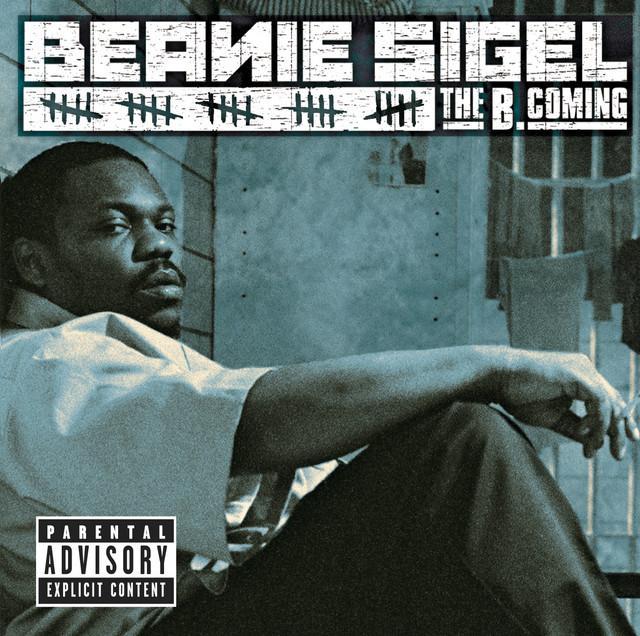
Released on Beanie Sigel's 2005 album The B. Coming, the track arrived during a tense period in his career and life, which helps explain its heavy mood and inward focus. Factually, the song is tied to that album era and is widely recognized as one of Sigel's signature records. Melissa Jay's chorus gives the track its ghostly emotional center, turning a street-rap narrative into something almost spiritual.
A Song About Intuition, Not Panic
At the heart of the song, they present a narrator who trusts their gut more than appearances. Early lines suggest that something feels wrong even when there is no visible proof. When Sigel says My Spidey-Senses is tinglin'
, he frames his instinct almost like a superpower, but the tone is not playful. It feels exhausting.
That matters because the song never sounds reckless. They are not bragging about chaos. They are explaining what it means to move through the world as if betrayal, violence, and loss are always nearby. The repeated hook, I can feel it in the air
, turns a private suspicion into a whole atmosphere. Danger is not in one place; it seems to be everywhere.

Watch the official Feel It In The Air
music video
The Narrator Reads People Like Warning Signs
One of the strongest themes is distrust. Sigel keeps returning to body language, facial expression, and tone of voice. He suggests that people reveal themselves in small ways before they act. The line about a handshake not matching a smile captures that perfectly without needing much explanation.
This is where the song becomes more than a crime narrative. It is really about hypervigilance. They watch, listen, and analyze because they believe survival depends on noticing tiny changes. In plain terms, the song says that fake loyalty can be more dangerous than open conflict.
A Brief Lyric Snapshot
The chorus sums up the song's emotional weather better than any verse:
I can feel it in the air
I can hear it in your voice
These lines are simple, but they do a lot. They suggest that intuition is not abstract. It comes through sound, mood, and human behavior.
What the Verses Are Really Doing
The verses move like someone scanning a room. Sigel shifts from inner thoughts to practical caution, then back again. He describes isolation, weapons, mental strain, and suspicion, but these details are not there for shock value alone. They build a portrait of a person who feels hunted.
In one section, they sit alone and prepare for the worst. In another, they think about tightening their circle and studying others carefully. By the final verse, the fear becomes larger than street tension. It starts to sound existential, even spiritual, with references to death, judgment, and karma.
That widening scope is key to the meaning. The song begins with a bad feeling about people and ends with anxiety about fate itself. When Sigel mentions grim reaper floatin'
, the mood shifts from suspicion to mortality. The enemy is no longer just a rival or traitor. It is also the constant possibility that life can turn without warning.
Melissa Jay's Hook Makes the Fear Feel Universal
Melissa Jay's chorus is crucial. Her voice is smooth, but not comforting. Instead, it sounds distant and haunted, as if the feeling Sigel describes has already spread beyond him. The hook keeps returning like a thought they cannot shut off.
That repetition gives the song its staying power. A lesser chorus might have explained too much. This one does the opposite. It leaves room for dread. Because the words are so open, listeners can map their own anxiety onto them, whether they hear the song as street paranoia, trauma, or general emotional unease.
How the Production Carries the Meaning
The beat is one reason the song has lasted. It moves slowly and leaves space around the vocal, which makes every warning sound heavier. The instrumental feels cold, shadowy, and suspended, as if the track itself is holding its breath.
Interpretation: the production mirrors intuition. It never rushes to a climax. It just hangs there, creating the same uneasy feeling as the lyrics. Melissa Jay's melodic refrain softens the edges, but it also deepens the sense of distance. Instead of grounding the song, she makes it feel more dreamlike.
Sigel's delivery matters too. They rap with control, not frenzy. That choice is important because it tells the listener this is not a breakdown. It is a clear-eyed report from someone who has learned to live cautiously.
Two Strong Readings of the Song
There are at least two believable ways to hear it:
- Street-survival reading: The song is about sensing betrayal, violence, and police or rival pressure before it arrives.
- Psychological reading: The song captures long-term anxiety, where instinct becomes both a shield and a burden.
Both fit the lyrics. When Sigel says still cautious
, it sounds practical in one reading and emotionally draining in the other.
Why the Song Still Connects
The meaning of Feel It In The Air Beanie Sigel, Melissa Jay still hits because it speaks to a common human experience: knowing something is off before they can prove it. The song puts that feeling into hard, vivid language.
It also stands out because it does not offer easy relief. There is no clean ending, no full escape, and no simple lesson. Instead, they leave the listener inside a mindset where awareness is necessary but peace is hard to find.
That is why the track continues to resonate. It is a rap song about danger, but it is also a song about intuition becoming identity.
Disclaimer: This article offers interpretation based on the lyrics, performance, and known song context. Meanings can vary from listener to listener.








