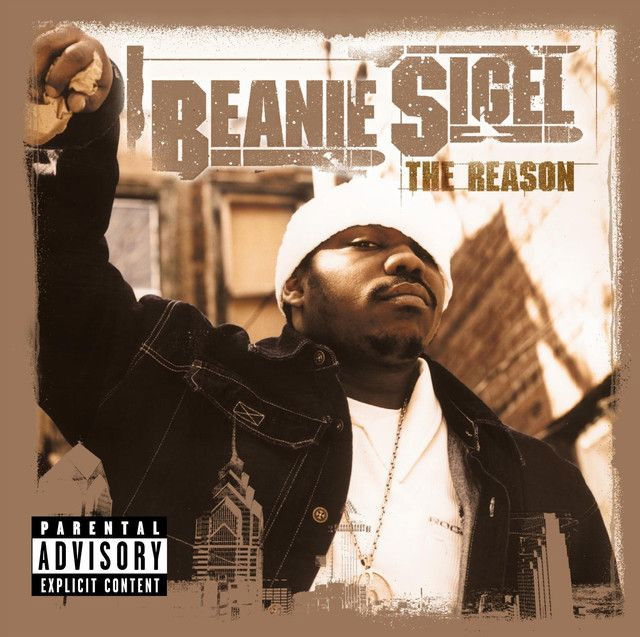
What Your Life Like 2 by Beanie Sigel
The meaning of What Your Life Like 2 Beanie Sigel centers on prison as a mental, physical, and emotional trap. Beanie Sigel does not treat incarceration like a badge of honor here. Instead, they paint it as boredom, fear, rage, isolation, and the slow loss of control.
"What Your Life Like 2" - Beanie Sigel
But at the end, I ain't seen lots of pots of gold
I seen a long cell block, the box, the hold
Loading lyrics...
Unable to load lyrics
We're unable to display the lyrics at this time. Please try again later.
This song works because it feels lived-in. The details are sharp, the scenes are ugly, and the hook keeps asking a simple question: what does that life actually feel like? Rather than glamorizing crime, the track pulls listeners into the consequences that come after it.
The Core Message Hiding in Plain Sight
At its heart, the song is about what happens when street life leads to confinement. The verses move from early disillusionment to prison routine to the moment of arrest, showing that the road they saw as a child did not lead to reward. It led to cages, paperwork, betrayal, and lost time.
That is why the recurring question matters so much. When the hook asks what your life like
, it is not a flex. It is an interrogation. The song asks whether anyone chasing fast money has really imagined the bed, the cell, the missing letters, and the people outside moving on without them.
Interpretation: the title sounds conversational, but the song itself feels like a warning. Beanie Sigel seems less interested in toughness than in stripping away illusions.

Watch the official What Your Life Like 2
music video
How the Verses Build a Prison Story
The first verse starts with childhood awareness and quickly turns dark. They realize life is a road, but not one lined with reward. Instead of fantasy, they see a cell block and rotten souls
. That phrase matters because it shows prison as a place of moral damage as well as physical confinement.
From there, the imagery gets more intense. The narrator thinks about escape, revenge, and daily survival. References to prison films and TV make the setting feel familiar to listeners, but they are used to show desperation, not coolness. The character is not dreaming big. They are thinking minute by minute.
The second verse shifts to one of the song's most painful ideas: neglect. The line about getting no mail turns prison into emotional abandonment. Money matters less than contact. Shoes, socks, photos, and letters become symbols of human connection. Without them, the sentence feels even longer.
Why the Hook Hurts More Than It Shouts
The chorus is the emotional center of the track. It keeps returning to basic needs: sleep, food, communication, and the will to keep going. When they ask about livin in hell
, the phrase is blunt on purpose. Prison is not described as an adventure. It is described as a daily grind that can make someone wanna quit life
.
Do you even sleep right? Tell me what that life like?
That brief passage sums up the song's method. Instead of abstract politics, it uses body-level questions. Can they sleep? Can they eat? Can they hold onto their mind? The hook turns suffering into something immediate and easy to picture.
Betrayal, Arrest, and the Collapse of Control
The third verse widens the frame. It is no longer just about being inside; it is about how someone gets there. Beanie Sigel walks through the shock of a raid, the confusion of waking up to law enforcement, and the horror of learning that trusted people informed.
The betrayal is crucial to the song's meaning. This is not only a prison record. It is a record about the false stability of street systems. Business partners, clients, and friends can flip under pressure. A career built on risk can fall apart in one morning.
Interpretation: this section makes the song feel like a cautionary narrative. The fear is not only the sentence. The fear is that the whole life before prison was more fragile than it looked.
Sound, Delivery, and Why the Track Feels Heavy
Even without a flashy chorus melody, the song lands hard because of its production style and vocal approach. The beat sits in a grim East Coast rap lane: tense drums, dark mood, and enough space for the voice to carry the story. That stripped-down feel supports the writing. A brighter beat would weaken the message.
Beanie Sigel's delivery is just as important. They rap with force, but the force is controlled. The voice sounds tired, angry, and alert at once. That balance gives the song authority. It feels less like acting and more like testimony.
This fits Beanie Sigel's broader career. They became known in the Roc-A-Fella era for dense street narratives and a blunt Philadelphia realism, as documented in major music references and artist histories such as AllMusic and Encyclopaedia Britannica, which notes the wider Roc-A-Fella context around artists in that circle.
Artist Context Helps Explain the Song's Weight
Beanie Sigel built a reputation on credibility and stark detail, especially in the early 2000s. Songs like this fit that image because they focus on consequences rather than fantasy. The writing credits provided for this track list A. Costandinos, D. Grant, J. Smith, and M. Jouveaux, pointing to a composition shaped by both rap writing and underlying musical source material.
For listeners, the impact comes from that mix of realism and structure. The song is vivid enough to feel personal, but crafted enough to feel like more than a diary entry. That helps explain why its reception among rap fans has lasted: it speaks to prison not as myth, but as pressure.
Final Read on the Meaning
The meaning of What Your Life Like 2 Beanie Sigel is ultimately about consequences made human. It shows prison as loneliness, routine, paranoia, and regret, while also showing how quickly street life can collapse into that reality.
More than anything, the song asks listeners to look past image. Behind the pose is a bunk, a missing letter, a raid at dawn, and a future narrowed down to survival. That is what gives the track its power.
Disclaimer: This article offers an interpretation of the song based on its lyrics, performance, and available context. Different listeners may hear its meaning differently.







